
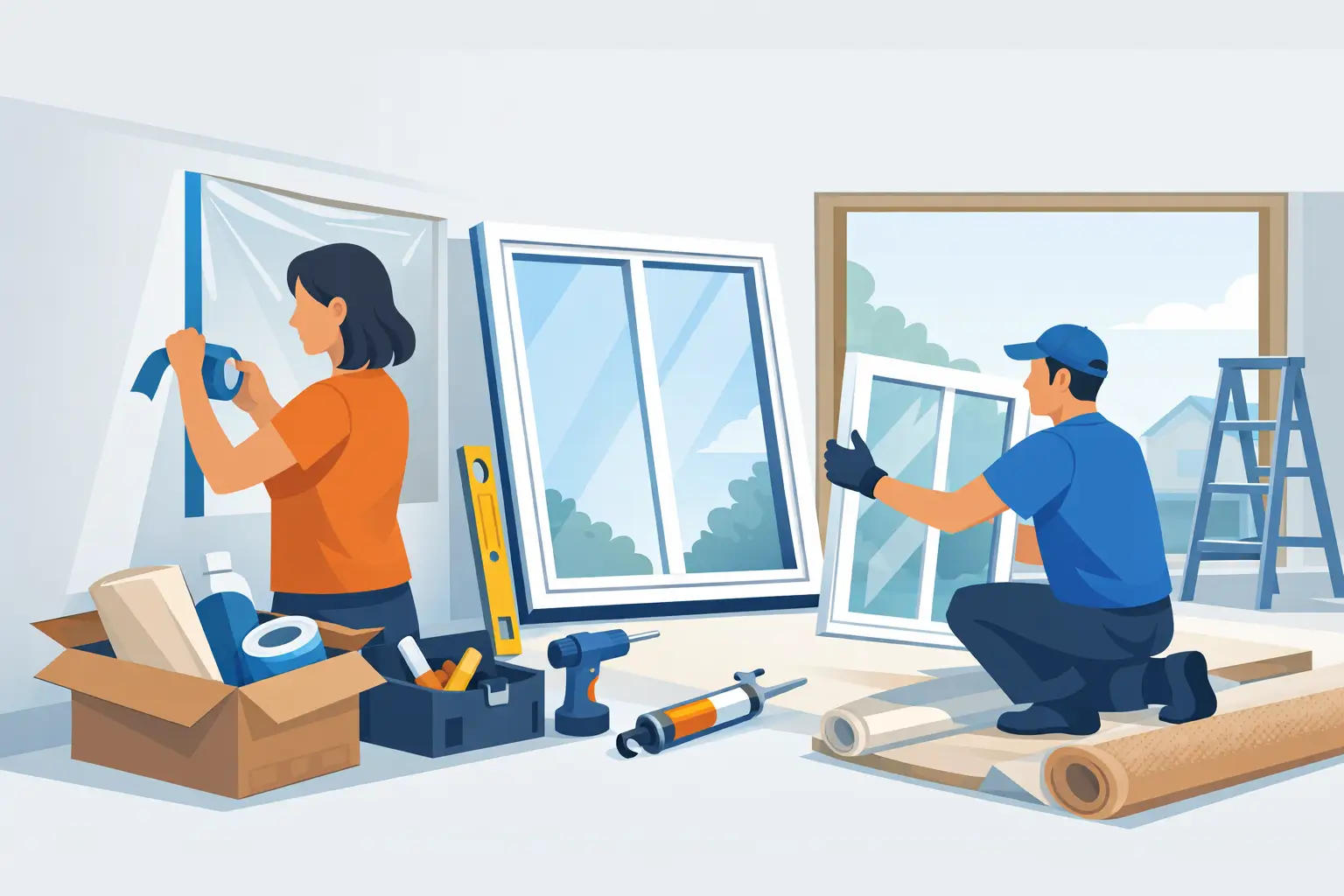
The day before new windows go in is usually when the questions start. Do you need to move furniture? Will there be dust? Should you take down blinds yourself, or leave everything for the crew? If you are wondering how to prepare for window installation, the good news is that most of the work is simple. A little planning makes the installation faster, safer, and much less stressful.
For homeowners, preparation is really about protecting your space and removing avoidable delays. For the installer, it means being able to access each opening, work efficiently, and complete a proper seal in changing weather conditions. When both sides are ready, the project tends to stay on schedule and the finished result is cleaner.
Why preparation matters before installation day
Window replacement is not just a product delivery. It is a construction job happening inside and outside your home. Installers need room to remove the old unit, inspect the opening, place and level the new window, insulate it correctly, and finish the interior and exterior trim details.
If the work area is crowded or blocked, the process slows down. That can add time to the job, and in some cases it can affect comfort inside the home, especially in cold or wet weather. Proper preparation helps avoid rushed decisions, accidental damage to nearby items, and the frustration that comes from trying to clear space while the crew is already at the door.
How to prepare for window installation inside your home
Start with access. Move furniture, plants, lamps, and decor away from every window being replaced. A good rule is to clear at least a few feet around each opening so installers can work safely and carry materials in and out without squeezing past fragile items.
Window treatments should also come down ahead of time unless your installer has told you otherwise. Remove blinds, curtains, drapes, and any hardware that could interfere with the opening. If you have alarm contacts, security sensors, or smart devices attached near the frame, mention them before installation day so there are no surprises.
Wall decor deserves attention too. Replacing windows creates vibration. That does not mean your house will shake, but pictures, mirrors, or shelves near the work area can shift or fall. Taking them down is a small step that protects both your belongings and the crew.
Dust control is another reason to prepare early. Even a careful installation creates some debris when old frames, trim, or caulking are removed. Cover nearby furniture if it cannot be moved. If you have rugs directly below the windows, rolling them back can make cleanup easier.
Preparing the outside of the home
Exterior access matters just as much as interior access. Installers need a clear path to each window from the outside, whether they are working at ground level or using ladders. Move patio furniture, planters, garden tools, and seasonal decorations away from the house.
Trim back shrubs or branches that block the window area. This is especially important if vegetation has grown close to the siding or over the bottom of the window. Crews need space to inspect the opening and complete exterior sealing properly. If the landscaping is tight, installers may still be able to work, but it is harder to do the job efficiently and without damaging plants.
If you have sprinklers near the foundation, consider turning them off for the installation period. Wet ground can make ladder placement less stable, and excess moisture around the work area is never ideal when sealing exterior components.
Parking is worth planning too. If possible, leave room close to the house for the installation vehicle. Window units are large, heavy, and easier to handle when the crew does not have to carry them across a full driveway or down a crowded street.
What to expect on installation day
Most homeowners are relieved once they know the rhythm of the day. The crew will usually confirm the scope of work, protect key traffic areas, and then replace windows one opening at a time. There will be noise. There may be short periods when an opening is exposed during removal and replacement. That is normal.
You do not need to hover, but you should be available in case the crew has a question. Older homes sometimes reveal hidden issues once the old window comes out, such as minor wood damage, uneven openings, or previous repairs that were not visible during measurement. A professional installer will explain what was found and what needs to happen next.
This is also why homeowners should not schedule installation on a day when no decision-maker can be reached. Most jobs go exactly as planned, but when adjustments are needed, quick communication helps keep the project moving.
Children, pets, and daily routines
One of the most overlooked parts of how to prepare for window installation is planning around the people who live in the home. Children and pets should be kept away from active work areas. Tools, removed glass, sharp trim pieces, and open window spaces are not safe for curious kids or anxious animals.
If your dog reacts strongly to strangers or noise, it may be best to arrange for them to stay in a closed room, at daycare, or with family during the installation. The same goes for pets that might try to slip outside when doors are opening and closing.
Think about your own workday as well. If you work from home, expect interruptions. Window replacement is not the loudest type of renovation, but it is not quiet either. If you have calls or meetings, plan to use a room far from the active work zone if possible.
Temperature, weather, and seasonal timing
In colder climates, homeowners often worry about replacing windows in winter. It is a fair concern, but professional crews are used to working in changing conditions. Openings are handled one at a time to limit heat loss, and the installation process is designed to move efficiently.
That said, seasonal conditions affect preparation. In winter, clear snow and ice from walkways, porches, and exterior work areas before the crew arrives. In wet weather, make sure entry routes inside the home are clear so protective coverings can be placed where needed. In summer, if a room gets direct sun, you may want to lower the thermostat expectation for that part of the day because windows being replaced will temporarily affect comfort.
The main point is not to wait for perfect weather. It is to work with an installer who plans for local conditions and installs to the right standard.
Questions to confirm before the crew arrives
A smooth project depends on more than clearing space. It also helps to confirm the practical details in advance. Ask what time the crew expects to arrive, how long the job is likely to take, whether someone needs to be home the full time, and what level of cleanup is included.
You should also know whether interior touch-up work is part of the scope, how old materials will be removed, and what to expect if hidden damage is found. Transparent contractors answer these questions before the project starts, not after the invoice is issued.
This is where experience matters. A company that handles the process from measurement through installation tends to identify potential issues earlier and communicate more clearly about what happens on site. That reduces the risk of delays, surprise charges, and rushed workmanship.
A simple checklist for homeowners
If you want a practical way to prepare without overthinking it, focus on seven things: clear the area around each window, remove blinds and curtains, take down nearby wall decor, protect items from dust, create exterior access, make a plan for pets and children, and confirm arrival details with your installer.
That is enough for most homes. You do not need to turn the house upside down. You just need to give the crew safe access and protect the items you care about.
After the installation is finished
Preparation does not end the moment the last window goes in. Before the crew leaves, walk through the completed work. Open and close each window, ask about lock operation, and make sure you understand any care instructions for new materials, hardware, or glass.
A reputable installer will explain what was done, point out any finishing details, and tell you what to expect next if there is any follow-up work. If you worked with a service-focused company like ProPlas, this part should feel organized, not rushed.
The best window projects feel uneventful for a reason. Good preparation removes friction, supports quality workmanship, and gives you confidence that the job is being handled properly from the first appointment to the final check. If you are getting ready for installation, focus on access, safety, and communication. Those three things do more than make the day easier – they help protect the investment you are making in your home.