
Vinyl window style
Picture Windows
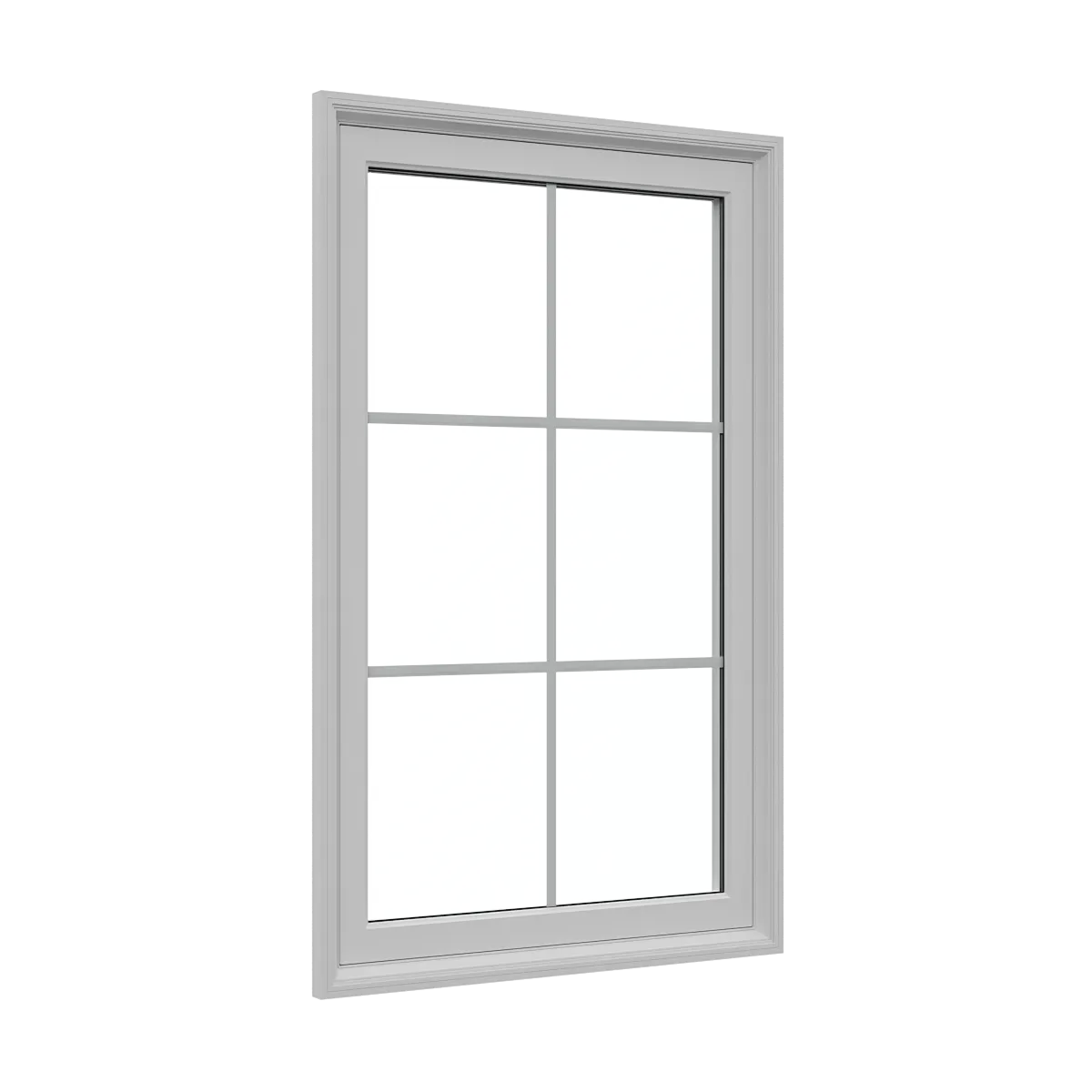
Picture windows use a fixed glazed area and a comparatively simple frame profile to prioritize daylight, outward views and clean combinations with operable windows.
- Operation
- Fixed, non-operating glazed unit
- Opening direction
- Fixed, non-operating
- Ventilation
- No opening ventilation.
How it works
How picture windows work
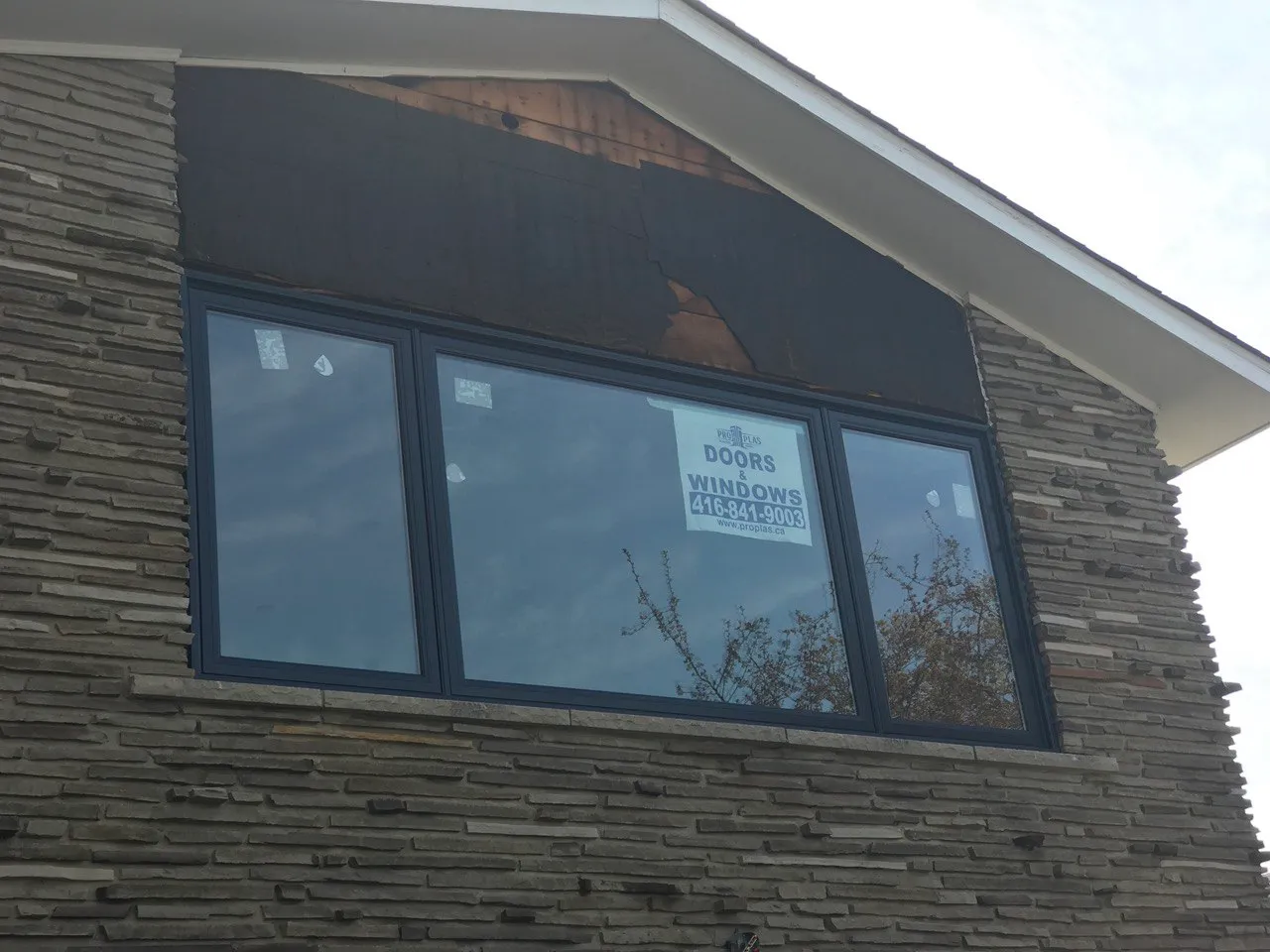
A picture window has no moving sash or operating hardware. The glass remains fixed in the frame, creating a stable view while ventilation must come from another opening.
No operating hardware
There are no hinges, tracks or operators because the window remains closed.
Simple fixed profile
The frame can be slimmer and simpler than the sash-like profile of a fixed casement window.
View and daylight role
The style is considered where the glazed area and outward view are central to the opening.
Combination potential
Operable windows can be positioned beside or around a picture window when both a view and ventilation are needed.
At a glance
Why homeowners consider picture windows
The operating style affects ventilation, sightlines, clearance and how the window fits the room.
Fixed view without operating hardware
Simple sightline potential
Supports larger areas of daylight
Works as a visual centre in combinations
Pairs with operable side units
Best uses
Where picture windows can work well
Think about reach, furniture, outdoor walkways and the amount of ventilation each room needs.
Exterior cleaning access should be considered before placing fixed glazing on an upper floor or above another structure.
- Openings that frame a view
- Rooms needing more daylight
- Large fixed glazed areas
- Combinations with operable windows
- Areas where ventilation is available elsewhere
Important considerations
When another style may suit the opening better
Picture Windows do not provide ventilation, so another window may need to open nearby.
Compare Window StylesDoes not open or provide ventilation.
Another operable window may be needed where airflow is important.
Exterior cleaning can be difficult in upper or obstructed placements.
Large sizes and combinations need measurement and structural review.
A picture-window profile may not visually match an adjacent casement sash as closely as fixed casement.
Frame and glass construction
Understand the complete window assembly
The vinyl frame, sealed glass unit, operating hardware, screens and weather seals work as one system. The final quote should identify the proposed window and glass package.
Vinyl frame and sash
The frame supports the glass, hardware, screen and weather seals. Profile depth, internal construction and visible frame width vary by window model, so compare the complete proposed unit rather than material alone.
Sealed glass unit
Double- and triple-pane units are assembled as sealed packages. Panes, coatings, spacer, gas fill and edge seals work together and should be specified as one glass package.
Hardware, screens and seals
Operators, locks, balances, rollers, screens and weather seals depend on how the window opens. Review reach, cleaning access and replacement-part availability for the selected model.
Window options
Options that shape the finished window
Glass, frame colour, grilles and trim all affect the appearance and function of the finished opening.
01
Glass and glazing
Compare pane configurations and glass coatings available for this window style.
- Double-pane glazingTwo sheets of glass are sealed around a spacer, creating an insulating space between them.
- Triple-pane glazingThree sheets of glass create two sealed insulating spaces. Compare the added weight, cost, and comfort benefits for your home.
- Clear and Low-E glassClear glass provides an untreated view. Low-E glass adds a nearly invisible coating that helps control heat transfer while allowing daylight through; available coatings depend on the glass package.
- Warm-edge spacers and edge sealsThe spacer holds the panes apart around the edge of the sealed glass unit. Warm-edge spacer materials are intended to reduce heat transfer at that edge, while the complete edge-seal construction helps keep the unit sealed.
- Insulating gas fillsSome sealed glass units replace ordinary air between the panes with an insulating gas. The proposal should identify the glass package and fill actually included.
02
Colours and grilles
Choose a frame colour and grille pattern that work with the window and the room.
- Colours and finishesChoose frame colours and finishes for the interior, exterior, or both sides of the window. Solid colours, painted finishes and wood-look choices vary by window system.
- Grille styles and patternsDecorative grille patterns create the look of divided panes without changing how the window opens. Pattern, bar profile, colour and placement are separate choices.
03
Opening finishes
Plan the jambs, casing and exterior trim needed to finish the opening.
- Interior trim and casingInterior casing is the visible trim that covers the joint between the window and the finished wall. Profiles and decorative corner blocks or rosettes may be available with selected finishing packages.
- Jambs and extensionsJamb extensions finish the sides, top, and bottom of a deeper window opening. The required depth is measured for the wall and interior finish at each opening.
- BrickmouldBrickmould is exterior trim that frames the window and covers the joint beside brick or siding. Profile and colour are coordinated with the installation method and exterior finish.
See the choices before they are specified
These examples show the kinds of colour, grille, casing, jamb and brickmould decisions discussed during selection. Current profiles, dimensions, patterns and colours vary by window system.
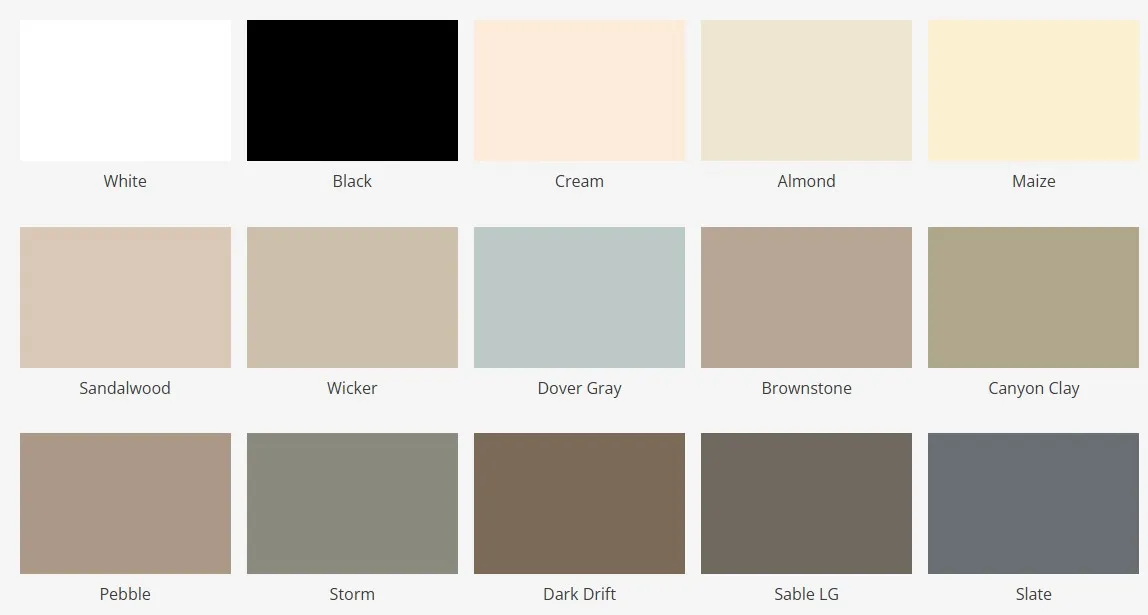
Example window-frame colours; current availability varies by product.

Example grille patterns; compatible patterns vary by window.

Example grille profiles and finishes.
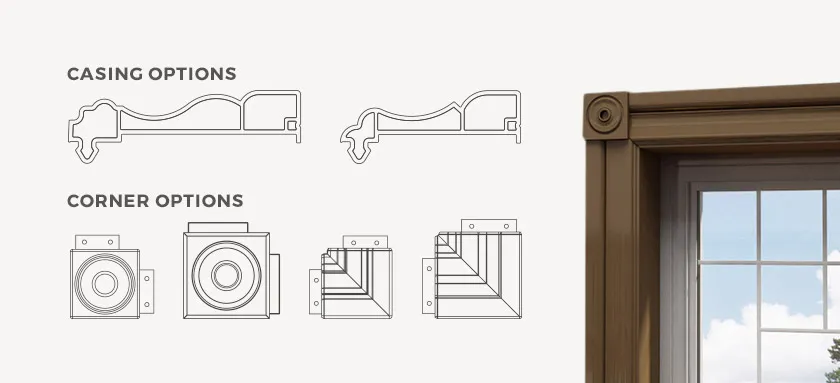
Example casing profiles and corner treatments.
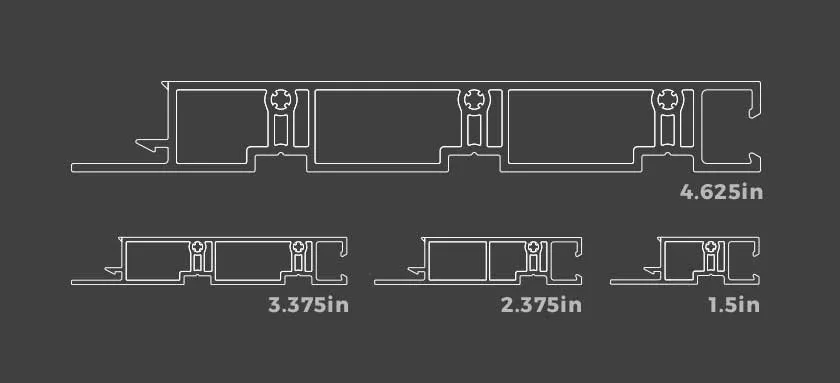
Example jamb depths; the opening determines the required size.
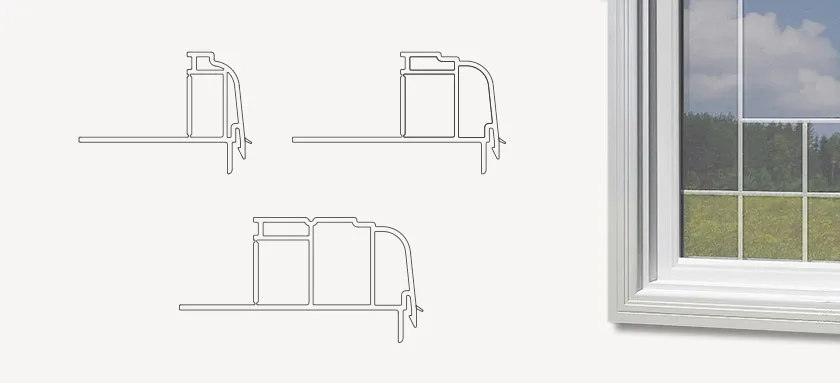
Example exterior brickmould profiles.
Installation
Match the method to the existing opening
The condition of the frame and surrounding finishes helps determine whether retrofit, brick-to-brick or stud-to-stud installation makes sense.
Retrofit installation
The replacement window fits inside sound existing frame components that remain in place.
Brick-to-brick installation
The old window and frame are removed to the rough opening before the new unit and exterior trim are installed.
Stud-to-stud installation
Interior finishes are opened far enough to expose the wall framing so the surrounding assembly can be repaired or rebuilt as needed.
Homeowner care
Condensation, airflow and routine care
Where moisture appears helps distinguish indoor-humidity conditions, outdoor condensation and a possible sealed-unit issue. Routine cleaning also helps moving parts and drainage paths work as intended.
Moisture on the room side
Room-side condensation often relates to indoor humidity, outdoor temperature and limited warm-air movement across the glass. Record when and where it appears before adjusting ventilation or humidity.
Moisture on the exterior
Exterior condensation can appear when outdoor air is humid and the outer glass surface is cool. It does not by itself indicate that water has entered the sealed unit.
Moisture between panes
Persistent fogging or moisture between panes can indicate a failed seal in the insulated glass unit and should be assessed for service.
Airflow and routine care
Keep tracks, drainage paths and hardware clean, avoid blocking airflow with heavy coverings or furniture, and operate an HRV according to its instructions when the home has one.
Our work
Picture and related window installations
Real Proplas project photography showing installed windows and related residential configurations. Exact operating styles are identified only where visually clear.
Picture questions
Common questions about picture
These answers cover the basics. We can review sizes, options and installation details for your openings.
Does a picture window open?
No. A picture window is fixed and does not provide ventilation.
What is the main purpose of a picture window?
It is considered when daylight, an outward view and a simple fixed glazed area are more important than an opening sash.
Can a picture window be combined with operable windows?
Yes. Casement, awning, hung, or slider windows can be placed beside fixed glass when the models and opening size support the combination.
What should be considered with a large picture window?
A large unit needs accurate measurements, suitable structural support, careful handling, and a plan for exterior cleaning.
Which glass choices are available for picture windows?
Pane count, Low-E coatings, spacers, and gas fills vary by window model and opening.
Explore window glass optionsHow is the window installation method chosen?
We inspect the existing frame, wall construction, and surrounding finishes before recommending retrofit, brick-to-brick, or stud-to-stud replacement.
Should I choose double- or triple-pane glazing?
Triple-pane glass adds another pane and sealed space, but it also adds weight and cost. The better choice depends on the window model, opening, room, and comfort priorities.
What can cause condensation on windows?
Room-side condensation often relates to indoor humidity and outdoor temperature. Exterior condensation can occur during weather changes. Moisture between the panes may point to a failed glass-unit seal.