
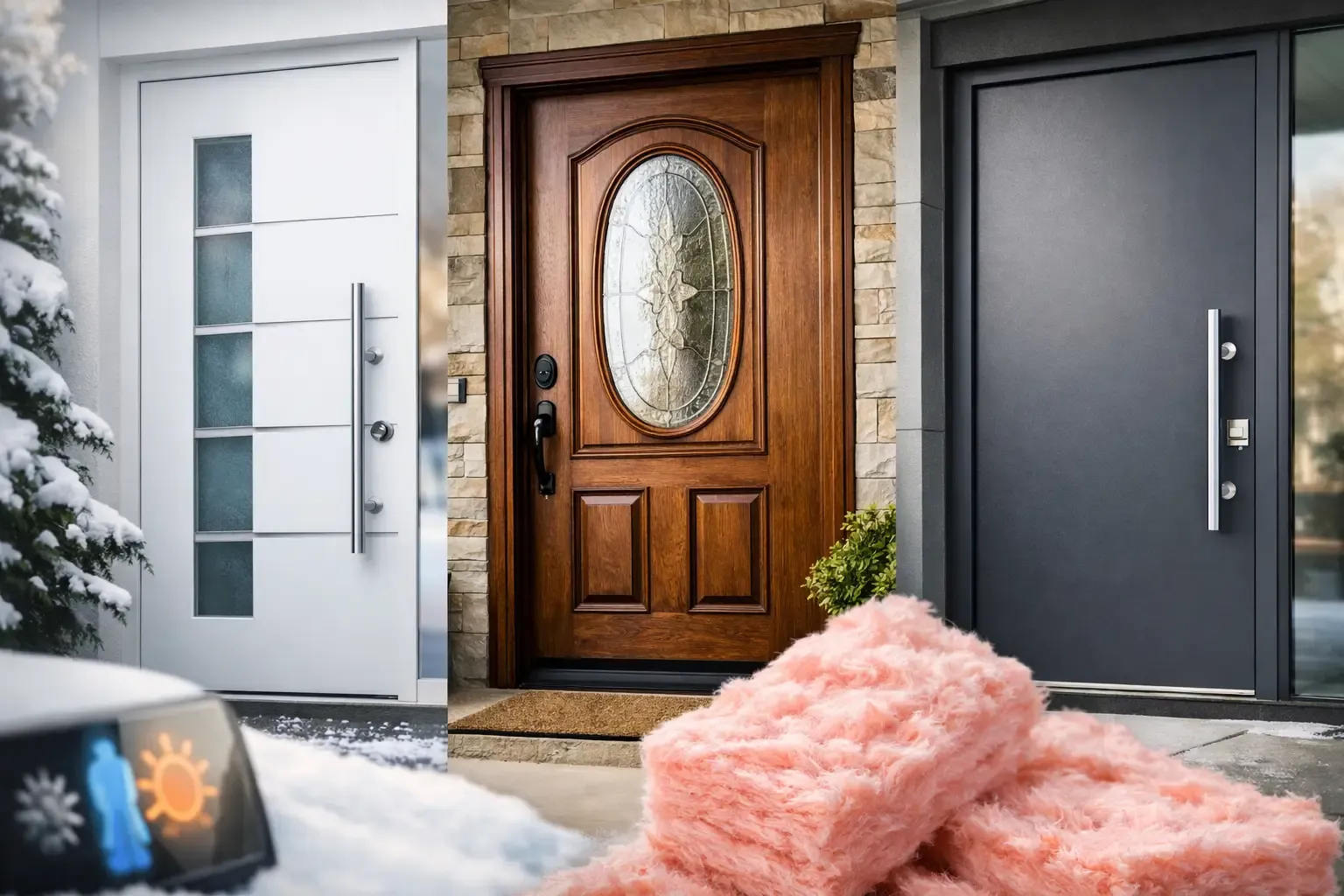
A drafty front entry is hard to ignore in a Southern Ontario winter. If you feel cold air near the threshold, notice rising heating bills, or see condensation forming around the frame, it may be time to look at the best front doors for insulation rather than just replacing weatherstripping and hoping for the best.
A well-insulated front door does more than keep the hallway warmer. It helps stabilize indoor temperatures, reduces strain on your HVAC system, and improves comfort in the rooms closest to the entrance. For many homeowners, the bigger question is not whether to upgrade, but which door material and construction will actually perform in real Canadian weather.
What makes the best front doors for insulation?
Insulation starts with the door slab, but it does not end there. The best-performing front doors combine an insulated core, durable exterior material, quality weatherstripping, a properly sealed frame, and professional installation. If one part of that system is weak, overall performance drops.
That is why comparing doors by material alone can be misleading. A high-quality fiberglass door with a poor install can underperform a well-made steel door that is fitted and sealed correctly. Homeowners often focus on the door panel because it is the visible part, but air leaks around the jamb, threshold, and glass inserts are just as important.
Energy efficiency labels can help, but they should be treated as one piece of the decision. The real-world result depends on size, exposure, opening direction, sun exposure, and how much glass is built into the design.
Fiberglass vs steel vs wood
Fiberglass is often the strongest all-around choice for insulation. Most fiberglass entry doors are built with a foam-insulated core and a surface that resists warping, shrinking, and swelling. That matters in climates with freeze-thaw cycles, moisture, and temperature swings. A good fiberglass door can offer strong thermal performance while also giving homeowners more flexibility in style, finish, and decorative glass options.
Steel doors are also among the best front doors for insulation, especially when they use a polyurethane foam core and are manufactured to high standards. They tend to be secure, durable, and cost-effective for many households. In practical terms, steel is a very strong option when the goal is to balance performance, budget, and low maintenance.
Wood doors can look beautiful, but they are usually not the best choice if insulation is the main priority. Solid wood has natural insulating value, yet wood doors are more vulnerable to expansion, contraction, and long-term maintenance issues. If the door is not maintained carefully, gaps can develop over time, and those gaps matter more than the material itself.
For most homeowners focused on comfort and efficiency, the conversation usually comes down to fiberglass versus steel. Both can work very well. The better fit depends on your design goals, exposure to the elements, and how much customization you want.
Why fiberglass often comes out ahead
Fiberglass has earned a strong reputation because it handles weather well and offers very consistent performance over time. It does not dent as easily as steel, and it typically needs less upkeep than wood. For a front entry that gets strong sun, wind-driven rain, or repeated seasonal stress, that stability can make a difference.
Another advantage is that fiberglass doors are available in a wide range of insulated designs without sacrificing curb appeal. If you want a wood-look finish but do not want the maintenance concerns of real wood, fiberglass gives you that option. It is often the best fit for homeowners who want efficiency and a more customized appearance.
That said, fiberglass usually costs more upfront than steel. For some households, that higher purchase price is justified by longevity and lower maintenance. For others, a well-made steel door is the more practical choice.
Where steel doors make sense
Steel entry doors remain a smart option for many replacement projects. They are widely available, strong, and often more affordable than fiberglass while still delivering very good insulation when built with a quality core. If your existing door is old, thin, and drafty, even a standard insulated steel replacement can feel like a major improvement.
Steel is especially attractive when homeowners want dependable performance without stretching the budget for premium finishes. It also works well in simple, clean front-entry designs where durability matters more than mimicking natural wood grain.
The trade-off is that steel can dent, and if the finish is damaged and not maintained, rust can eventually become a concern. This does not make steel a poor choice. It just means the door should match the home, the location, and the owner’s expectations.
Glass inserts can affect insulation
Many front doors include sidelites, transoms, or decorative glass panels. These features can brighten the entryway and improve the look of the home, but they also change thermal performance. In general, the more glass a front door has, the more careful you need to be about the product selection.
That does not mean you need to avoid glass. It means you should choose insulated glass units designed for energy efficiency and make sure the door system is built for your climate. A small to moderate glass insert in a well-made fiberglass or steel door can still perform well. A large decorative glass area in a lower-quality door may become a weak point.
Homeowners often assume privacy glass, designer glass, and energy-efficient glass are all the same thing. They are not. The decorative pattern affects appearance, while the glass construction affects performance.
The frame and installation matter as much as the slab
One of the most common mistakes in door replacement is assuming the new slab alone will solve drafts. In reality, the frame, threshold, and installation method often determine whether the improvement is noticeable or disappointing.
Even the best front doors for insulation will underperform if the opening is out of square, poorly shimmed, or inadequately sealed. Air leakage around the perimeter can erase the benefit of an insulated core. This is why professional measurement and installation matter so much, especially in older homes where settlement and previous repairs may have affected the opening.
A proper replacement should account for the full entry system, including frame condition, sill pan details where needed, weatherstripping quality, and finish sealing. This is where many low-price quotes fall short. The product may look similar on paper, but the workmanship behind it is not always equal.
How to choose the right insulated front door for your home
The right choice depends on how you use the home and what problems you are trying to solve. If your main issue is a cold entryway and visible air leakage, focus first on a full system replacement with strong installation standards. If you also want a major curb appeal upgrade, fiberglass may give you more design flexibility.
If budget is a bigger concern but you still want a noticeable energy-efficiency improvement, a quality steel door can be an excellent answer. If your current entry includes a lot of decorative glass and feels cold in winter, you may want to reduce the glass area or upgrade to a better insulated glass package.
It also helps to think beyond the brochure. Ask how the door is built, what kind of core it uses, whether it meets recognized energy-efficiency standards, what warranty is included, and who is responsible for installation and follow-up service. Those answers often reveal more than the material label alone.
For homeowners who want fewer surprises, working with a company that manages measurement, customization, installation, and warranty support under one process usually leads to a better result. That is especially true when replacing an entry door in an older home with non-standard dimensions or existing frame issues.
A practical recommendation for most homeowners
If you want the safest all-around answer, fiberglass is often the best long-term choice for insulation, durability, and appearance. If you want strong performance at a more accessible price point, insulated steel is hard to dismiss. Wood still has visual appeal, but it is generally a style-first decision rather than an efficiency-first one.
The bigger point is simple. The best insulated front door is not just the one with the best material. It is the one that fits your home properly, matches your climate, and is installed with care. A front door is something you use every day, and when it is chosen well, you stop noticing the cold spots, the drafts, and the constant adjustment of the thermostat. You just feel more comfortable walking through it.