
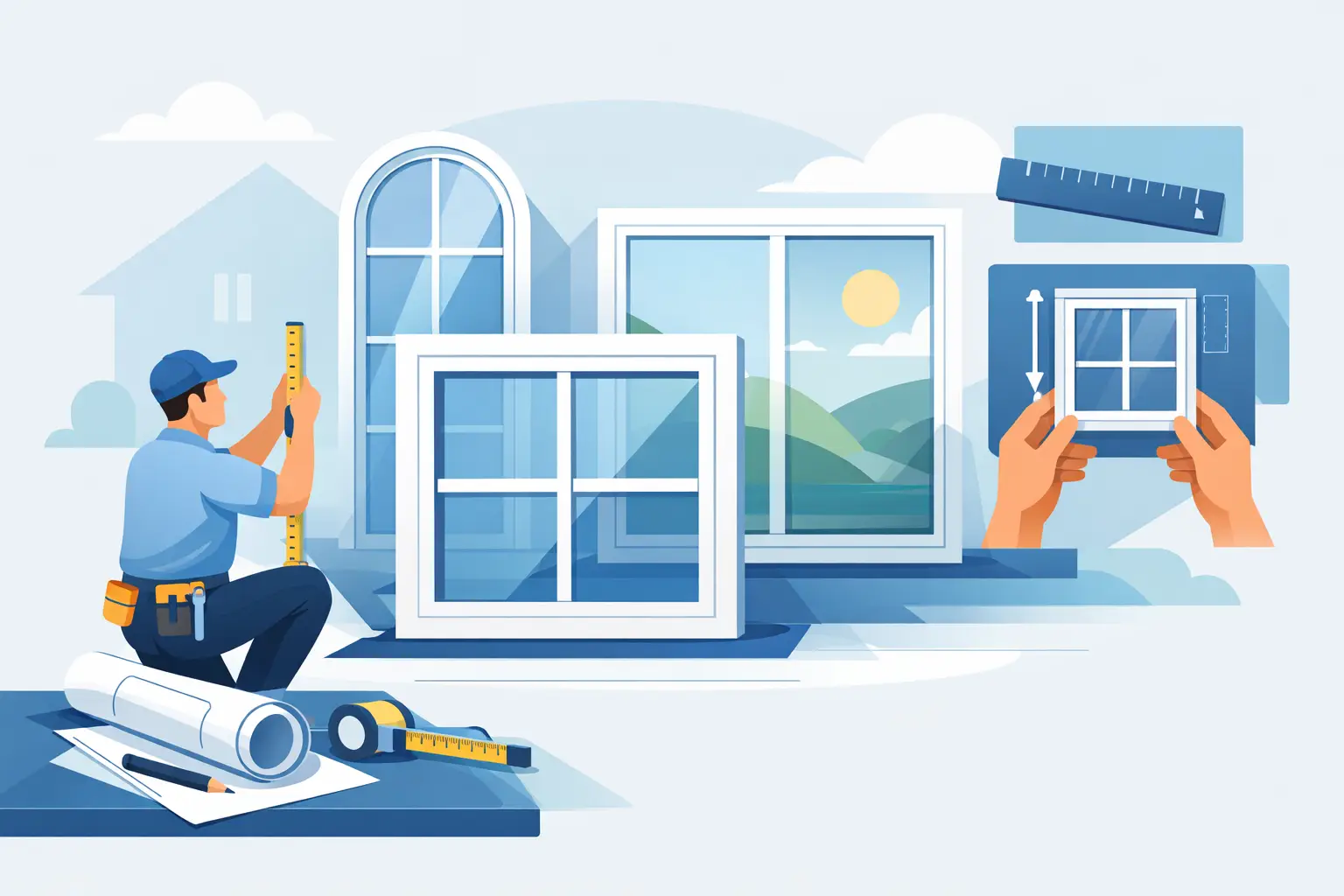
If your home has a window opening that is slightly off, noticeably aged, or simply no longer performing well, standard sizing is often where problems begin. Custom size replacement windows are built to match the real dimensions of your opening, which matters more than many homeowners expect. A close fit affects energy performance, appearance, water control, and how long the new unit will hold up in everyday use.
That detail becomes even more important in older homes, renovated properties, and houses where previous work was done inconsistently. In those cases, ordering the closest standard size can create gaps, require excessive filler, or leave you with trim work that never looks quite right. A custom-sized window is not about overcomplicating the job. It is about getting the replacement to fit the home instead of forcing the home to fit the product.
Why custom size replacement windows are often the better choice
A replacement window should solve problems, not introduce new ones. When sizing is exact, the installer has a better starting point for leveling, insulating, and sealing the unit properly. That reduces the chances of drafts, water intrusion, and premature wear around the frame.
There is also the visual side of the project. A window that is proportioned correctly sits more naturally in the opening and preserves the look of the house inside and out. Homeowners usually notice this most when replacing large picture windows, older sliders, or specialty shapes where even small dimensional compromises can be obvious.
Cost is where many people hesitate, but custom does not automatically mean unreasonable. In residential replacement work, custom sizing is often the normal path because existing openings vary from house to house. The better question is not whether custom costs more than standard in theory. It is whether paying for the right size now prevents insulation issues, trim corrections, or appearance problems later. In many cases, it does.
When standard windows fall short
Standard sizes work best in new construction or highly uniform openings. That is not how many existing homes are built, especially in neighborhoods with older housing stock or multiple renovation phases. Over time, openings shift, framing gets altered, and original dimensions stop matching what is on paper.
Sometimes the mismatch is minor, but minor does not always stay minor. A window that needs too much adjustment in the field can affect sightlines, reduce glass area, or depend too heavily on filler materials. None of that is ideal when you are investing in a long-term exterior upgrade.
Another issue is performance expectations. Homeowners replacing windows today usually want lower energy loss, better comfort, and less outside noise. Those benefits depend on more than the glass package. They also depend on a tight, accurate fit. If the frame relationship to the opening is off, the overall result can be weaker even if the product itself is high quality.
What the measuring process should look like
This is where experience matters. Measuring for custom size replacement windows is not a quick tape-measure visit followed by a guess. A proper assessment considers width, height, squareness, frame condition, exterior exposure, interior finishing, and whether the existing opening has hidden issues that could affect installation.
Good contractors measure carefully because mistakes at this stage are expensive and frustrating. If the opening is not perfectly square, the order should reflect real conditions, not ideal ones. If the existing frame has signs of moisture damage or structural movement, that should be addressed before the new unit goes in. Skipping those conversations may make the quote look simpler, but it rarely makes the project go better.
Homeowners should also expect clarity on what is being measured and why. Are you doing an insert replacement, a full-frame replacement, or something in between based on site conditions? The answer affects dimensions, product options, finish details, and labor. Transparent companies explain that upfront so there are fewer surprises later.
Choosing the right window style for a custom opening
Custom sizing is only one part of the decision. The style still has to suit the space and the way you live in it. Casement windows are popular because they seal tightly and offer strong ventilation. Sliders can work well where exterior clearance is limited. Picture windows are often chosen when the priority is glass area and natural light rather than airflow.
In some homes, the best result comes from combining styles within one opening. A large fixed center section with operating side units, for example, can balance ventilation and sightlines. Specialty shapes are another case where custom sizing becomes essential rather than optional. Arched, angled, or otherwise unique openings need precise manufacturing if you want a clean finish.
This is also where climate and product quality matter. For homeowners dealing with cold winters, hot summers, and shifting seasonal conditions, frame quality, glazing performance, and proper installation all need to work together. An Energy Star compliant product can be a strong choice, but real-world performance still depends on how well it is matched to the opening and installed on site.
Custom size replacement windows and installation quality
Even the best window can underperform if installation is rushed. That is one reason homeowners are often frustrated after buying from companies that focus heavily on the product and not enough on the execution. A custom-sized unit helps, but it does not replace skilled installation.
A dependable installation process should include careful removal of the old unit, inspection of the opening, correction of any obvious issues, proper insulation, clean exterior sealing, and finish work that looks intentional. If a contractor is vague about who installs the window, how long the job takes, or what happens if site conditions change, that is a warning sign.
The lowest quote can also become the most expensive if it leaves you with callbacks, trim problems, or water-related damage. That does not mean the highest quote is always the best either. It means homeowners should look for a company that explains scope clearly, prices transparently, and stands behind both product and labor.
For that reason, many homeowners prefer a turnkey process. Working with one accountable team for measurement, product selection, customization, installation, and warranty support tends to reduce miscommunication. It also gives you a clearer path if questions come up after the work is complete.
What affects cost and timeline
There is no single price for custom windows because several factors shape the final number. Size matters, but so do style, frame material, glass package, hardware, interior and exterior finishes, and installation complexity. A simple custom slider replacing an accessible opening is different from a large specialty shape on an upper level with trim repair and more involved finishing.
Lead time can vary for the same reasons. Custom manufacturing takes longer than pulling a standard unit from stock, and that is not necessarily a drawback. It is often the trade-off for getting a product that fits correctly and performs as intended. What homeowners should expect is a realistic schedule, not an optimistic one that keeps changing.
A trustworthy company will usually walk you through these variables before the order is placed. That conversation should cover product options, expected installation timing, what is included in the quote, and whether any site repairs could affect final scope. Honest expectations are part of good service.
How to know you are hiring the right team
Most homeowners are not worried about window terminology. They are worried about delays, hidden charges, poor workmanship, and being hard to reach once the deposit is paid. Those concerns are valid, and they are often more important than small differences in product specs.
The right contractor should be able to show a clear process from measurement to installation and after-sales support. They should answer practical questions directly. Who manufactures the windows? What warranty applies to the product and the labor? How are issues handled if they come up later? If the answers feel vague, that usually tells you something.
A company like ProPlas earns trust by making the process straightforward, not by overselling it. Homeowners want to know the measurements will be accurate, the pricing will be transparent, the installation will be done properly, and the finished window will perform well for years. That is what turns a window replacement from a stressful purchase into a worthwhile improvement.
Custom sizing is not a luxury detail for picky buyers. In many homes, it is the practical route to a better fit, cleaner appearance, and more dependable performance. If you are replacing windows once, it makes sense to have them built for the opening you actually have, not the one a catalog assumes. A careful fit today usually saves frustration tomorrow.