
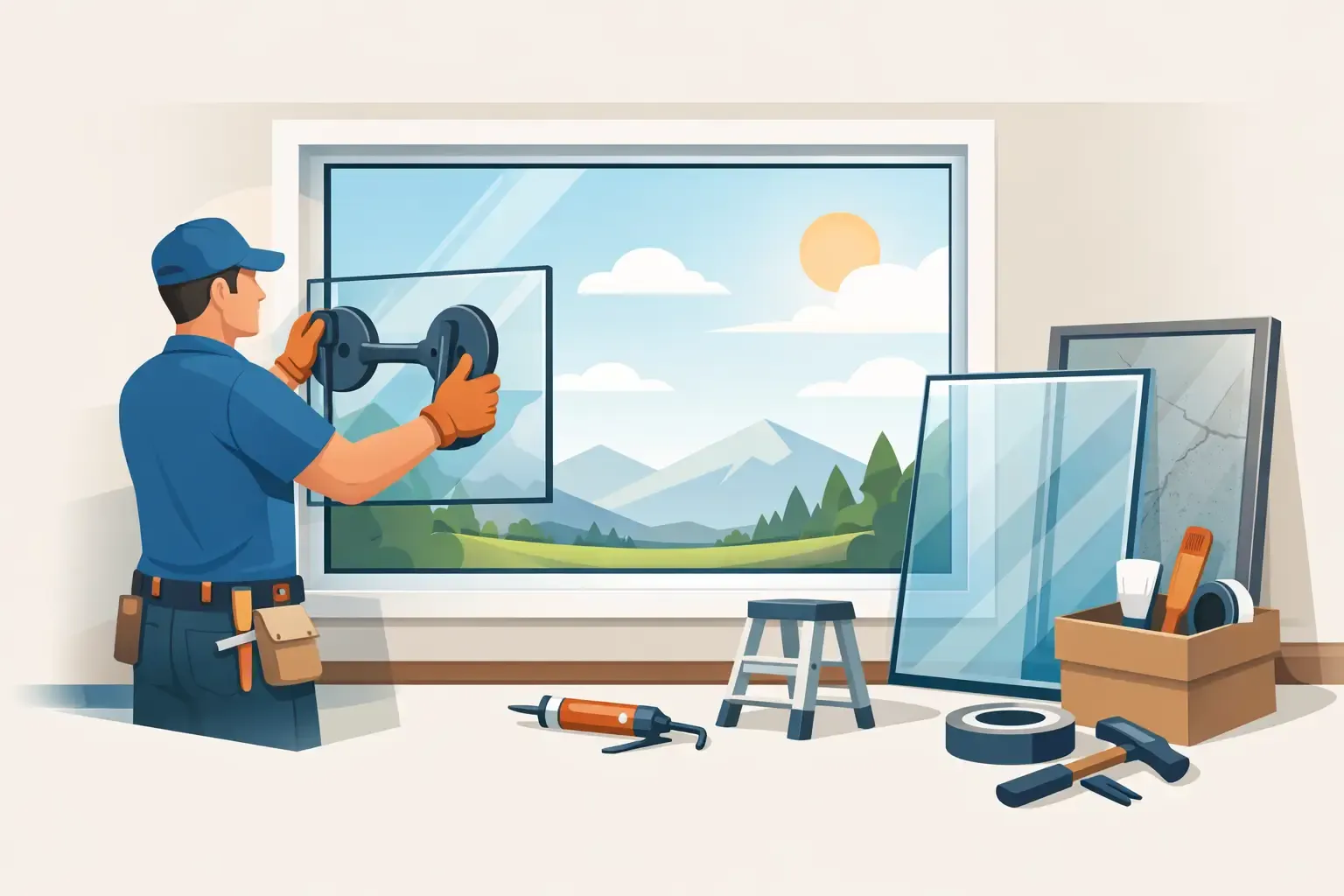
A fogged-up picture window changes how a whole room feels. What used to frame the yard or pull in daylight starts looking tired, drafty, or dated. Fixed picture window replacement is often less about one pane of glass and more about restoring comfort, efficiency, and the clean, open look that made the window appealing in the first place.
For many homeowners, the decision starts with a problem they can see or feel. Condensation between panes, cold spots near the glass, failing seals, frame wear, or rising energy bills are common triggers. In other homes, the window still works in a basic sense, but it no longer matches the rest of the exterior after a renovation or full window upgrade. Either way, replacing a fixed picture window should solve the issue without creating new ones such as trim damage, surprise costs, or installation delays.
When fixed picture window replacement makes sense
A fixed picture window does not open, so homeowners sometimes assume there is less that can go wrong. In reality, these windows still depend on the same core performance factors as any other exterior window - glass quality, seal integrity, frame condition, and proper installation.
If the insulated glass unit has failed, you may notice moisture trapped between panes or a hazy look that never fully clears. If the frame is aging, there may be visible warping, cracking, or water-related deterioration around the perimeter. Some older units also underperform simply because they were built to a lower energy standard than what is available today.
There are cases where a repair is enough. If the issue is isolated to interior trim or minor cosmetic wear, a full replacement may not be necessary. But if the seal is gone, the frame is compromised, or the unit is noticeably inefficient in winter and summer, replacement is usually the more reliable long-term fix.
What you gain with a new picture window
The biggest benefit is often comfort. A properly built and professionally installed replacement window can reduce drafts, stabilize indoor temperatures, and help the room feel more usable during colder months. In homes with large front-facing or backyard windows, that difference is noticeable.
Energy performance matters too. Modern fixed picture windows are often built with improved glazing, better spacers, and insulated frames that perform far better than older units. That does not mean every replacement will produce dramatic utility savings on its own. Results depend on the size of the window, the age of the old unit, sun exposure, and the rest of the home envelope. Still, upgrading a poorly performing large fixed window can make a meaningful difference.
Appearance is another reason homeowners move forward. Picture windows are visual focal points. If the glass looks cloudy or the frame looks bulky and outdated, it can affect both curb appeal and the feel of the interior. A new custom-sized unit can sharpen sightlines, bring in more natural light, and better match the style of surrounding windows and doors.
Fixed picture window replacement cost - what affects the price
Homeowners usually want a straight answer on price, and that is fair. The challenge is that picture windows vary widely in size, glass package, frame construction, and installation complexity. A small fixed unit in a simple opening will cost far less than a large custom front window with upgraded energy-efficient glass and extensive trim work.
Size is one of the biggest cost drivers. Large picture windows use more material and often require more careful handling during manufacturing and installation. Custom shapes or oversized openings can increase the price further.
Glass options also matter. Double-pane glass is common, but some homes benefit from additional energy-efficient coatings or upgraded glazing depending on orientation and climate demands. Southern Ontario homeowners, for example, often need products that can handle real seasonal swings, not just mild-weather performance on paper.
Installation conditions have a major impact too. Replacing a second-story window, working around masonry, repairing hidden water damage, or matching existing interior finishes can all affect labor and scope. That is why clear measuring and a detailed quote matter. A low initial number does not help if it excludes trim, disposal, installation details, or follow-up support.
Choosing the right style and specifications
Not every replacement should be a like-for-like copy of what was there before. Sometimes that is the right move, especially if the original proportions suit the home well. But replacement is also a chance to improve performance and appearance.
Frame material is one decision point. Many homeowners prefer vinyl for its durability, energy performance, and low maintenance. It works especially well when the goal is dependable long-term value without ongoing upkeep. Sightline preference matters as well. Some want the largest possible glass area, while others prioritize matching nearby operable windows for a consistent exterior look.
Glass selection deserves careful attention. Homes with strong sun exposure may benefit from different glazing characteristics than north-facing rooms where heat retention is the bigger concern. Privacy is rarely the main issue with picture windows, but glare control, UV exposure, and interior comfort can be.
This is also where customization becomes important. A fixed picture window can stand alone, or it can be paired with casement or awning windows on the sides to bring in ventilation while keeping the wide central view. The best option depends on the room, the elevation, and how the home is used day to day.
Why installation quality matters as much as the window itself
A well-made window can still underperform if it is installed poorly. This is where many homeowners get frustrated. They expect the product to solve drafts or water issues, then discover the real problem was the installation method, the fit, or the finishing.
A proper fixed picture window replacement starts with accurate measurement and a realistic understanding of the opening condition. Once the old unit is removed, the installer should check for structural issues, water intrusion, and insulation gaps before the new window goes in. The goal is not to cover over hidden problems. It is to correct them while the opening is accessible.
Air sealing, insulation, shimming, and exterior finishing all affect long-term results. So does the quality of the final fit. With a fixed unit, even small visual inconsistencies stand out because the window is designed to be clean and uninterrupted. Homeowners should expect a finished result that looks intentional from both inside and outside.
This is one reason turnkey service matters. When the same company handles measuring, product selection, installation, and warranty support, there is less room for finger-pointing if something needs attention later.
Questions worth asking before you commit
The right contractor should be comfortable answering practical questions clearly. Ask what is included in the quote, whether the replacement is full-frame or retrofit, what energy-performance options are available, how long manufacturing and installation will take, and what kind of warranty applies to both product and labor.
It is also worth asking how the company handles unexpected issues such as damaged framing discovered during removal. That answer tells you a lot. Good providers do not pretend surprises never happen. They explain the process, communicate quickly, and keep the scope transparent.
If your home has multiple aging windows, ask whether it makes sense to phase the work or complete several openings together. Sometimes replacing one failed picture window is the clear immediate need. In other cases, coordinating it with surrounding windows leads to better appearance, efficiency, and installation value.
What a smooth replacement process should look like
The process should feel organized from the start. It begins with an on-site assessment, accurate measurements, and a conversation about goals - better energy performance, a cleaner look, more glass area, or matching existing units. From there, you should receive a clear written estimate without vague allowances or missing line items.
Once the window is ordered, timelines should be realistic, not overly optimistic. On installation day, the crew should protect the work area, remove the old unit carefully, install the new window correctly, and complete the interior and exterior finish work to a professional standard. Cleanup should be part of the job, not an extra favor.
For homeowners who want as little hassle as possible, this managed approach is often the deciding factor. ProPlas built its service around that expectation because replacement windows are a major home investment, and the process should feel controlled, not chaotic.
A fixed picture window is meant to bring in light, frame the outdoors, and make a room feel more open. When it no longer does that well, replacement is not just a maintenance task. It is a chance to improve how your home looks, feels, and performs for years to come.