

Budget planning for a home window upgrade means calculating accurate replacement costs, choosing the right materials, and factoring in rebates before a single window comes out. The national average sits at roughly $750 per window in 2026, with whole-house projects ranging from $6,500 to $18,650 depending on window count, material, and installation type. Smart homeowners also set aside a 10–20% contingency fund and check eligibility for federal Energy Star tax credits before committing to a budget. Getting these numbers right at the start prevents the most common and costly surprises.
What are the typical costs and pricing factors for window replacement?
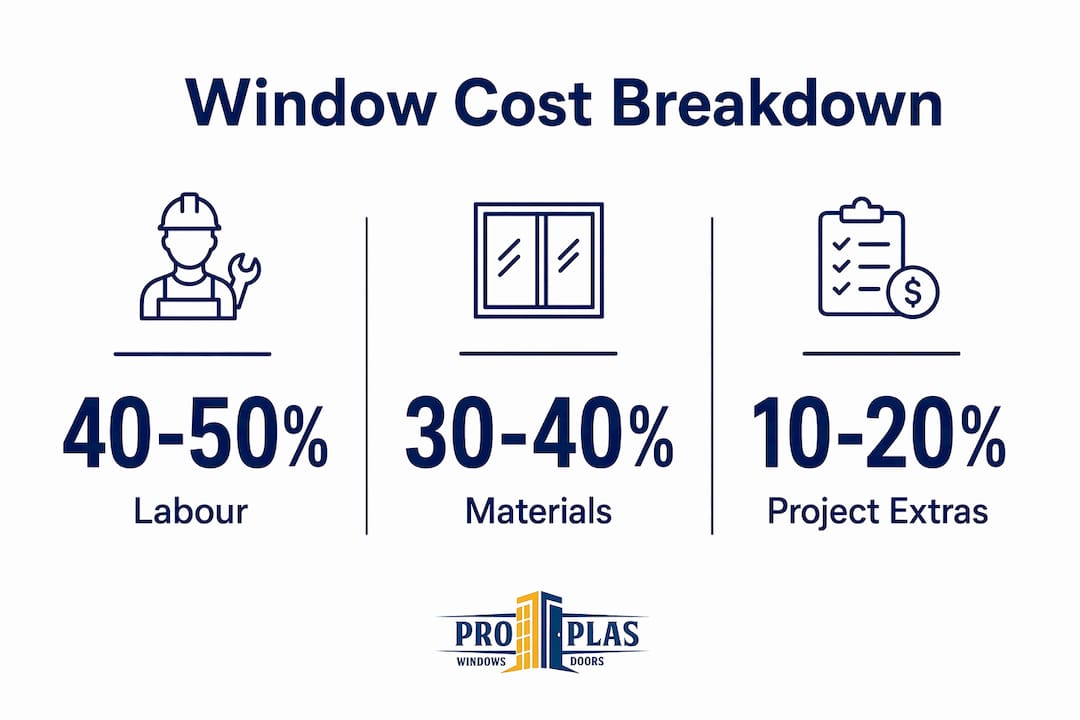
Window replacement costs break down into three main categories: materials, labour, and project extras. Labour accounts for 40–50% of the total bill. That single fact changes how you negotiate. Focusing only on material prices misses half the equation.
Material and window type
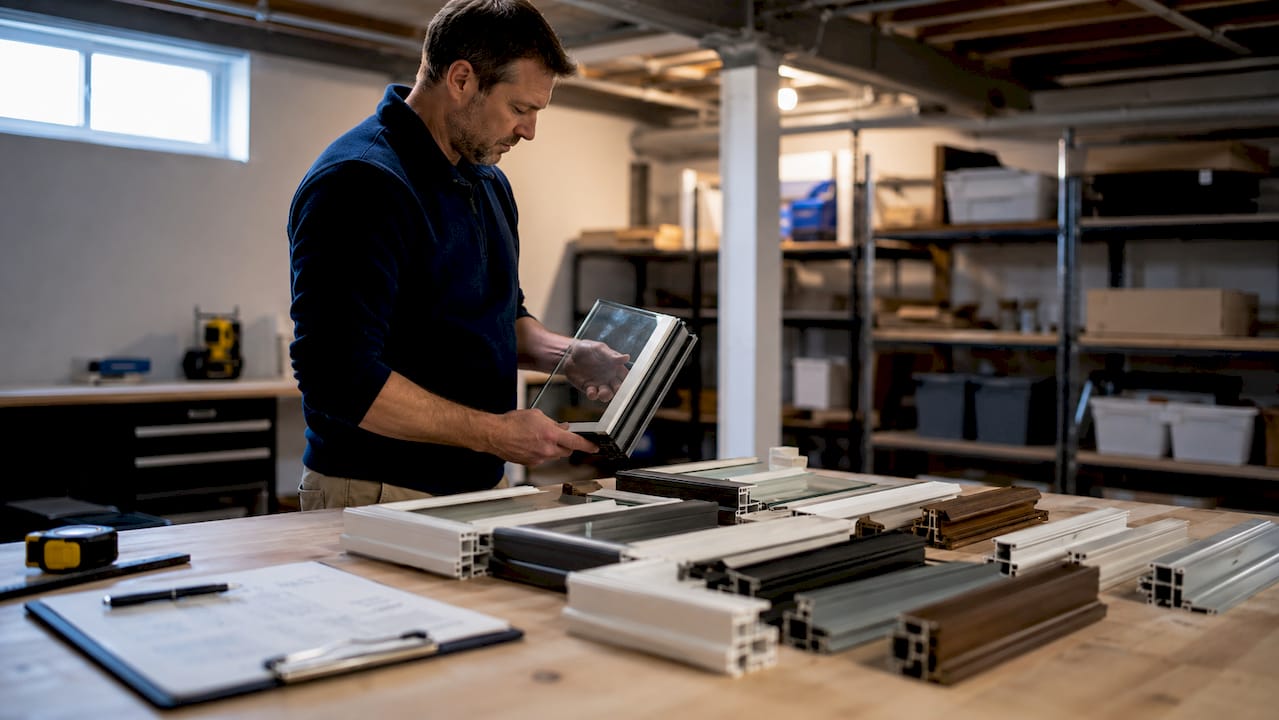
Vinyl frames are the most affordable option, typically sitting at the lower end of the per-window price range. Fibreglass and wood frames cost more but offer greater durability and aesthetic flexibility. Window type also matters: a standard double-hung window costs far less than a bay, bow, or custom-shaped unit, which requires substantially more labour and framing work.
Installation method: insert vs. full-frame
Insert replacements cost $150–$300 less per window than full-frame replacements. Inserts slide into existing frames and work well when the surrounding structure is sound. Full-frame replacements remove everything down to the rough opening, which fixes hidden rot or structural damage but adds to the budget. Choosing the wrong method mid-project leads to expensive change orders, so a proper inspection before quoting is non-negotiable.
Cost breakdown at a glance
| Cost component | Typical share of total project |
|---|---|
| Labour | 40–50% |
| Materials (frames and glass) | 35–45% |
| Permits and disposal | 5–10% |
| Trim and finishing work | Variable, often excluded from base quotes |
Volume discounts and regional pricing
Whole-house projects earn a 15–25% volume discount compared to replacing windows one at a time. Contractors spread fixed overhead across more units, so the per-window price drops. Canadian homeowners in the GTA and other urban centres may see higher labour rates than rural areas, so getting local quotes is the only reliable way to set a realistic budget.
Pro Tip: Ask every contractor to itemise labour, materials, permits, and disposal separately. A single lump-sum quote makes it impossible to compare bids or spot inflated line items.
How to choose budget-friendly, energy-efficient window options
The best window for a budget-conscious homeowner is one that meets Energy Star certification without unnecessary upgrades. Here is what actually moves the needle on cost and performance.
Frame material
- Vinyl: The most cost-effective frame material for most Canadian homes. Low maintenance, good thermal performance, and widely available.
- Composite: Slightly more expensive than vinyl but more durable in extreme temperature swings. A strong mid-range choice.
- Wood and fibreglass: Higher upfront cost. Justified for heritage homes or specific aesthetic requirements, not for pure budget efficiency.
Glass package
Energy Star-certified double-pane Low-E argon-filled windows meet most Canadian climate needs and qualify for federal tax credits. Triple-pane windows justify their premium mainly in colder climate zones like northern Ontario or the Prairies. For most GTA homeowners, double-pane Low-E is the right balance of cost and performance.
Storm windows as a budget alternative
Storm windows deliver 60–80% of the energy benefits of full replacement at roughly 20–30% of the cost, around $200–$500 per window installed. For older homes with structurally sound single-pane windows, interior or exterior storm windows are a legitimate short-term solution. They buy time while you save for a full replacement.
When frame condition decides the choice
The condition of your existing frames determines whether an insert or full-frame replacement makes sense. Damaged frames, visible rot, or water infiltration around the rough opening all point to full-frame. Sound frames in good condition are ideal for inserts. Skipping this assessment to save money upfront often costs more when hidden damage surfaces mid-installation. Proplas recommends a thorough frame inspection before any quote is finalised, which is standard practice for windows in older homes.
Pro Tip: Request an Energy Star certification number for any window you are quoted. Without it, you cannot claim federal tax credits or most provincial rebates.
What rebates and tax credits can offset window upgrade costs?
Federal and provincial incentives can meaningfully reduce the net cost of a window upgrade project. The key is knowing what qualifies and applying before you buy.
- Federal Energy Efficient Home Improvement Credit: Provides up to a $600 tax credit for Energy Star-certified windows. This credit applies per tax year, so phasing a large project across two years can double the benefit.
- Multi-window contractor discounts: Contractors routinely offer 15–25% discounts on whole-house projects. Combined with the federal credit, a 10-window project can save thousands of dollars off the base price.
- Provincial and utility rebates: Several Canadian provinces and local utilities offer additional rebates for Energy Star-certified installations. Eligibility criteria vary by programme, so check your provincial energy authority’s website before purchasing.
- Canada Greener Homes Grant: This federal programme has offered grants for energy-efficient retrofits including windows. Confirm current availability and amounts directly with Natural Resources Canada, as programme details change annually.
Statistic to know: A 10-window project combining the federal $600 credit with a 20% contractor volume discount can reduce the effective per-window cost by several hundred dollars. That is a meaningful difference on a $10,000 project.
Verifying Energy Star certification is the single most important step before claiming any rebate. A window without a valid certification number does not qualify, regardless of what a salesperson claims.
How to create a realistic budget for your window project
A realistic window replacement budget accounts for the full project cost, not just the sticker price on the windows themselves. Follow these steps to avoid the most common planning mistakes.
Step-by-step budgeting process
- Get a full inspection first. Identify frame condition, rot, and any structural issues before requesting quotes. Hidden damage discovered after removal is the leading cause of budget overruns.
- Prioritise by condition and energy impact. Replace the worst-performing windows first. North-facing and basement windows often lose the most heat and should move to the top of the list.
- Add a 10–20% contingency. A $10,000 project needs a $1,000–$2,000 buffer for unexpected repairs like wood rot, trim replacement, or permit complications.
- Time your project strategically. Late fall and early winter often bring 10–20% lower installer rates due to reduced demand. If your replacement is not urgent, scheduling off-peak saves real money.
- Get at least three quotes. Compare itemised bids, not totals. A lower total with vague line items often hides costs that appear later.
- Ask about hidden costs explicitly. Exterior trim replacement after full-frame installation adds $75–$250 per window and is frequently excluded from base quotes. Lead-paint compliance for pre-1978 homes can add $200–$1,500 to the project.
Phased vs. whole-house replacement
| Approach | Pros | Cons |
|---|---|---|
| Whole-house at once | Volume discounts of 15–25%, single mobilisation cost, consistent look | Higher upfront cost |
| Phased over 2–3 years | Spreads cost, allows annual tax credit claims | Higher per-window cost, multiple contractor mobilisations |
Most homeowners underestimate the savings from doing the whole house at once. The volume discount alone often offsets the benefit of spreading payments over time. If financing is available at a reasonable rate, a single whole-house project is usually the better financial decision. Proplas offers window installation services with transparent, itemised quotes so you can compare the two approaches clearly before committing.
Key takeaways
Effective budget planning for a home window upgrade requires accurate cost data, the right material choices, and a contingency fund before any work begins.
| Point | Details |
|---|---|
| Know your baseline cost | The national average is $750 per window in 2026, with whole-house projects ranging from $6,500 to $18,650. |
| Labour is half the bill | Labour accounts for 40–50% of total cost; always get itemised quotes to compare bids accurately. |
| Add a contingency buffer | Set aside 10–20% of your total budget to cover hidden damage, trim work, and permit fees. |
| Use available incentives | Federal Energy Star credits of up to $600 per year and contractor volume discounts of 15–25% reduce net cost significantly. |
| Time and method matter | Off-peak scheduling saves 10–20% on labour; choosing insert vs. full-frame correctly avoids costly mid-project changes. |
What 25 years of window projects taught us about budgeting
The most consistent mistake we see is homeowners budgeting for the windows and forgetting to budget for the project. Those are two different things. The window price is just the starting point. Labour, permits, trim work, disposal, and the occasional structural surprise are what actually determine what you spend.
The second mistake is chasing energy savings as the primary justification. Energy payback from utility savings alone takes 25–40 years. That is a long time to wait for a return. The real value of new windows is comfort, reduced drafts, better sound insulation, and improved home value. Budget with those benefits in mind and you will make a clearer decision.
We also see homeowners replace windows piecemeal to manage cash flow, then regret it when they see the per-unit cost difference. A whole-house project with a reputable contractor almost always costs less per window than three or four separate jobs. If budget is the constraint, look at financing options before defaulting to a phased approach.
Finally, vet your contractor as carefully as you vet your windows. Ask for itemised quotes, check for Energy Star certification on every product, and confirm what the warranty covers. A window installation warranty that covers both product and labour is worth more than a slightly lower quote from a contractor who only warranties the glass.
— Proplas
How Proplas helps you plan and execute your window upgrade
Planning a window upgrade budget is straightforward when you have accurate quotes and honest guidance from the start. Proplas has served over 10,000 homeowners across Ontario and the GTA with transparent, no-hidden-fee window and door installations backed by a lifetime warranty.
Every Proplas project starts with a detailed consultation that covers frame condition, Energy Star product options, and a full itemised quote with no surprises. Installation is often completed in as little as three days. Whether you are replacing a single problem window or doing a whole-house upgrade, Proplas’s window and door installation services give you the clarity you need to budget with confidence. You can also review completed projects in the Proplas portfolio to see the quality of work before committing.
FAQ
What is the average cost of replacing windows in Canada in 2026?
The national average is approximately $750 per window, with whole-house projects typically ranging from $6,500 to $18,650 depending on materials, window type, and installation method.
How much contingency should I add to my window replacement budget?
Add 10–20% of your total project cost as a contingency buffer. On a $10,000 project, that means setting aside $1,000–$2,000 for unexpected repairs like wood rot or trim replacement.
Do Energy Star windows qualify for tax credits in Canada?
Yes. Energy Star-certified windows qualify for a federal tax credit of up to $600 per year. Combining this with provincial rebates and contractor volume discounts can reduce your net project cost significantly.
Are storm windows a good budget alternative to full replacement?
Storm windows deliver 60–80% of the energy benefits of full replacement at roughly 20–30% of the cost. They are a practical option for older homes with structurally sound frames and tight budgets.
What hidden costs should I ask about before signing a window contract?
Ask specifically about exterior trim replacement ($75–$250 per window), lead-paint compliance for pre-1978 homes ($200–$1,500), permit fees, and disposal charges. These are frequently excluded from base quotes.