
Standard windows fail in older homes because they are built to modern dimensions and materials that do not match the original construction. The mismatch creates thermal stress, condensation damage, and aesthetic problems that standard products simply cannot solve. If you own a home built before 1950, or a listed or heritage property, understanding why standard windows fail older homes is the first step toward making a replacement decision you will not regret. This guide covers the technical, regulatory, and practical reasons behind these failures, and points you toward solutions that actually work.
Why standard windows fail older homes: the core incompatibilities
Standard replacement windows are designed for modern construction, where openings are square, frames are uniform, and glass thickness is standardised. Older homes were built to entirely different specifications, and that gap is where failure begins.
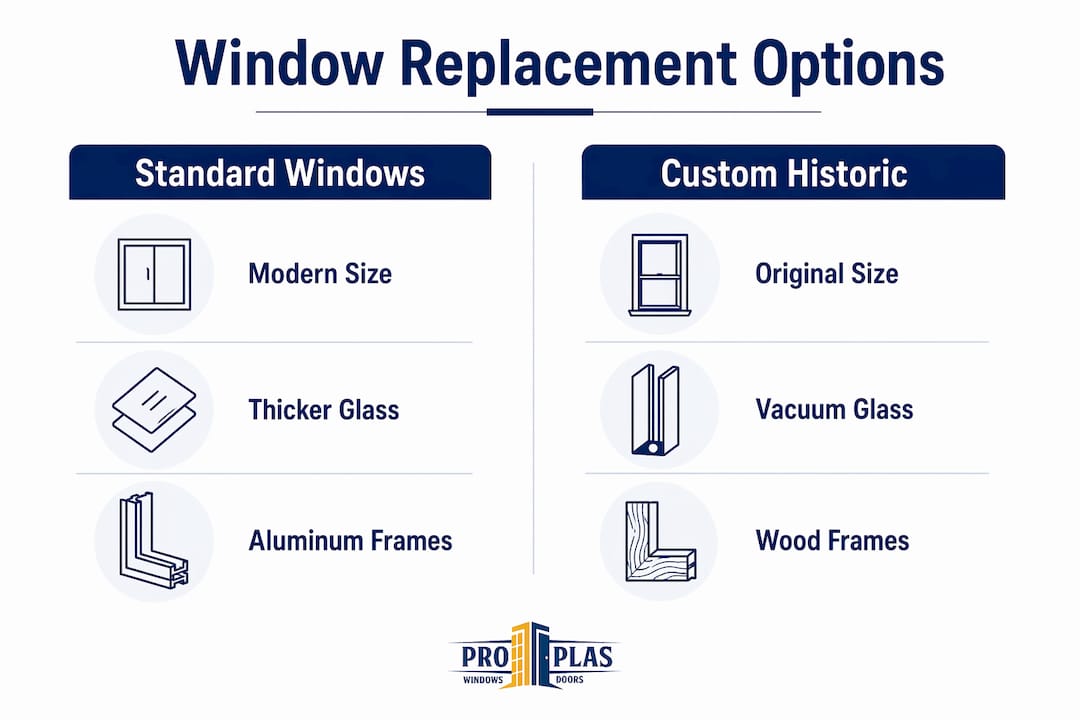
The most common technical problem is glass unit thickness. Insulated glass (IG) units require sash modifications that flatten historic muntins and alter visual depth, which leads to rejected replacements by preservation commissions. The thick cavity pushes the glass outward from the original plane of the wall, flattening the shadow lines that give older homes their architectural character. What looks like a minor detail on paper becomes visually obvious once the window is installed.

Frame material is the second major incompatibility. Original windows in older homes were built with old-growth timber, which is denser and more dimensionally stable than modern lumber. Standard vinyl or aluminium frames expand and contract at different rates than surrounding masonry or plaster, creating gaps over time. Those gaps let in drafts, moisture, and cold air, which is exactly what the replacement was supposed to prevent.
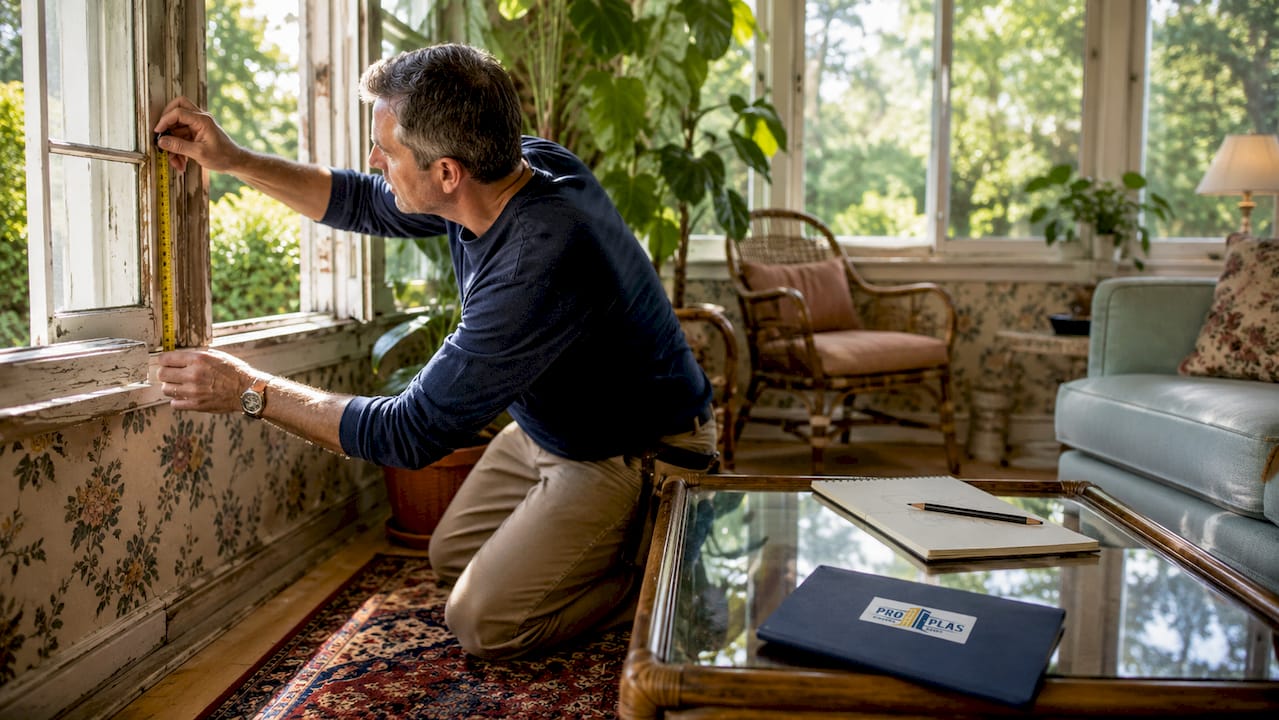
Pro Tip: Before ordering any replacement window, measure the existing opening in at least three places vertically and three places horizontally. Older openings are rarely perfectly square, and a standard window ordered to nominal dimensions will almost never fit without significant modification.
Lead paint and restoration risks
Homes built before 1978 likely contain lead-based paint in their window frames, making any restoration or replacement work a lead-safe operation. Sanding, scraping, or cutting into painted frames without proper containment creates lead dust that poses serious health and legal risks. This requirement adds cost and time to any window project in an older home, and it is a factor that standard window suppliers rarely account for in their quotes.
How do installation issues contribute to window failures in older homes?
Even a well-chosen window will fail if it is installed incorrectly in an older home. Installation problems are responsible for a significant share of common window failures, and older homes create conditions that make those problems more likely.
The four most common installation mistakes in older homes are:
- Ignoring out-of-square openings. Older frames settle and shift over decades. Installing a standard rectangular window into a trapezoidal opening forces the frame into tension, which causes sash binding and seal failure within months.
- Skipping proper flashing. Original window openings were not always designed for modern drainage planes. Without correct flashing, water tracks behind the new frame and rots the surrounding structure silently.
- Using the wrong sealant. Rigid sealants crack under the thermal movement of older masonry. Flexible, paintable sealants are required, but many installers default to whatever is on hand.
- Failing to account for thermal stress. Drafts or sash binding typically appear during the first heating or cooling season as a direct symptom of improper sealing and frame tension. By then, the installer may be long gone.
The practical solution is to hire an installer with documented experience in older home projects. Ask specifically whether they have worked with uneven openings, plaster surrounds, and heritage-style frames. A general contractor who installs windows in new builds every week does not automatically have the skills needed for a 1920s brick semi-detached.
What regulatory and preservation standards affect window replacements?
If your home is a listed building or sits within a heritage conservation area, regulatory requirements add another layer of complexity to window replacement. These rules exist to protect historic character, and the penalties for ignoring them are significant.
| Regulatory factor | Details |
|---|---|
| Planning Act 1990, Section 7 | Governs unauthorized alterations to listed buildings in the UK |
| Maximum fine per window | Up to £30,000 per unauthorized replacement |
| Standard double glazing | Nearly always rejected for listed buildings due to frame damage and sightline disruption |
| Listed building consent (LBC) | Required before any window work begins on a listed property |
| Approved alternatives | Slimline double glazing and secondary glazing are the accepted options |
Standard double-glazed units with thick sealed cavities and aluminium spacers are almost never approved for listed buildings. The cavity design causes irreversible condensation damage to timber frames, and the visual profile disrupts the historic sightlines that preservation authorities are mandated to protect. Obtaining listed building consent before starting work is not optional. Proceeding without it exposes you to prosecution, fines, and a mandatory order to restore the original windows at your own expense.
Even for homes that are not formally listed, local heritage guidelines often restrict the type of replacement windows permitted. Check with your local planning authority before signing any contract.
What are the best alternatives for windows in older homes?
The right approach depends on the condition of your existing frames and the regulatory status of your property. Two main paths exist: restoration and custom replacement.
Restoring original windows
Restoring an original wood window typically costs between $170 and $550 per window, depending on the extent of decay. Restoration makes sense when the frame is structurally sound, the joinery is intact, and the decay is limited to surface glazing or weatherstripping. Restored original windows retain the exact profile, glass thickness, and shadow lines of the historic design. They also satisfy preservation requirements without the need for special approvals in most cases.
Restoration is not always feasible. Severe rot, broken sash cords, and warped frames that cannot be re-squared are signs that replacement is the better choice.
Custom historic-style replacements
When replacement is necessary, vacuum insulated glass (VIG) is thinner than conventional IG and preserves original muntin dimensions and sightlines. VIG achieves meaningful insulation performance without requiring the sash modifications that standard IG demands. This makes it the preferred option for historic window replacements where both performance and character matter.
The trade-off is time. Custom window production for historic-compliant replacements can take up to 12 weeks, compared to approximately 2 weeks for standard windows. Plan your project timeline accordingly, especially if you are working around a heating season.
Pro Tip: Get your custom window order confirmed before removing existing windows. Living with a boarded opening for 10–12 weeks in a Canadian winter is avoidable with proper sequencing.
For homeowners weighing costs and timelines, the replacement windows guide from Proplas breaks down what actually pays off over the long term.
How do window failures affect home performance and value?
Incompatible windows do not just look wrong. They create measurable problems that affect your comfort, your energy bills, and your home’s resale value.
The most common consequences of using standard windows in older homes include:
- Increased heat loss. Gaps between a standard frame and an out-of-square opening allow cold air infiltration that no amount of caulking fully corrects. Heating costs rise noticeably in the first winter after a poor installation.
- Condensation and moisture damage. Aluminium spacers in standard IG units conduct cold to the edge of the glass, creating condensation that collects in the frame channel. Over time, this saturates surrounding timber and plaster, leading to rot and mould.
- Sash failure. Standard windows installed in openings that are not square bind and stick within one or two seasons. The hardware wears unevenly, and the seals fail prematurely.
- Loss of historic character. Flat, thick-framed standard windows visually clash with the proportions of older architecture. This reduces curb appeal and, in markets where heritage character commands a premium, it can reduce resale value.
- Energy Star non-compliance. A window that fits poorly does not perform to its rated Energy Star values, regardless of what the label says. The rating assumes correct installation in a properly prepared opening.
Choosing a replacement that balances energy efficiency in older homes with historic integrity is not a compromise. It is the only approach that delivers lasting results.
Key takeaways
Standard windows fail in older homes because of fundamental mismatches in size, material, installation conditions, and regulatory requirements that off-the-shelf products are not designed to address.
| Point | Details |
|---|---|
| Size and material mismatch | Standard windows are built for modern openings and do not fit the irregular dimensions of older homes. |
| IG thickness damages character | Thick insulated glass units flatten muntins and alter shadow lines, triggering preservation rejections. |
| Installation errors compound failure | Improper sealing and ignoring out-of-square openings cause drafts and sash binding within one season. |
| Regulatory risk is real | Unauthorized replacements on listed buildings can result in fines of up to £30,000 per window. |
| Custom and VIG options exist | Vacuum insulated glass and custom-sized frames preserve historic character while improving performance. |
What we have learned after 25 years of older home window projects
After working on over 10,000 window and door projects, the pattern we see most often is this: homeowners get a quote from a general supplier, order standard windows because they are cheaper and faster, and then call us 18 months later with condensation, drafts, and frames that will not close properly.
The uncomfortable truth is that standard windows are not a budget option for older homes. They are an expensive mistake that costs more to fix than doing it right the first time. The savings on the initial purchase disappear quickly when you factor in remediation, re-installation, and in some cases, regulatory fines.
What actually works is a proper assessment before anything is ordered. Measure every opening individually. Check for lead paint. Confirm the regulatory status of the property. Then choose a frame material and glass unit that matches the original profile as closely as possible. For most older homes, that means custom sizing, slimline glazing, or VIG. None of these are exotic. They are simply the right tools for the job.
We also see homeowners underestimate the value of an experienced installer. The window itself is only part of the outcome. How it is fitted, flashed, and sealed determines whether it performs for 30 years or fails in 30 months. Choosing a team that has worked specifically with older homes is not a luxury. It is the single most important decision in the project.
— Proplas
Proplas window solutions for older homes
Older homes deserve windows that fit their character and their construction, not products forced into openings they were never designed for.
Proplas has 25 years of experience fitting custom-sized replacement windows in homes where standard products simply do not work. Every project starts with a thorough on-site assessment, including measurement of each opening individually and a review of frame condition. Installation is completed by specialists who understand the specific challenges of older construction, from uneven openings to lead-safe work practices. All Proplas windows are Energy Star certified and backed by a lifetime warranty, with installation often completed in as little as three days. For homeowners ready to get it right the first time, double-hung window options are a popular choice for older architectural styles.
FAQ
Why do standard windows fail in older homes?
Standard windows are built to modern dimensions and materials that do not match the irregular openings, frame profiles, and construction methods of older homes. The mismatch causes drafts, condensation, sash binding, and aesthetic damage.
Can I restore original windows instead of replacing them?
Restoration is feasible when frames are structurally sound. Restoring an original wood window typically costs between $170 and $550 per window, making it a cost-effective option when decay is limited to surface glazing or weatherstripping.
What is vacuum insulated glass and why does it matter for older homes?
Vacuum insulated glass (VIG) is thinner than conventional insulated glass units and preserves original muntin dimensions and sightlines. It improves insulation performance without requiring the sash modifications that standard IG demands, making it the preferred choice for historic replacements.
How long does it take to get custom windows for an older home?
Custom historic-compliant windows can take up to 12 weeks to produce, compared to approximately 2 weeks for standard windows. Planning your project timeline before removing existing windows prevents extended exposure during cold weather.
What happens if I replace windows on a listed building without approval?
Unauthorized window alterations on listed buildings can result in criminal prosecution and fines of up to £30,000 per window under Section 7 of the Planning Act 1990. Listed building consent must be obtained before any work begins.