

Energy-efficient door materials are defined by their ability to resist heat transfer, reduce drafts, and lower heating and cooling costs throughout the year. The right door material does more than look good. It tightens your home’s building envelope, cuts energy waste, and can meaningfully reduce your utility bills. The main options in any energy efficient door materials list include fiberglass, steel with polyurethane foam cores, wood with insulated cores, vinyl, and emerging bio-based materials like mycelium and biobased wood fibre. Each has distinct insulation properties, durability characteristics, and environmental trade-offs worth understanding before you buy.
1. What are the top energy-efficient door materials?
The five materials below represent the core of any practical energy efficient door selection guide. They range from proven performers to forward-looking options for eco-conscious homeowners.
Fiberglass doors
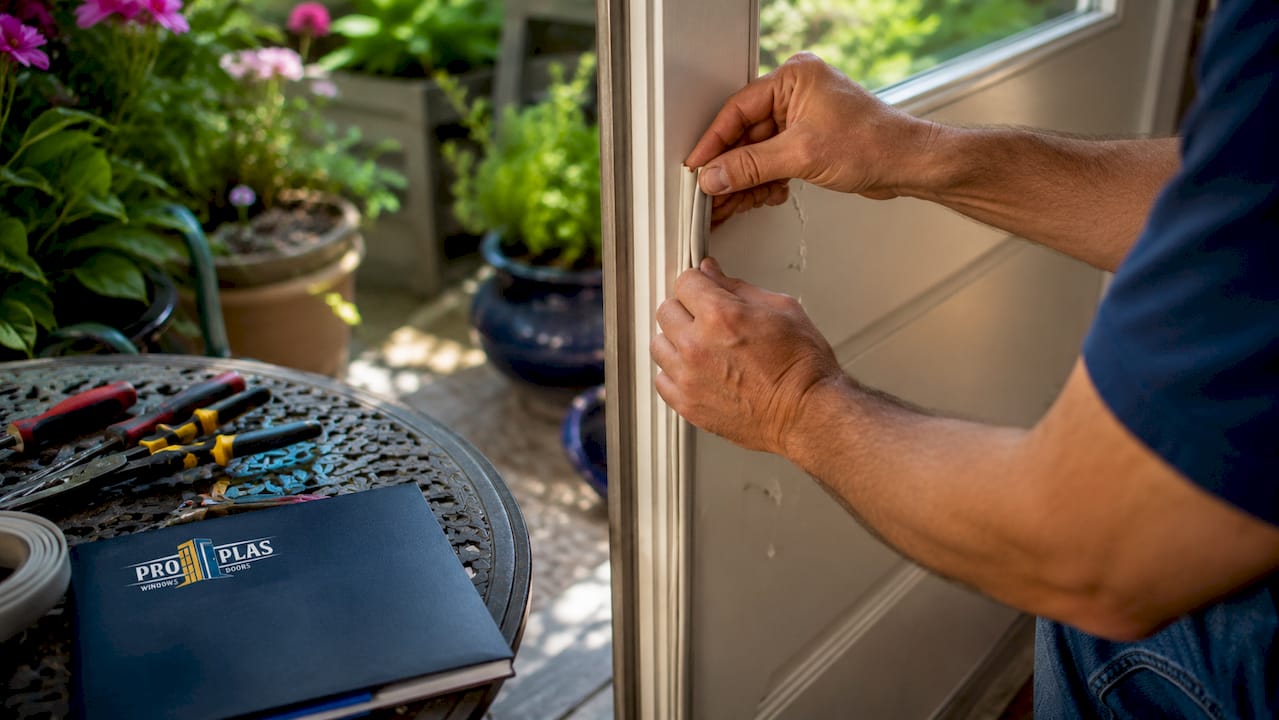
Fiberglass exterior doors are poor conductors of heat and electricity, which makes them one of the strongest performers in cold Canadian climates. They resist warping, cracking, and moisture better than wood. Maintenance is minimal, and they can be finished to mimic wood grain without the upkeep. The trade-off is a higher upfront cost compared to steel or vinyl.
Pros: High insulation, durable, low maintenance, weather-resistant
Cons: Higher purchase price, limited colour options without custom finishing
Steel doors with polyurethane foam cores
Steel doors with polyurethane foam insulation cores deliver high R-values and enhanced security, making them a popular choice for Canadian homeowners. The magnetic weatherstripping seals used on quality steel doors maintain air tightness over time. They are also more affordable than fiberglass at the entry level. The main drawback is susceptibility to dents and surface rust if the finish is compromised.
Pros: High R-value, strong security, affordable, good air seal
Cons: Can dent, may rust if finish is damaged
Wood doors with insulated cores
Wood doors with insulated cores offer natural aesthetic appeal and solid insulation, especially when built with thicker solid cores and quality weatherstripping. Efficiency depends heavily on core type and construction quality. Solid wood alone is not particularly efficient. Paired with a foam or composite core, however, wood doors perform well and add warmth to a home’s appearance.
Pros: Natural look, good insulation when cored, customisable
Cons: Requires regular maintenance, higher cost, can warp in extreme humidity
Vinyl doors
Vinyl doors sit in the middle of the energy saving door options range. They are affordable, resist moisture well, and provide decent insulation when built with foam-filled frames. They do not match fiberglass or steel for raw R-value, but they outperform single-layer wood in most climates. Vinyl is also low maintenance and widely available.
Pros: Affordable, moisture-resistant, low maintenance
Cons: Lower R-value than fiberglass or steel, limited aesthetic range
Bio-based and emerging materials
Bio-based door materials represent the next frontier in sustainable door materials. The Netherlands’ BioComfort front door uses a 100% biobased wood fibre core that matches the insulation levels of standard XPS foam and is fully recyclable at end of life. Mycelium core doors, developed by companies like Rebound, offer lightweight, sound-absorbing, and potentially fire-resistant properties. These materials are exciting, but most remain in prototype or early commercial stages.
Pros: Low embodied carbon, recyclable, renewable materials
Cons: Limited availability, not yet certified under ENERGY STAR or NFRC standards
Pro Tip: When comparing eco-friendly door choices, ask your supplier for the door’s full system R-value, not just the core material rating. The frame, weatherstripping, and installation quality all affect real-world performance.
2. How do insulation properties compare among door materials?
The R-value is the standard industry measure of thermal resistance. A higher R-value means better insulation. R-value comparisons show that fiberglass and steel doors with foam cores deliver superior insulation compared to conventional wood or vinyl doors.
| Material | Typical R-value range | Insulation class | Best climate fit |
|---|---|---|---|
| Steel with polyurethane foam | R-5 to R-6 | High | Cold Canadian winters |
| Fiberglass with foam core | R-5 to R-8 | High | All Canadian climates |
| Wood with insulated core | R-3 to R-5 | Moderate | Moderate climates |
| Vinyl with foam fill | R-2 to R-4 | Moderate | Mild to moderate climates |
| Biobased wood fibre (BioComfort) | Comparable to XPS | Moderate to high | Emerging, not yet widely tested |
| Mycelium core (prototype) | Not yet standardised | Experimental | Not yet rated |
ENERGY STAR and the U.S. Department of Energy both recognise that efficient doors reduce heat transfer and drafts, improving comfort when paired with proper weatherisation. That means the door’s R-value alone does not tell the whole story. A high-R-value door installed poorly will still leak heat around the frame.
Door construction matters as much as core material. The combination of a foam-filled core, a thermally broken frame, and quality weatherstripping determines real-world performance. In cold Canadian climates, fiberglass and steel with polyurethane foam cores are the most reliable choices for best insulation doors.
3. What emerging sustainable door materials should homeowners watch?
Bio-based door materials are moving from research labs into early commercial production. Two developments stand out for homeowners interested in eco-friendly door choices.
The BioComfort door from the Netherlands uses a 100% biobased wood fibre core combined with recycled FSC-certified edge wood. It matches the insulation performance of standard XPS foam and is fully recyclable at end of life. This makes it a genuinely circular product, unlike most foam-core doors that end up in landfill.
The mycelium door, developed by Rebound in collaboration with Det Levende Hus, takes a different approach. The core is grown from fungal mycelium in approximately two weeks, replacing hardwood with a lightweight, sound-absorbing material that also shows potential fire resistance. Rebound describes it as the world’s first mass-produced mycelium door.
“Bio-based core door innovations like mycelium remain prototypes and cannot yet be relied upon for code-accepted energy savings, differing from ENERGY STAR approved doors.” — Dezeen, 2026
Both innovations carry important caveats. Emerging bio-based materials require distinction from proven, labelled products due to lack of performance certification. Neither the BioComfort nor mycelium door currently carries ENERGY STAR or NFRC certification. Homeowners who want verified energy savings today should stick with certified fiberglass or steel options. Those planning a build or renovation in the next five to ten years may find these materials available and certified by then.
4. How to choose the best energy-efficient door for your home
Choosing the right door from the types of energy efficient doors available comes down to five practical factors.
-
Climate zone. Canadian homeowners in colder provinces like Ontario, Alberta, or Manitoba should prioritise doors with R-values of R-5 or higher. Fiberglass and steel with polyurethane foam cores are the proven leaders here.
-
Budget. Steel doors offer the best insulation value per dollar at the entry level. Fiberglass costs more upfront but requires less maintenance over its lifespan. Wood with an insulated core sits at the premium end.
-
Aesthetics. Fiberglass can be finished to look like wood without the upkeep. Steel offers a clean, modern look. Wood suits heritage or traditional homes. Vinyl works well for utilitarian or secondary entrances.
-
Maintenance commitment. Steel and fiberglass require minimal upkeep. Wood needs regular sealing or painting to prevent moisture damage and warping. Vinyl is virtually maintenance-free.
-
Sustainability priorities. If reducing embodied carbon matters to you, wood from FSC-certified sources or bio-based options (where available) are the most eco-conscious choices. Fiberglass is durable and long-lasting, which reduces replacement frequency and waste.
Beyond material selection, proper fit and sealing are as critical as material choice to reduce heat loss and drafts. A door that fits poorly or lacks quality weatherstripping will underperform regardless of its core material. Professional installation is not optional if you want the full benefit of a high-performance door.
Pro Tip: Pair your new door with energy-efficient windows on the same side of the house. Upgrading both at once maximises your building envelope improvement and often reduces total installation costs.
Improving door and window efficiency together involves both material selection and system-wide considerations like weatherstripping and fit. Treating them as a single envelope upgrade, rather than separate projects, delivers better results.
Key takeaways
The most energy-efficient door materials for Canadian homeowners are fiberglass and steel with polyurethane foam cores, chosen for their high R-values, durability, and proven performance in cold climates.
| Point | Details |
|---|---|
| Fiberglass leads on insulation | Fiberglass doors reach R-8 and resist warping, making them ideal for cold Canadian climates. |
| Steel offers value and security | Steel doors with polyurethane foam cores deliver high R-values at a lower upfront cost than fiberglass. |
| Installation quality matters | Proper fit, weatherstripping, and sealing are as important as core material for real-world energy savings. |
| Bio-based materials are promising | Mycelium and biobased wood fibre doors show strong sustainability potential but lack current ENERGY STAR certification. |
| System upgrades outperform single changes | Upgrading doors and windows together improves the building envelope more effectively than replacing one alone. |
Proplas’s view on choosing door materials that actually perform
After 25 years of installing doors across the Toronto and GTA area, we have seen one pattern repeat itself: homeowners focus on the door material and overlook the installation. A fiberglass door with an R-7 core, installed with gaps in the frame or worn weatherstripping, will perform worse than a mid-range steel door installed correctly. The material matters. The installation matters more.
We are genuinely excited about bio-based materials like mycelium cores and biobased wood fibre boards. They represent a meaningful shift toward lower embodied carbon in construction. But we would not recommend them to a homeowner replacing a door this year. They are not yet certified, not yet widely available in Canada, and not yet tested across a full heating season in a Canadian climate. That may change within a decade. For now, fiberglass and steel with polyurethane foam cores are the materials we stand behind.
The most common misconception we encounter is that a more expensive door automatically means better energy performance. Price reflects aesthetics and brand as much as insulation. A mid-range steel door from a reputable manufacturer, installed by a professional with proper sealing, will outperform a premium wood door installed carelessly. Spend your budget on quality installation before you spend it on premium finishes.
— Proplas
Proplas doors: energy-efficient options with professional installation
Choosing the right door material is only half the work. The other half is getting it installed correctly, with no gaps, no hidden costs, and no delays.
Proplas has been supplying and installing energy-efficient doors across Toronto and the GTA for 25 years, with over 10,000 satisfied customers. We carry fiberglass, steel, and custom door options, all certified by Energy Star, and we back every installation with a lifetime warranty. Installation is often completed in as little as three days. If you are ready to upgrade, visit our doors installation page to see available options, or explore our fiberglass entry door benefits guide to compare materials in detail. You can also review our best replacement windows for winter page if you are planning a full envelope upgrade.
FAQ
What is the most energy-efficient door material?
Fiberglass with a foam core is the most energy-efficient door material, reaching R-values of up to R-8 and resisting warping in cold climates. Steel with polyurethane foam is a close second and costs less upfront.
What R-value should a door have in Canada?
Canadian homeowners in cold climates should look for doors with an R-value of R-5 or higher. Fiberglass and steel with polyurethane foam cores both meet this threshold reliably.
Are bio-based door materials worth considering?
Bio-based materials like mycelium cores and biobased wood fibre boards show strong sustainability potential but are not yet ENERGY STAR certified. They are worth watching for future builds but are not a proven choice for energy savings today.
Does door installation affect energy efficiency?
Yes. The DOE confirms that proper fit and sealing are as critical as material choice for reducing heat loss and drafts. A poorly installed high-performance door will underperform a correctly installed mid-range door.
How do I know if my door is energy-efficient enough?
Look for the ENERGY STAR label and check the door’s listed R-value. Doors certified by ENERGY STAR meet minimum thermal performance standards set for Canadian climate zones.