
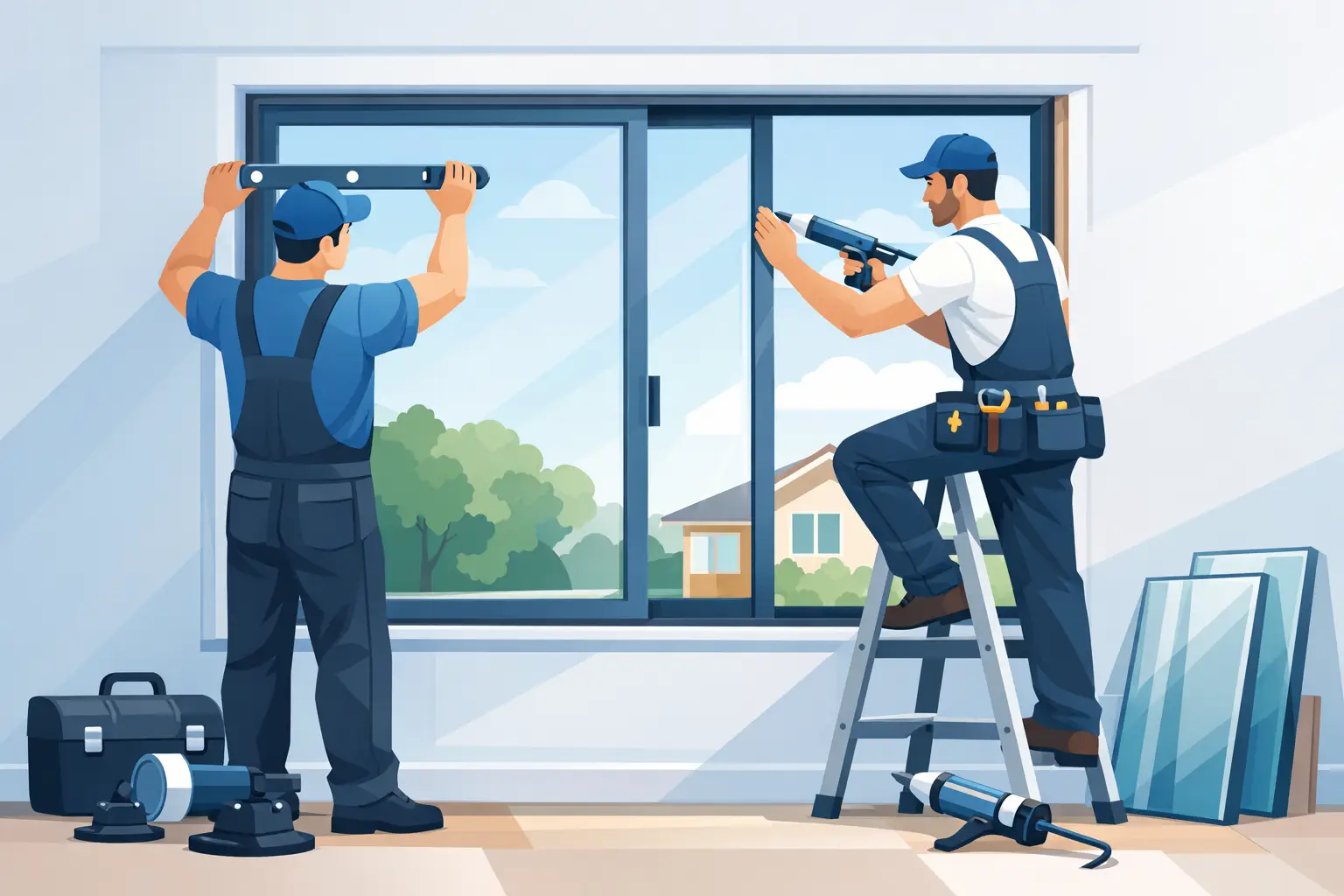
A replacement window can look excellent on day one and still cause problems if it is measured, fitted, or sealed poorly. Drafts around the frame, difficult operation, condensation, water intrusion, and early wear often come back to the installation itself, not just the window product. For homeowners planning window installation in Toronto, the GTA, Simcoe Region, or Southern Ontario, the goal should be a system that performs through hot summers, freeze-thaw cycles, wind, and heavy rain.
The right contractor does more than remove an old unit and fit a new one into the opening. They assess the condition of the opening, recommend a window suited to the home, explain the scope and price clearly, and stand behind the workmanship after the job is complete.
Window Installation Starts Before the Order
A dependable project begins with an on-site measurement, not a quick estimate based on rough dimensions. Homes shift over time. Openings that appear square may be out of level, and hidden issues around the existing frame may not be visible until a professional inspection.
During the measurement appointment, the installer should confirm the opening size, wall depth, frame condition, exterior cladding details, and any access considerations. This is also the time to discuss how each room is used. A bedroom may benefit from easy ventilation and egress considerations, while a living room may call for a large picture window that brings in natural light without adding unnecessary operating hardware.
Window style should fit both the home and the opening. Casement and awning windows offer strong ventilation control and tight compression seals. Double-hung and slider windows can be practical where exterior clearance is limited. Fixed windows maximize views and daylight, while specialty shapes can preserve the character of a traditional or custom home.
There is no single best choice for every room. The right recommendation accounts for ventilation, appearance, energy performance, maintenance preferences, and budget.
Product Quality Matters, but Fit Matters Too
Energy-efficient windows can help improve indoor comfort, but ratings only tell part of the story. Glass packages, insulated frames, weatherstripping, and properly designed hardware all contribute to performance. In Southern Ontario, homeowners should also consider how the window will handle winter temperature swings and summer sun exposure.
A quality replacement window should be selected to suit the orientation of the home. Rooms with strong afternoon sun may need a glass package that helps manage solar heat gain. North-facing rooms may benefit from options that prioritize heat retention. Privacy glass, divided lites, interior finishes, exterior colors, grille patterns, and custom shapes can also be considered before production begins.
However, even an Energy Star-compliant product cannot compensate for an improperly prepared opening. If the window is not level, adequately insulated, flashed where required, and sealed correctly, conditioned air can escape around the frame. Moisture can also find its way behind exterior finishes, where damage may develop gradually and remain unseen.
That is why homeowners should compare the full scope of work, not only the price of the window itself. A lower quote can leave out disposal, trim work, insulation, capping, repairs, or post-installation service. Clear scope details protect homeowners from unpleasant surprises once work has started.
What Happens on Installation Day
A professional crew should arrive with the correct custom-made windows, the materials needed to complete the work, and a clear plan for protecting the home. Furniture near the work area should be moved or covered, and floors should be protected from dust and debris. While window replacement is less disruptive than many major renovations, careful preparation makes a meaningful difference.
The old window is then removed carefully so the opening can be inspected. This step can reveal deteriorated wood, water damage, gaps, or other conditions that were not fully visible beforehand. When repairs are needed, a reliable contractor explains the issue, outlines the options, and discusses the cost before proceeding. Hidden damage should not become an excuse for vague charges or rushed work.
Once the opening is ready, the new window is positioned, leveled, and secured. The installer checks that it operates smoothly before final sealing and finishing. Appropriate insulation is installed around the frame, followed by interior and exterior sealing designed to limit air leakage while managing moisture properly.
Exterior capping or trim may be used to create a clean finished appearance and protect exposed areas from weather. The details depend on the home’s siding, brick, stucco, or other exterior materials. Good finishing is not merely cosmetic. It helps preserve the work around the opening and reduces future maintenance needs.
The Details Homeowners Should Inspect
You do not need construction experience to assess the basics of a completed project. Before the crew leaves, open and close each operating sash or panel. Locks should engage without force, screens should fit properly, and the window should sit squarely in the frame.
Look at the interior and exterior finish around the opening. Caulking should be neat and continuous where visible. Trim and capping should be secure, cleanly aligned, and appropriate for the home. The work area should be cleared of old materials, broken glass, fasteners, and construction debris.
A final walkthrough is the right time to ask practical questions. Find out how to operate the window, remove or clean screens, use any tilt-in feature, and maintain hardware. Ask what the product warranty covers, what workmanship coverage applies, and who to contact if an adjustment is needed.
This follow-up matters because new windows may need minor adjustments after installation, particularly as materials settle through changing seasons. A contractor that disappears once the final payment is made offers little reassurance when a small issue needs attention later.
Common Shortcuts That Create Long-Term Problems
Window replacement should improve a home, not create a cycle of repairs. Unfortunately, a few shortcuts show up repeatedly in poor installations. The most common are installing to an inaccurate measurement, using too little insulation around the frame, relying on caulk as the only defense against water, and covering damaged materials instead of addressing them.
Another concern is treating every opening the same. A large fixed unit, a narrow bathroom awning window, and a patio-adjacent slider have different structural and performance needs. The installation approach should reflect the specific product, wall condition, and exposure to the elements.
Timing can also affect quality. Fast project completion is valuable, but speed should never mean skipping inspection, preparation, or final testing. A well-organized crew can work efficiently without rushing the details that determine whether the window performs as intended for years.
Choosing a Contractor With Accountability
For most homeowners, window replacement is a significant investment. The safest choice is a company that manages the process from measurement through installation and remains available for warranty support. Ask whether pricing is itemized, how change conditions are handled, what brands are offered, and whether the crew is experienced with homes like yours.
It is also reasonable to ask about timelines. Custom windows require production time, and honest contractors set expectations early rather than promising unrealistic dates. A clear schedule, written scope, and direct point of contact help prevent the communication problems that often frustrate homeowners during renovation projects.
ProPlas approaches replacement projects as a complete service, with custom product selection, professional installation, transparent estimates, and support after the work is done. That accountability is especially valuable when upgrading multiple windows or combining a window project with a new exterior door.
A well-installed window should feel simple once the work is finished: it opens easily, closes tightly, looks right from inside and out, and helps the room stay comfortable when the weather changes. Before signing a contract, take the time to confirm how those results will be achieved, not just which window will be installed.