
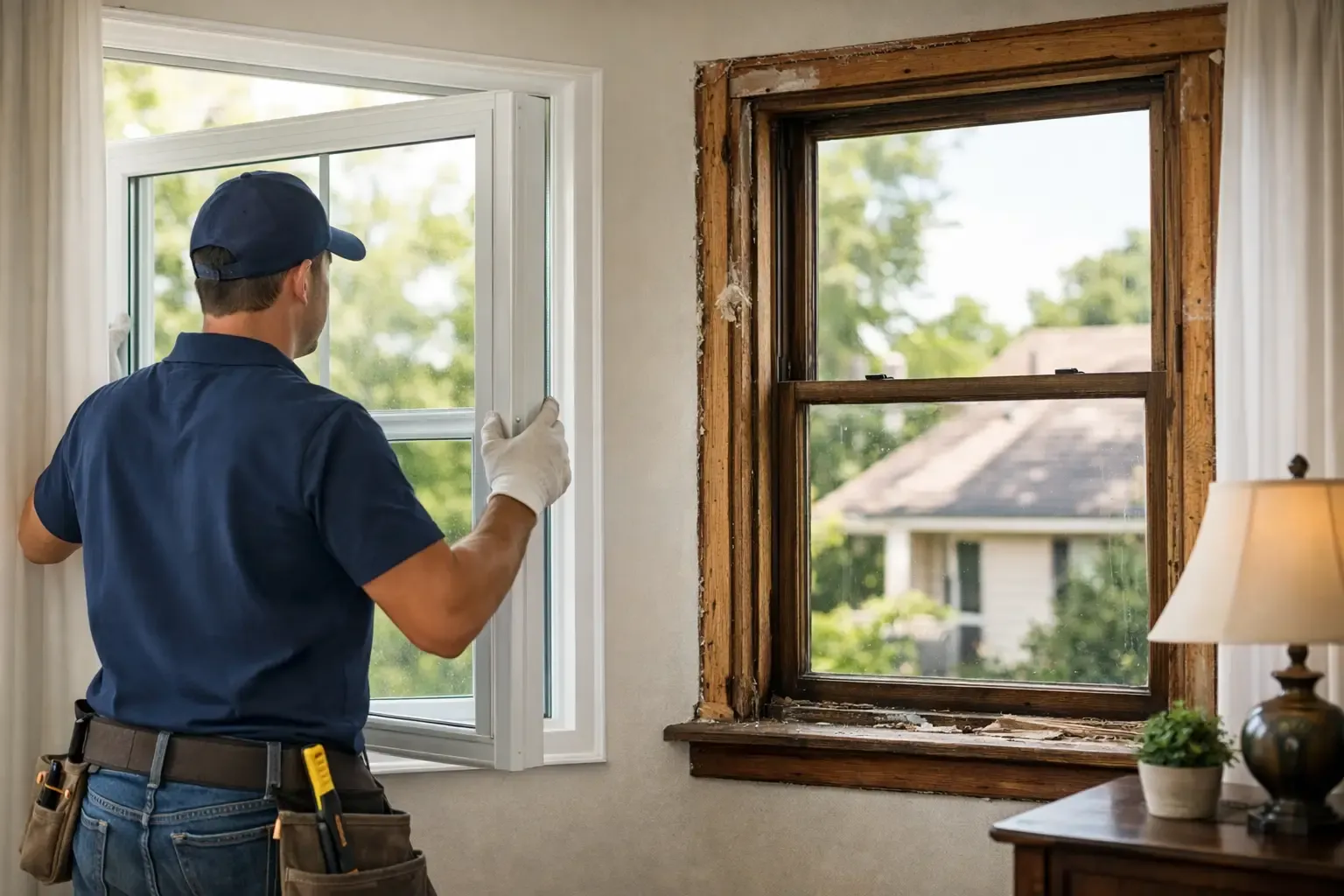
A drafty dining room, fogged glass, peeling trim, and windows that stick every winter are familiar problems in many established Southern Ontario neighborhoods. But window replacement for older homes is rarely a simple matter of removing an old unit and fitting a new one. The right result depends on accurate measurements, careful installation, and a window system that improves comfort without creating problems for the walls, trim, or character of the home.
Older homes can be excellent candidates for replacement windows. They often have single-pane glass, worn weatherstripping, failing seals, and frames that no longer close tightly. Still, they deserve a more thoughtful approach than a standard replacement job. A good installer looks beyond the glass to understand the opening, surrounding structure, moisture conditions, and finishing details before recommending a solution.
Why Older Homes Need a Different Window Plan
Homes built decades ago were not constructed around today's window sizes, insulation values, or air-sealing practices. Openings may be out of square, frames may have shifted slightly over time, and original trim can conceal gaps, rot, or previous repairs. Even two windows that look identical from the street may require different installation work.
This is why the lowest quote is not always the best value. A contractor who measures only the visible opening may miss issues that become expensive once the old window is removed. The result can be rushed adjustments, damaged interior finishes, unexpected add-ons, or a new window that still lets in cold air.
A proper assessment should consider the rough opening, frame condition, sill slope, exterior cladding, interior trim, and signs of water intrusion. It should also account for how the home is used. A bedroom may need easy egress and ventilation, while a living room may benefit most from a large fixed picture window that brings in more natural light.
Choosing Replacement Windows Without Losing Character
Many homeowners want better efficiency but worry that new windows will make a century home or older brick house look generic. That concern is valid. Window style, grille pattern, sightlines, exterior color, and trim proportions all affect the appearance of an older property.
The goal is not necessarily to copy every detail of the original window. In some cases, original windows have already been altered or are beyond practical repair. The goal is to choose a replacement that suits the home's architecture while delivering modern performance.
For traditional homes, double-hung windows can preserve a familiar vertical appearance while offering practical ventilation. Casement windows are a strong choice where homeowners want a tight seal and easy operation, especially over kitchen counters or in hard-to-reach locations. Picture windows work well in front rooms with a view, while specialty shapes can maintain distinctive arched or angled openings without forcing a rectangular window where it does not belong.
Grilles deserve careful consideration. Between-the-glass grilles are easy to maintain, but simulated divided-light options can offer a more traditional appearance. Exterior finishes should also be selected with the facade in mind. A white frame may suit some homes, while black, bronze, or custom colors can better complement brick, stone, or updated siding.
Energy Efficiency Is About More Than Double Glass
Replacing old windows can make a noticeable difference in comfort, but not every energy-efficient window is the same. The best choice depends on window orientation, room use, exposure to wind, and the condition of the existing opening.
In Ontario's climate, low-emissivity glass, insulated frames, quality weatherstripping, and properly sealed installation all matter. Double-pane glass is often an effective starting point, while triple-pane glass may be worth considering for exposed elevations, busy streets, or rooms that are consistently cold. It can improve insulation and reduce outside noise, though it also costs more and may not be necessary in every opening.
Do not judge performance by glass alone. A high-quality unit can underperform when it is installed with gaps around the frame or when deteriorated wood at the sill is left unaddressed. Conversely, a well-installed, appropriately specified window can make a major improvement in a room that has long felt uncomfortable.
Energy Star-compliant products provide a useful benchmark, but a knowledgeable consultation should still explain why a particular glass package and operating style fit your home. A west-facing family room has different needs than a shaded north-facing bedroom.
Full-Frame or Retrofit: The Decision That Affects the Result
One of the most important choices in window replacement for older homes is whether to use a retrofit installation or a full-frame replacement.
A retrofit, sometimes called an insert replacement, places the new unit within the existing frame. It can be a practical option when the original frame is sound, square, and free of moisture damage. It may preserve interior trim and reduce disruption. The trade-off is that some glass area is lost because the new frame sits inside the old one.
A full-frame replacement removes the existing window down to the rough opening. This provides access to inspect the structure, address rot or air leaks, add proper insulation, and install a new frame with a fresh exterior seal. It is typically the better option when old frames are deteriorated, openings have been modified poorly, or homeowners want to change the window style or size.
Full-frame work can involve more finishing work and a higher initial cost. However, it often prevents recurring problems that an insert window cannot solve. The right choice should be based on the actual condition of the opening, not on a one-size-fits-all sales pitch.
Watch for These Hidden Issues Before Installation
Older homes sometimes reveal problems only after the existing window is removed. This is not a reason to avoid the project. It is a reason to choose an installer who plans for it, communicates clearly, and can explain the options before work begins.
Common findings include soft or damaged wood at the sill, gaps around the rough opening, missing insulation, cracked exterior caulking, aging aluminum capping, and water staining behind trim. In brick homes, the condition of the surrounding masonry and flashing also matters. Covering these issues without correcting them can shorten the life of the new window.
Ask how change orders are handled if concealed damage is found. A dependable contractor should document the issue, explain the repair needed, provide transparent pricing, and get approval before proceeding. Homeowners should never be surprised by vague charges after the work is underway.
Installation Quality Protects Your Investment
The installation is where product performance becomes real. A replacement window needs to be level, plumb, square, insulated around the perimeter, and sealed to manage air and water properly. Exterior capping should be clean and fitted correctly, not used to hide poor preparation.
Interior finishing matters too, particularly in older homes where trim may be original or difficult to match. Experienced installers take steps to protect floors, furnishings, and surrounding finishes. They also check operation before leaving the site. The sash should open and close smoothly, locks should engage properly, and screens should fit as intended.
At ProPlas, the replacement process begins with measurement and product selection because both steps reduce surprises later. A clear scope, realistic timeline, professional installation, and warranty support give homeowners a better way to manage a project that can otherwise feel uncertain.
Questions Worth Asking Before You Sign
A clear quote should identify the window style, frame material, glass package, exterior finish, installation approach, capping or trim work, disposal, and warranty coverage. If those details are missing, it is difficult to compare quotes fairly.
It is also reasonable to ask whether the installer uses employees or subcontractors, how they protect the home during work, what happens if rot is discovered, and who handles service after installation. The answers reveal as much about the contractor as the price does.
Timing can matter as well. Window replacement can be completed throughout much of the year when proper procedures are followed, but homeowners should expect rooms to be temporarily opened during installation. A professional crew works efficiently to limit exposure and keeps the site organized from removal through cleanup.
A well-planned replacement does more than stop drafts. It can make a favorite room quieter, reduce condensation, improve curb appeal, and help an older home feel easier to live in through every season. Start with a careful assessment, choose products that fit the house rather than a generic package, and make installation quality the standard that guides the entire project.