
A cold draft near the sofa in January usually tells you more about your windows than any sales brochure ever will. If you are comparing energy star replacement windows, you are likely trying to solve a real problem – rising utility bills, uneven room temperatures, condensation, outside noise, or frames that no longer perform the way they should.
For homeowners in Toronto, the GTA, Simcoe Region, and across Southern Ontario, that decision is not just about buying a nicer-looking window. It is about choosing a product that can handle Canadian weather, improve day-to-day comfort, and justify the investment over the long term. The label matters, but what matters more is understanding what that label actually means for your home.
What energy star replacement windows actually mean
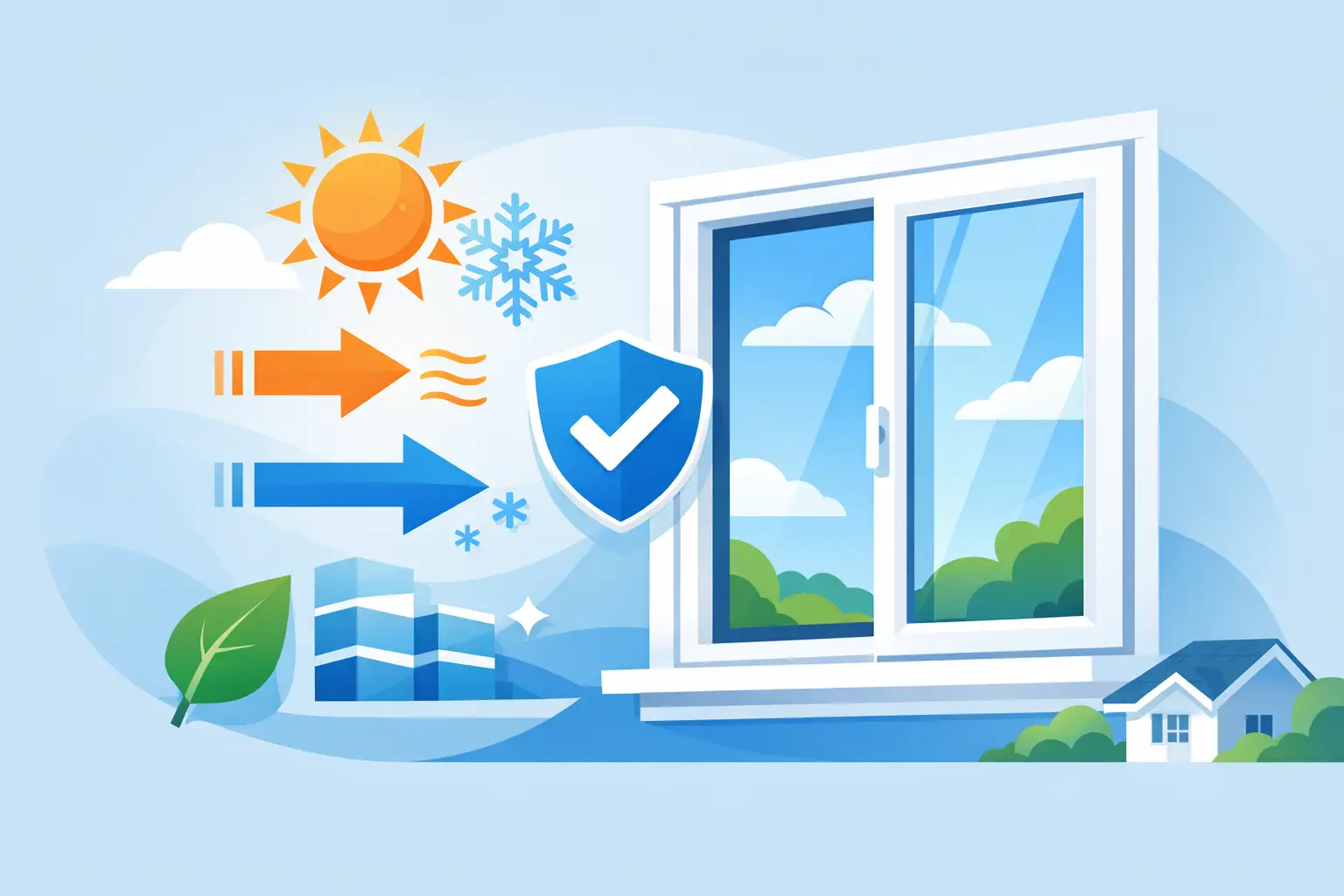
Energy Star is not a style of window or a single product line. It is a performance standard that helps identify windows designed to meet specific efficiency requirements for a given climate zone. In practical terms, energy star replacement windows are built to reduce heat loss in winter, limit unwanted heat gain in warmer months, and support more stable indoor temperatures.
That sounds straightforward, but homeowners often assume the label alone guarantees the same results in every home. It does not. A certified window is a strong starting point, not the whole story. Glass package, frame quality, manufacturing standards, installation method, and the condition of the existing opening all affect the final outcome.
A well-made Energy Star-compliant window can help cut drafts and reduce strain on your heating and cooling system. But if the window is poorly installed or the product is not suited to the opening, you may still end up with comfort issues and disappointing performance.
Why homeowners choose Energy Star replacement windows
Most homeowners start with cost savings, and that makes sense. Older windows often leak air, especially in homes where seals have failed or frames have shifted over time. Replacing them with efficient modern units can help reduce energy loss.
Still, monthly savings are only part of the value. Comfort is usually the bigger benefit people notice first. Rooms feel less drafty. Interior glass stays warmer in winter. Temperature swings from one side of the home to the other can become less noticeable. If you have ever avoided sitting near a window during a cold snap, you already understand the difference that better performance can make.
There is also the question of durability. Homeowners replacing original or aging builder-grade units are often frustrated by repeated issues – sticking sashes, moisture between panes, worn hardware, or frames that no longer seal properly. Energy Star windows are often part of a broader upgrade in overall quality, not just efficiency.
Not all Energy Star windows perform the same
This is where many buying decisions go off track. Two windows can both qualify under Energy Star while still offering different real-world results.
The first difference is the glass system. Double-pane and triple-pane configurations can both be effective, depending on the product, your budget, and the location in the home. Low-emissivity coatings and insulating gas fills help improve thermal performance, but the right combination depends on your priorities. If your main concern is winter comfort, one setup may make more sense. If solar gain on a south-facing elevation is part of the issue, another may be better.
Frame construction also matters. Vinyl remains a popular choice because it offers solid thermal performance, durability, and low maintenance. That said, not all vinyl windows are built to the same standard. Weld quality, reinforcement, weatherstripping, and hardware all influence how the unit performs over time.
Then there is design. Casement windows tend to seal tightly and are often chosen for efficiency. Sliders can be a practical fit in certain spaces, but performance may vary by product line and installation quality. Hung windows, picture windows, awning windows, and specialty shapes each have their own strengths. The best option depends on the opening, the ventilation needed, and the layout of the home.
The installation matters as much as the product
A high-performance window installed poorly is still a problem. That is why homeowners should be cautious about comparing quotes based only on glass specs or unit cost.
The installer needs to assess the existing opening, identify any signs of moisture damage or structural movement, and make sure the replacement method fits the home. Proper sealing, insulation, leveling, and finishing all play a role in preventing air leakage and water intrusion.
This is also where hidden costs often show up with the wrong contractor. A low initial quote may leave out necessary finishing work, disposal, trim adjustments, or repairs discovered once the old window is removed. That creates frustration fast, especially for homeowners who expected a straightforward replacement process.
A dependable installation process should include clear measurement, product guidance, transparent scope, professional fitting, and a warranty that means something after the crew leaves. That is the difference between buying a window and solving the problem that made you shop for one in the first place.
How to judge whether the upgrade is worth it
The return on investment depends on what you are replacing. If your current windows are already relatively modern and in good condition, the energy savings alone may not justify immediate replacement. But if you are dealing with failed seals, visible wear, drafts, condensation, difficult operation, or noticeable heat loss, the case becomes much stronger.
Homeowners should also think beyond energy use. Better windows can improve curb appeal, reduce outside noise, and support resale value. In family homes, they can make bedrooms more comfortable and common areas more usable through every season. Those quality-of-life gains are not always captured in a utility bill comparison, but they are very real.
It also helps to think in terms of long-term ownership. If you plan to stay in the home for years, better efficiency and reliability usually matter more than chasing the lowest purchase price. A cheaper window that underperforms or creates service issues later is rarely a bargain.
Choosing the right energy star replacement windows for your home
The right choice starts with the house itself. A large picture window facing open exposure has different demands than a second-floor bathroom awning window or a basement slider. Orientation, sun exposure, room function, ventilation needs, and the age of the home all affect what makes sense.
That is why a one-size-fits-all recommendation is not very helpful. Some homeowners benefit from upgrading every window at once for consistency and efficiency. Others may phase the project, focusing first on the units causing the biggest comfort or operational problems. Both approaches can be reasonable if the plan is clear.
Customization matters too. Homeowners are often balancing performance with appearance, especially in front elevations or renovation projects where sightlines and finishes need to match the rest of the home. The best replacement plan respects both function and design without pushing upgrades that do not add meaningful value.
For that reason, many homeowners prefer working with a company that handles the full process, from measurement and product selection to installation and after-sales support. ProPlas takes that approach because replacement windows are not just a supply purchase. They are a system, and the final result depends on how well every part of that system is managed.
Common mistakes to avoid
The biggest mistake is assuming all certified windows are equal. The second is choosing based on price alone. A cheaper quote can look attractive until delays, unclear scope, weak finishing, or poor follow-up start costing time and money.
Another common issue is focusing only on the center-glass performance and ignoring the full unit. Homeowners live with the entire window – frame, sash, hardware, seals, operation, and installation – not just a number on paper.
Finally, avoid treating replacement as only an energy decision. If the windows are hard to open, look dated, let in noise, or create cold zones in the home, those are valid reasons to invest as well. The right upgrade should improve everyday living, not just theoretical efficiency.
What to expect from a good buying process
A good consultation should feel clear, not pressured. You should understand what product is being recommended, why it suits your home, what the installation includes, how long the timeline is expected to be, and what warranty support looks like afterward.
That clarity matters because replacement windows are a significant investment. Homeowners should not have to chase answers about pricing, wonder whether the installers are experienced, or worry that service will disappear once the job is complete. Confidence comes from details being handled properly before work begins.
If you are comparing options, ask simple questions. Will these windows meet the needs of this specific room? What changes should you expect in winter comfort? What is included in the quoted work? What happens if something needs adjustment after installation? Straight answers are usually a good sign.
Energy Star replacement windows are worth serious consideration when your current windows are making your home less comfortable, less efficient, or harder to maintain. The right product can absolutely improve performance, but the best results come from pairing a strong window with honest advice, proper installation, and support you can count on after the job is done.
When the choice is made carefully, new windows do more than improve a specification sheet. They make the home feel the way it should have felt all along.