
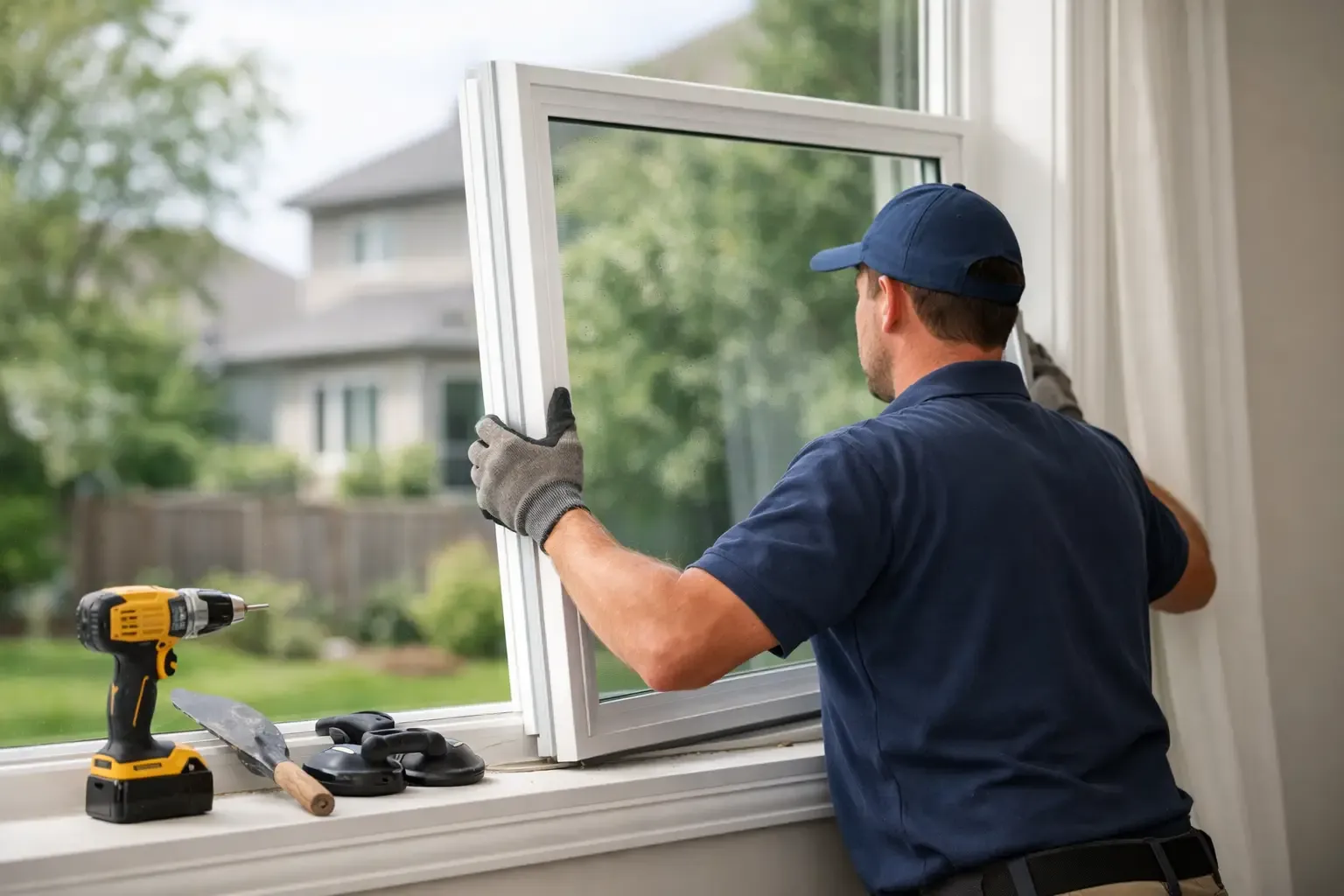
A cold draft beside the sofa, condensation between panes, or a window that needs a firm push to close is more than a minor annoyance. These are often signs that the window is no longer protecting your home as it should. This residential window replacement guide explains how to make a confident decision, from identifying the right time to replace windows to choosing products and installation standards that suit a home in Southern Ontario.
Window replacement is a long-term investment in comfort, energy use, curb appeal, and home value. The lowest price is rarely the full story. A well-made window can still underperform if it is poorly measured, improperly flashed, or installed without attention to insulation and air sealing around the opening.
Know When Window Replacement Makes Sense
Age alone does not determine whether windows need replacement. Some older wood windows can be repaired, while newer low-quality units may fail early. The practical question is whether repairs will solve the problem or simply postpone a larger issue.
Replacement is usually worth considering when you see several persistent problems: drafts around closed windows, fogging or moisture trapped between glass panes, frames that are warped or deteriorating, difficulty opening and locking the sash, or noticeable outside noise and uneven room temperatures. Water staining on interior trim also deserves prompt attention. It may point to a failure in the window, surrounding sealant, wall flashing, or all three.
A single damaged component does not always require a full replacement. For example, a hardware adjustment or exterior caulking repair may help a relatively new, otherwise sound window. But when seals have failed, frames have shifted, or multiple windows are causing comfort problems, replacing them together can provide a more consistent result and simplify the installation schedule.
Set Priorities Before Comparing Window Styles
Homeowners often begin by choosing a style, but performance requirements should come first. Consider where the window is located, how the room is used, which direction it faces, and what frustrates you about the existing unit.
A south- or west-facing room may need glass options that help manage intense summer sun. A bedroom facing a busy street may benefit from a window configuration designed to reduce sound transmission. A bathroom needs ventilation, while a stairwell may need light without an operable sash. These details affect the right product far more than a catalog photo does.
Choose an operating style that fits the room
Casement windows are hinged at the side and crank outward. They offer broad ventilation and can provide a tight seal when closed, making them a common choice for kitchens, bedrooms, and hard-to-reach locations over a counter.
Awning windows hinge at the top and open outward from the bottom. They work well in bathrooms, basements, and areas where you may want ventilation during light rain. Fixed casement and picture windows do not open, but they maximize glass area and are useful where daylight and views matter more than airflow.
Single-hung, double-hung, single-slider, double-slider, and end-vent slider windows can suit rooms with limited exterior clearance. Double-hung and double-slider options offer more flexible ventilation, while specialty shape windows can add character to entryways, gables, and feature walls. The best choice depends on access, ventilation needs, cleaning preferences, and the proportions of the home.
Compare Materials and Glass as One System
The frame, glass package, spacers, weatherstripping, and hardware work together. Focusing on only one feature, such as triple-pane glass, can lead to an expensive choice that does not address the actual source of discomfort.
Vinyl windows are popular because they are low-maintenance, durable, and well suited to Canadian temperature swings when manufactured and installed properly. Fiberglass can offer strong dimensional stability and a more premium look, though costs may be higher. Wood provides traditional character but requires greater maintenance, especially where weather exposure is severe. The right material depends on appearance goals, budget, and the condition of the existing openings.
For glass, look beyond pane count. Low-emissivity coatings help control heat transfer, while argon or other gas fills improve insulation between panes. Double-pane units are appropriate for many homes, but triple-pane glass may be worthwhile for exposed walls, noisy locations, or rooms that stay uncomfortable through winter. It adds weight and cost, so the value depends on the window size, orientation, and overall energy goals.
Ask for clear performance information, including ENERGY STAR compliance where applicable. A qualified professional should explain what the ratings mean for your specific window configuration rather than treating every glass package as interchangeable.
Measure the Opening, Not Just the Old Window
Accurate measurement is where a successful project begins. Replacement windows are custom-made to fit the actual opening, which may not match the visible size of the existing frame. Older homes can have openings that are out of square, unevenly insulated, or affected by past renovations.
A professional site visit should assess more than width and height. It should also account for wall condition, exterior cladding, interior trim, sill slope, water management, structural concerns, and access for installation. This is particularly important when replacing bay windows, large picture windows, or units near brick and stucco.
Be cautious of a quote based only on measurements supplied online or over the phone. It can be useful as a starting budget, but final pricing and scope should be confirmed after an in-person assessment. That protects you from change orders caused by conditions that should have been identified before work begins.
Understand What a Transparent Quote Includes
A clear quote should make it easy to compare contractors without guessing what has been left out. It should identify the window style, frame color, glass option, grids or other custom details, and the number of units being replaced. It should also clarify whether removal, disposal, interior and exterior finishing, capping, insulation, sealing, and permit-related work are included.
Do not compare quotes by the bottom line alone. A lower number may exclude finishing materials, use a different glass package, or assume a basic installation method that does not address the condition of the opening. Ask how the installer handles hidden rot or damaged framing if it is found after the old window is removed. The answer should be direct, including how approval and pricing are handled before additional work proceeds.
Timelines also matter. Custom windows require manufacturing time, and weather can affect exterior work. A reliable contractor will set realistic expectations, communicate scheduling changes promptly, and avoid promising an unusually fast completion date that cannot be supported by product availability and crew capacity.
What Professional Installation Should Look Like
The installation day should be organized, not disruptive. Crews should protect nearby floors and furnishings, remove the old units carefully, inspect the opening, and install the new windows level, plumb, and square. The gap around the frame must be insulated appropriately and sealed to limit air leakage without restricting the window's operation.
Exterior finishing is just as important as the interior appearance. Proper flashing and capping help direct water away from the opening, while clean sealant lines protect vulnerable joints. The exact approach depends on the home's exterior, whether it is brick, siding, stucco, or another material. There is no one-size-fits-all detail that works equally well on every house.
Before the crew leaves, each operable window should open, close, lock, and tilt or crank as designed. Screens, hardware, glass, trim, and exterior finishes should be checked for damage. You should also receive straightforward guidance on cleaning, operating the windows, and making a warranty request if a concern appears later.
Plan for Value Beyond the Purchase Price
New windows can improve comfort quickly, but the financial return varies. Energy savings depend on the condition of the old windows, local utility costs, insulation levels, and how the home is heated and cooled. The strongest value often comes from a combination of lower drafts, fewer moisture concerns, better appearance, easier operation, and confidence that the home is protected during harsh weather.
For homeowners replacing several units, prioritizing the most exposed, damaged, or uncomfortable windows can be sensible when budgeting requires a phased project. On the other hand, replacing all windows at once may create a more uniform appearance and reduce repeated setup, finishing, and disruption. A trusted contractor should be willing to discuss both options honestly.
ProPlas approaches window replacement as a managed home improvement project, with custom product selection, professional measurement, installation, and warranty support. The goal is not simply to install new glass. It is to leave your home quieter, more comfortable, and ready for the seasons ahead.
Before approving any project, take time to review the scope, product details, and installation plan in writing. The right replacement windows should feel like a practical improvement every time the temperature changes, the wind picks up, or you settle into a room that finally feels comfortable.