
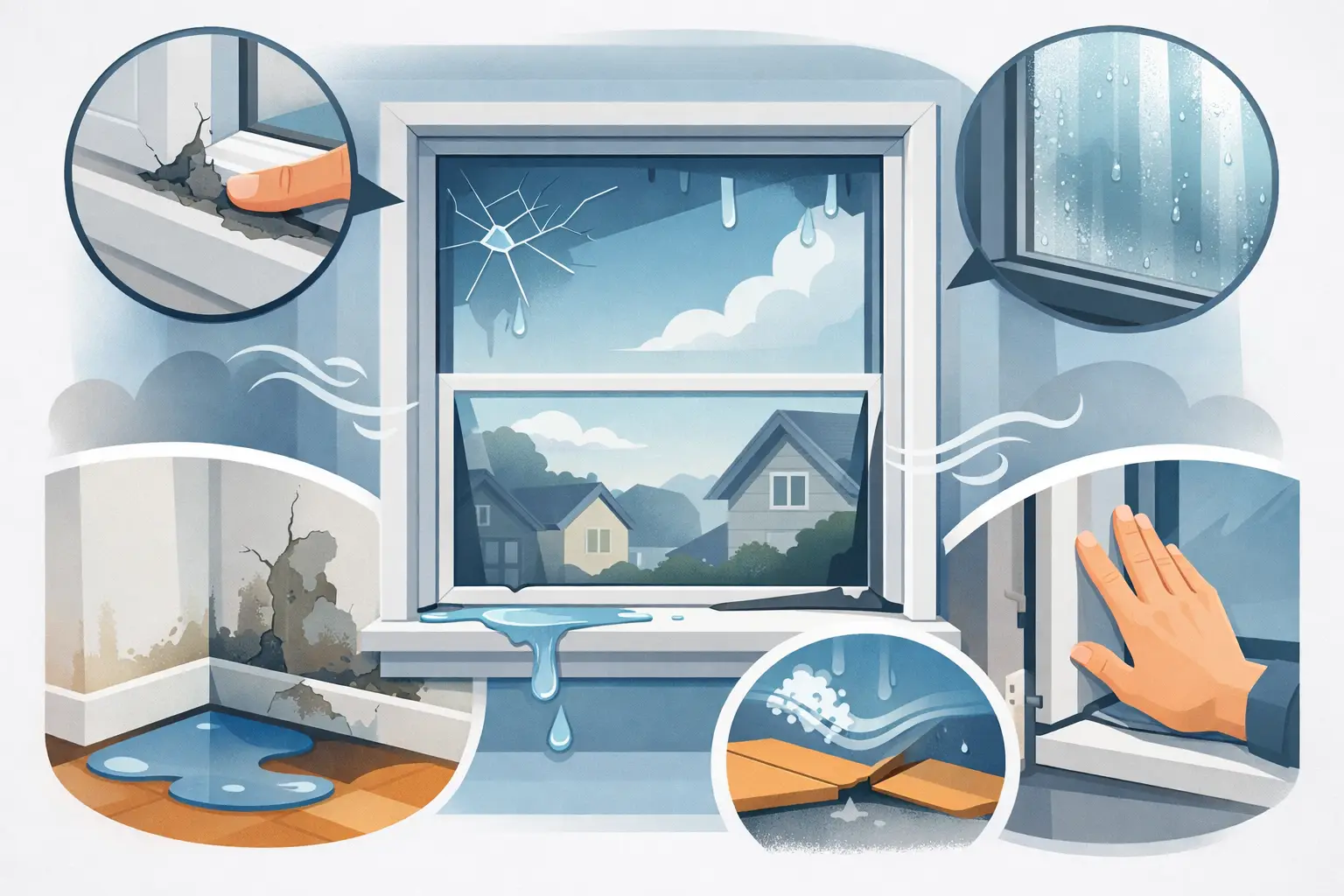
A new window should make a room feel quieter, steadier, and more comfortable almost right away. If it looks new but still lets in drafts, moisture, or outside noise, those are often early signs of poor window installation – and they should not be ignored.
For homeowners, this is where frustration usually starts. The product gets blamed first, but in many cases the window itself is not the main problem. Even a high-quality unit can underperform if it was measured incorrectly, set out of square, insulated poorly, or sealed with shortcuts. In a climate with heat, humidity, rain, snow, and freeze-thaw cycles, small installation errors tend to show up fast.
Why poor installation causes bigger problems
A window is not just glass in a frame. It is part of the building envelope, which means it has to manage air movement, water, insulation, and structural fit all at once. When one part of that system is off, the effects spread. You may notice a cold bedroom, rising energy bills, condensation where it should not be, or trim that starts pulling away from the wall.
This is also why some issues seem minor at first. A tiny gap around a frame may not look urgent, but that gap can let in moisture, weaken insulation performance, and gradually damage surrounding materials. What starts as an annoyance can turn into drywall repairs, trim replacement, or even rot if left too long.
1. Drafts around the window
A properly installed replacement window should not feel breezy when it is closed and locked. If you stand near the frame on a cold or windy day and feel moving air, something is likely wrong with the fit, insulation, or perimeter sealing.
Not every draft means the whole window is defective. Sometimes the sash is not adjusted correctly. In other cases, the rough opening was not insulated properly, or the exterior caulking was applied poorly. The point is simple: a new window should help stabilize indoor comfort, not make you reach for a blanket.
2. Water leaks during or after rain
Water around a window is one of the clearest signs of poor window installation. You might see droplets on the sill after rainfall, staining on nearby drywall, peeling paint, or dampness around the trim.
This can happen when flashing details are missed, sealant is incomplete, or the window is not integrated properly with the surrounding wall. Sometimes the problem is not obvious from the inside right away. Moisture may sit behind trim or in the wall cavity before visible damage appears. That is one reason leaks should be checked quickly, even if they seem minor.
3. Condensation where it should not be
Condensation is one of those issues that depends on where it appears. Moisture on the interior side of the glass can sometimes be related to indoor humidity levels, especially in winter. But condensation between panes usually points to a failed sealed unit, and persistent moisture around the frame or interior trim may suggest air leakage or poor insulation at installation.
If the window area feels colder than the rest of the room, condensation often follows. Warm indoor air hits those colder surfaces and turns to moisture. In that case, installation quality may be part of the problem even if the glass itself is still intact.
4. Windows that stick, jam, or will not lock easily
A new window should open, close, and lock without a struggle. If the sash rubs, the hardware feels forced, or the lock does not line up cleanly, the unit may have been installed out of level, out of plumb, or out of square.
This is not just an inconvenience. Poor alignment puts stress on moving parts and weatherstripping, which can shorten the life of the window. It can also create security concerns if the lock never engages the way it should. Seasonal movement in a home can affect operation a bit, but a brand-new installation should not feel like a fight from day one.
5. Gaps in trim, caulking, or finishing
Clean finishing matters because it often reveals what happened underneath. If you see uneven trim lines, visible gaps, messy caulking, or areas that look rushed, it is worth taking a closer look.
Cosmetic imperfections do not always mean structural problems, but they can be a warning sign. Installers who cut corners on visible finishing may also have taken shortcuts with insulation, fasteners, or exterior sealing. Good workmanship usually looks consistent both inside and out.
6. Outside noise still sounds too loud
New windows will not make a home silent, especially if you live near traffic or busy streets. Still, you should usually notice some reduction in noise when windows are replaced properly.
If outside sound seems almost unchanged, poor sealing may be part of the issue. Air leaks and installation gaps often carry noise along with temperature loss. This is one of the most overlooked signs because homeowners may assume sound control depends only on the glass package. In reality, installation quality plays a major role.
7. Rising energy bills after replacement
Most homeowners replace old windows because they want better comfort and better efficiency. If heating and cooling costs continue climbing without another clear explanation, the installation deserves a second look.
To be fair, utility costs depend on many factors, including insulation levels, HVAC performance, weather, and usage habits. But if a major window replacement was supposed to improve efficiency and the house still feels uneven from room to room, poor air sealing or incomplete insulation around the openings may be undercutting the result.
8. Visible frame bowing or uneven sightlines
Step back and look at the window from inside. Do the lines look straight? Is the frame even? Are the reveal gaps consistent around the sash? If not, the unit may have been forced into an opening that was measured incorrectly or shimmed poorly.
This kind of problem may be subtle at first. Homeowners often notice that something looks off before they can explain it. Over time, the visual issue can become a performance issue as hardware strains, seals compress unevenly, and operation gets worse.
9. Damage around the surrounding wall
One of the last signs to appear is damage beyond the window itself. Soft drywall, stained trim, bubbling paint, swollen casing, or moldy smells near the opening can all point to ongoing moisture intrusion or air leakage.
By the time this happens, the installation problem has usually been present for a while. That does not always mean the full wall system is compromised, but it does mean the issue should be assessed before repairs become more invasive and expensive.
What causes these signs of poor window installation?
Most installation failures come down to a few common issues: inaccurate measurements, poor preparation of the opening, inadequate insulation, weak sealing, or lack of attention to leveling and fastening. Sometimes the crew moves too quickly. Sometimes the contractor relies on a one-size-fits-all approach for homes that need custom adjustment.
Older homes can make installation more complicated too. Openings may be out of square, framing may have shifted over time, and hidden water damage may only become visible once the old unit is removed. That is why experienced installation matters so much. A good process accounts for real site conditions instead of pretending every opening is simple.
How to respond if you notice a problem
Start by documenting what you see. Take photos of leaks, gaps, staining, condensation patterns, or finish problems. Note when the issue happens – during heavy rain, on cold mornings, or when temperatures swing. Details help separate a one-time event from a repeatable installation fault.
Then contact the installer promptly. A dependable company should inspect the issue, explain what is happening in plain language, and outline the remedy without dodging responsibility. If the response is vague or delayed, that is often a warning sign of a weak after-sales process.
In some cases, the fix is straightforward, such as adjusting the sash, improving perimeter sealing, or redoing exterior caulking. In others, the window may need to be removed and reinstalled correctly. That is the frustrating scenario homeowners want to avoid, which is why choosing a company with a strong installation standard and warranty support matters just as much as choosing the window itself.
For homeowners planning a replacement, this is the bigger lesson. Product quality matters, but workmanship is what determines whether that product performs the way it should. Companies like ProPlas build trust by managing the full process carefully, from measurement to installation to follow-up support, because that is what protects comfort and long-term value.
If something feels off after a window replacement, trust that instinct. A well-installed window should not need excuses, and the sooner a problem is addressed, the easier it usually is to fix.