
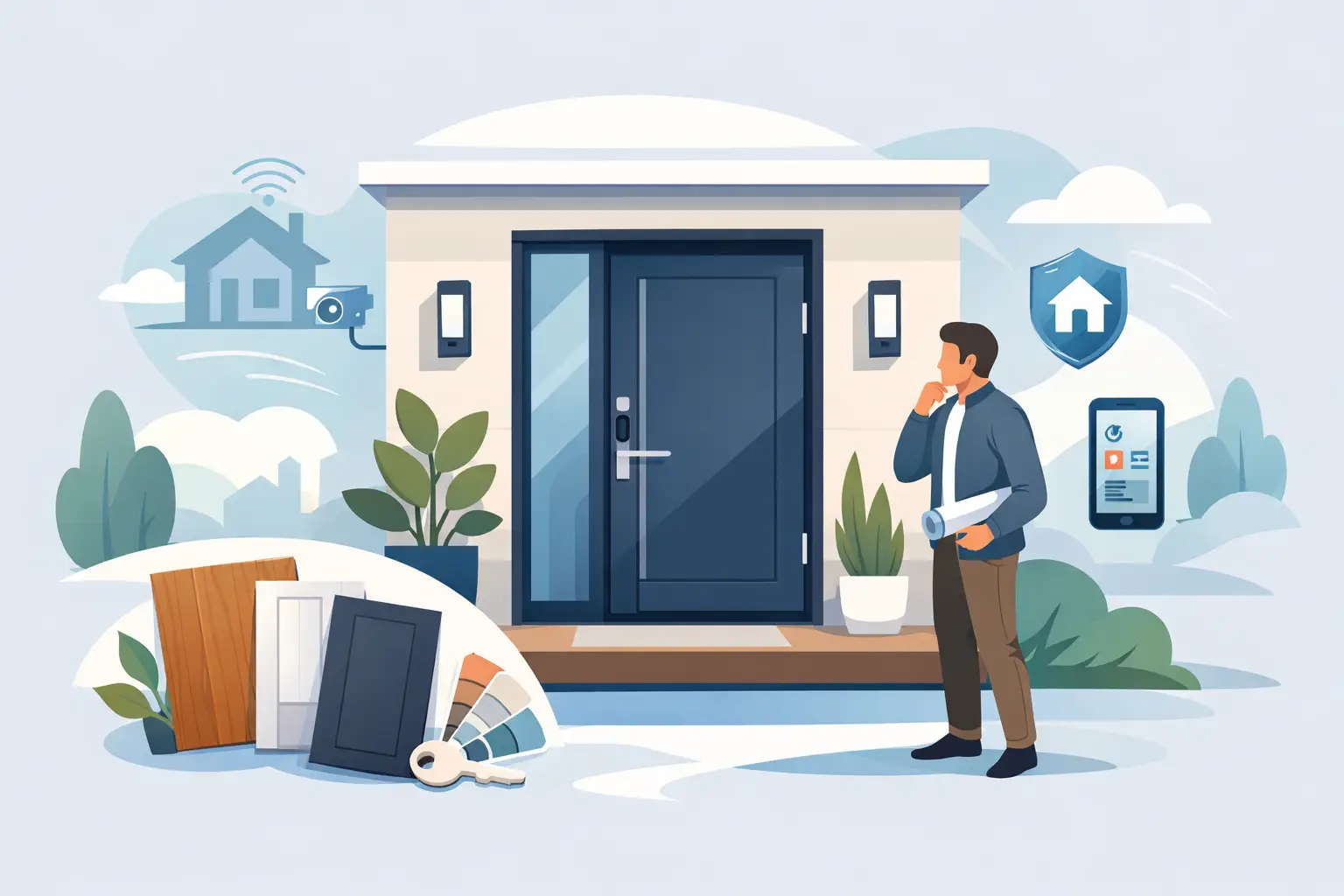
A front door can look great in a showroom and still be the wrong choice for your house. That usually happens when homeowners focus on style first and only ask about insulation, security, maintenance, and installation after the order is placed. This front door buying guide is built to help you avoid that mistake and make a decision that holds up in real life, especially in cold winters, hot summers, and the day-to-day wear that entry doors take.
What a front door needs to do
Your front door is part curb appeal, part security system, and part building envelope. If one of those pieces is weak, you feel it. Drafts near the entry, swelling in humid weather, fading finish, poor locking performance, and glass that makes the foyer too hot or too cold are all signs that the wrong door was chosen or the right door was installed poorly.
That is why price alone is a poor shortcut. A lower upfront number can turn into higher energy loss, more maintenance, and earlier replacement. On the other hand, the most expensive option is not automatically the best fit either. The right choice depends on your opening, exposure to weather, design goals, and how long you plan to stay in the home.
Front door buying guide: start with material
The biggest decision is usually the door slab material. For most replacement projects, the real comparison comes down to steel versus fiberglass.
Steel doors are a practical choice for homeowners who want strong security, good value, and a clean, dependable finish. They tend to perform well when properly insulated and correctly installed. They are also widely available in many styles and price points. The trade-off is that steel can dent, and if the finish is damaged and left exposed, rust can become a problem over time.
Fiberglass doors are often the better fit for homeowners who want durability with less maintenance. They resist warping, handle moisture well, and can convincingly mimic wood grain without the upkeep that real wood demands. In many cases, fiberglass is the better long-term option for harsh weather exposure. The trade-off is price. A fiberglass system often costs more than a comparable steel unit.
Wood doors still appeal to homeowners who want a traditional or high-end custom look, but they are rarely the easiest ownership experience. Wood can be beautiful, but it requires more attention and is generally less forgiving in changing weather. For buyers who want performance first and fewer future headaches, steel and fiberglass usually make more sense.
When steel makes sense
Steel is often a strong choice for standard front entries where security, energy efficiency, and budget all matter. If the design is straightforward and the home needs a reliable upgrade without moving into premium pricing, steel often checks the right boxes.
When fiberglass is worth the extra cost
Fiberglass earns its keep when the door faces strong sun, moisture, temperature swings, or frequent use. It is also a smart option when you want a more upscale style without taking on the maintenance of wood.
Glass changes more than appearance
Many homeowners choose decorative glass based on looks, then realize later that privacy or energy performance was overlooked. Glass can brighten an entry and improve the appearance of the whole front elevation, but it also changes how the door performs.
If privacy is important, full clear glass may not be ideal, especially on homes close to the street or neighboring properties. Frosted, textured, or patterned glass can bring in light without putting your entry on display. If security is the concern, the question is less about avoiding glass altogether and more about choosing the right configuration and locking setup.
Energy performance matters too. Larger glass areas can reduce insulation value compared with a solid slab, although modern glass packages are far better than older ones. This is where product quality matters. Energy-efficient glass, quality seals, and proper manufacturing make a noticeable difference in comfort.
Side lites and transoms can create a more open, upscale look, but they also expand the size and cost of the door system. They work best when they fit the architecture of the house and the entry has enough space to support them properly.
Pay attention to the frame, not just the door
A good front door is not just a slab with hinges. The frame, sill, weatherstripping, glass inserts, multipoint hardware, and installation details all affect the result. Homeowners sometimes compare quotes by door style alone and miss the fact that one proposal includes a stronger system while another keeps the number low by cutting corners around the frame or installation scope.
Ask what is being replaced. In some projects, a full-frame replacement is the better route because it addresses age, drafts, water intrusion, or structural wear around the opening. In others, the existing frame may still be serviceable. It depends on the condition of the entry and what the installer finds during measurement.
This is one of the biggest reasons accurate site assessment matters. A front entry is not a stock product that should be guessed at from a brochure.
Security should be practical, not performative
Most homeowners want a front door that feels secure, but not every security feature adds equal value. The basics still matter most: a solid door material, reinforced frame, quality lockset, secure strike plate, and precise installation. If the frame is weak or the door is misaligned, premium hardware alone will not solve the problem.
Multipoint locking systems can be a worthwhile upgrade on some doors because they improve compression and security at several points along the frame. They can also help with sealing performance. Whether they are necessary depends on the door style, the size of the slab, and your priorities.
If your current door sticks, rattles, or shows daylight around the edges, that is already a security and performance issue. Replacement should solve both.
Style matters, but fit matters more
Your front door should suit the architecture of the house. A modern flush design can look sharp on the right home and completely out of place on another. The same is true of heavily decorative panels, bold colors, and ornate glass.
A good rule is to start with the house, not the catalog. Look at the roofline, exterior materials, window style, and scale of the front elevation. The best door choices usually feel consistent with the home rather than trying to overpower it.
Color also deserves careful thought. Black, white, charcoal, and stained wood looks remain popular because they are flexible and hold up visually. Brighter colors can work well, but only when they are intentional and supported by the rest of the exterior.
Installation quality is where many projects go wrong
A well-made door can still underperform if the opening is measured incorrectly or the installation is rushed. Air leaks, water infiltration, lock issues, uneven margins, and premature wear often come back to workmanship rather than the product itself.
That is why managed installation matters. Professional measurement, product selection based on the actual home, transparent scope of work, and proper finishing details reduce the chance of expensive callbacks later. For homeowners who want fewer surprises, this part of the purchase should carry as much weight as the door style itself.
A dependable contractor should explain timelines clearly, confirm what is included in the quote, and stand behind both product and labor. If warranty terms sound vague before the project starts, they usually will not get clearer after installation.
How to compare quotes in a front door buying guide
When quotes come in far apart, there is usually a reason. Sometimes it is materials. Sometimes it is the glass package, hardware, finish, frame scope, or installation quality. Sometimes one quote is simply incomplete.
Look beyond the headline number. Ask what brand or manufacturer is being used, what insulation or energy features are included, whether the frame is being replaced, what customization options are part of the price, and how warranty coverage is handled. A transparent quote should make these details clear without forcing you to chase for answers.
This is where working with an experienced company can save time and frustration. A provider like ProPlas, which handles measurement, customization, installation, and support, gives homeowners a clearer path than piecing the project together through multiple vendors.
The best choice is the one that fits your home and your priorities
If you want value and strength, steel may be the right move. If you want long-term durability with a premium look and lower maintenance, fiberglass may justify the extra spend. If you want more light, glass can improve the entry dramatically, but privacy and energy performance still need to be part of the conversation.
A front door is not a purchase you should have to revisit in a few years because of avoidable mistakes. The right decision comes from balancing design, weather performance, security, and installation quality from the start. When those pieces line up, the result is not just a better-looking entrance. It is a home that feels more comfortable, more secure, and easier to trust every time you walk through the door.