
Double-pane glazing
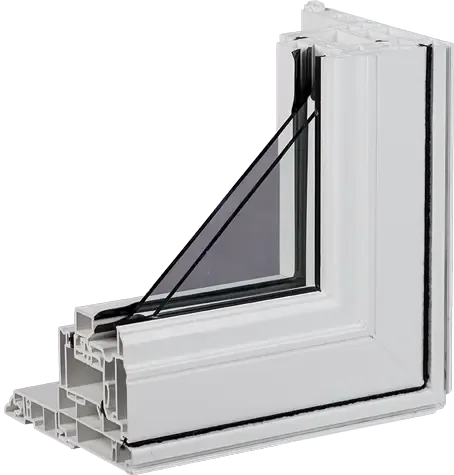
Two sheets of glass are sealed around a spacer, creating an insulating space between them.
Window options
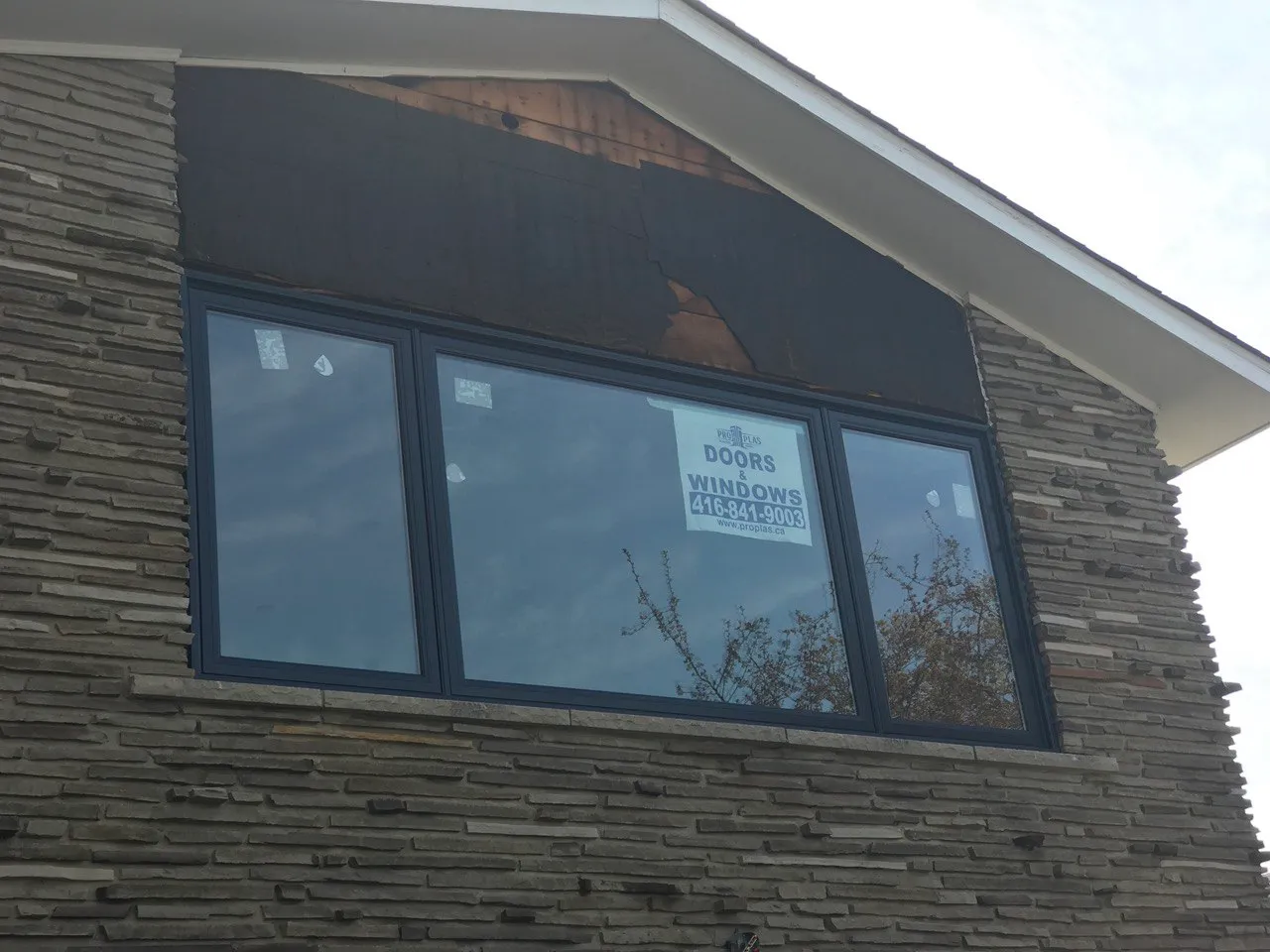
Compare glass, frame colours, grilles, and finishing details before choosing your replacement windows. Available combinations vary by window style and opening.
Choosing options
The opening and operating style set the foundation. Glass, colours, grilles, and trim complete the window.
The way a window opens, its size, and its shape affect which glass and finish choices are available.
Consider the view, how easy the window is to reach, nearby finishes, and how the room is used.
Not every colour, grille, or glass package is available with every window style.
Before ordering, review the glass, frame colour, grille, trim, and installation details together.
Glazing
The number of panes, coatings, spacers, and gas fills all form part of the sealed glass unit. We can explain which combinations are available for your windows.
Two sheets of glass are sealed around a spacer, creating an insulating space between them.
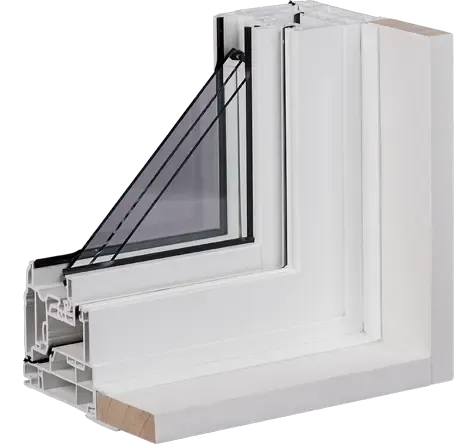
Three sheets of glass create two sealed insulating spaces. Compare the added weight, cost, and comfort benefits for your home.
Clear glass provides an untreated view. Low-E glass adds a nearly invisible coating that helps control heat transfer while allowing daylight through; available coatings depend on the glass package.
The spacer holds the panes apart around the edge of the sealed glass unit. Warm-edge spacer materials are intended to reduce heat transfer at that edge, while the complete edge-seal construction helps keep the unit sealed.
Ask which spacer system is included and how it forms part of the sealed glass unit.
Some sealed glass units replace ordinary air between the panes with an insulating gas. The proposal should identify the glass package and fill actually included.
Frame and material overview
Frame depth and shape affect the amount of visible glass, the interior finish, and how the window fits the opening. Operating windows also need hardware suited to their size and use.
Look at interior and exterior frame colours beside the surrounding trim, brick, or siding. The installation method can also change which finishing pieces are needed.
Appearance
Frame colours should work with both the room and the exterior. Grilles can add a traditional or architectural pattern to the glass.
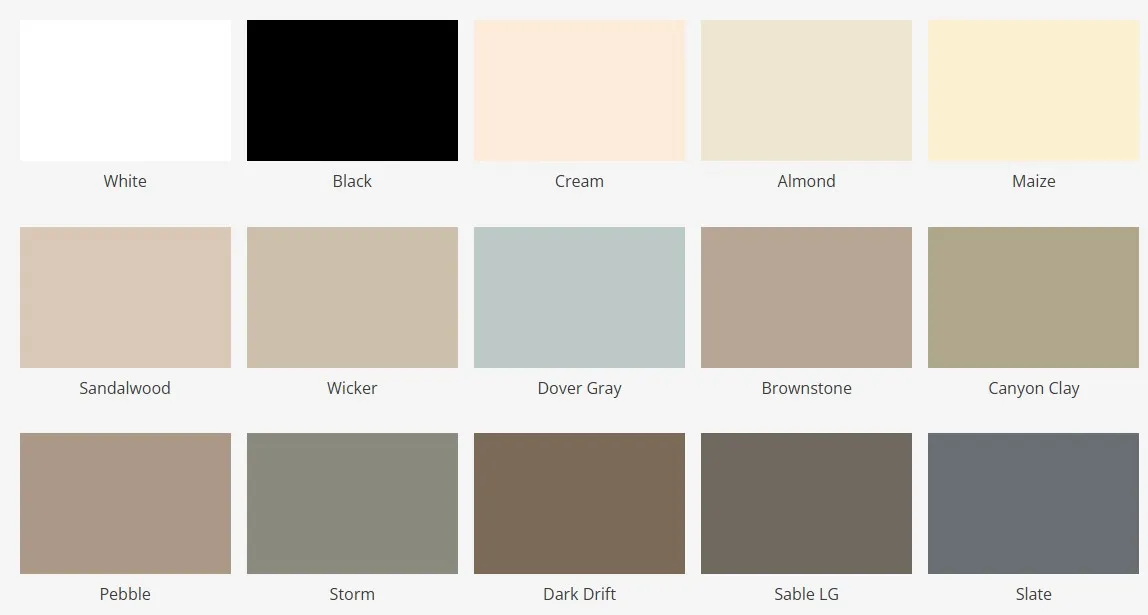
Choose frame colours and finishes for the interior, exterior, or both sides of the window. Solid colours, painted finishes and wood-look choices vary by window system.
Compare interior and exterior colours in the light where they will be seen.
Decorative grille patterns create the look of divided panes without changing how the window opens. Pattern, bar profile, colour and placement are separate choices.
Choose a pattern and placement that suits the window size and the style of the home.


Complete the opening
These pieces finish the transition between the new window and the wall. What you need depends on the existing opening and the installation method.
Opening detail
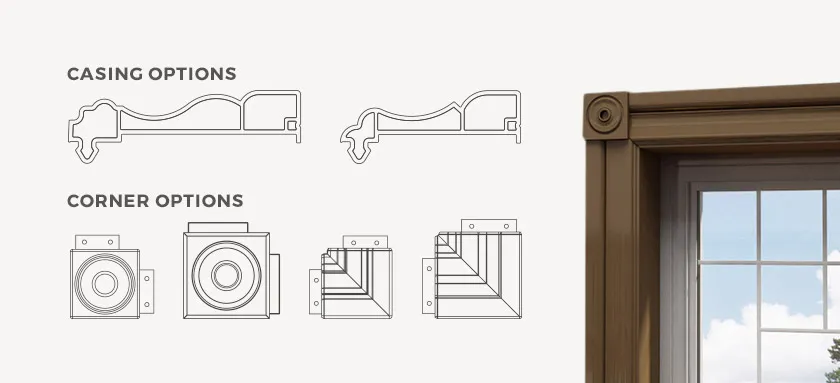
Interior casing is the visible trim that covers the joint between the window and the finished wall. Profiles and decorative corner blocks or rosettes may be available with selected finishing packages.
Opening detail
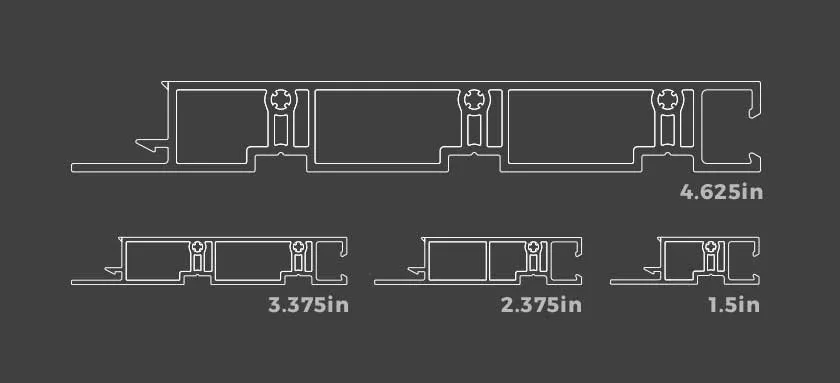
Jamb extensions finish the sides, top, and bottom of a deeper window opening. The required depth is measured for the wall and interior finish at each opening.
Opening detail
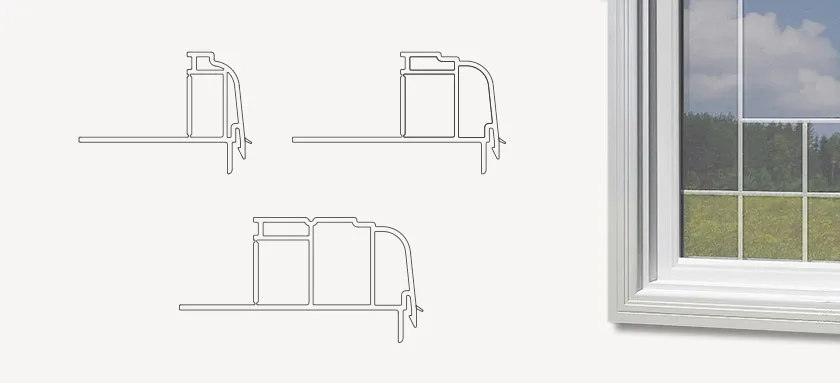
Brickmould is exterior trim that frames the window and covers the joint beside brick or siding. Profile and colour are coordinated with the installation method and exterior finish.
Retrofit, brick-to-brick, and stud-to-stud replacements affect how much of the existing frame and trim remains.
Condensation and care
Where moisture appears matters: room-side condensation often relates to indoor humidity, exterior condensation can occur with weather changes, and moisture between panes can point to a failed seal.
These details help identify whether the moisture is related to indoor conditions, outdoor weather, or the sealed glass unit.
For misting inside an existing sealed unit, read about foggy glass and sealed-unit replacement.
Compare styles
Start with the operating style that suits the room, then compare the glass and finishing choices available with it.
Window option questions
These answers cover two common questions about glazing and condensation.
Triple-pane glass adds another pane and sealed space, but it also adds weight and cost. The better choice depends on the window model, opening, room, and comfort priorities.
Room-side condensation often relates to indoor humidity and outdoor temperature. Exterior condensation can occur during weather changes. Moisture between the panes may point to a failed glass-unit seal.