
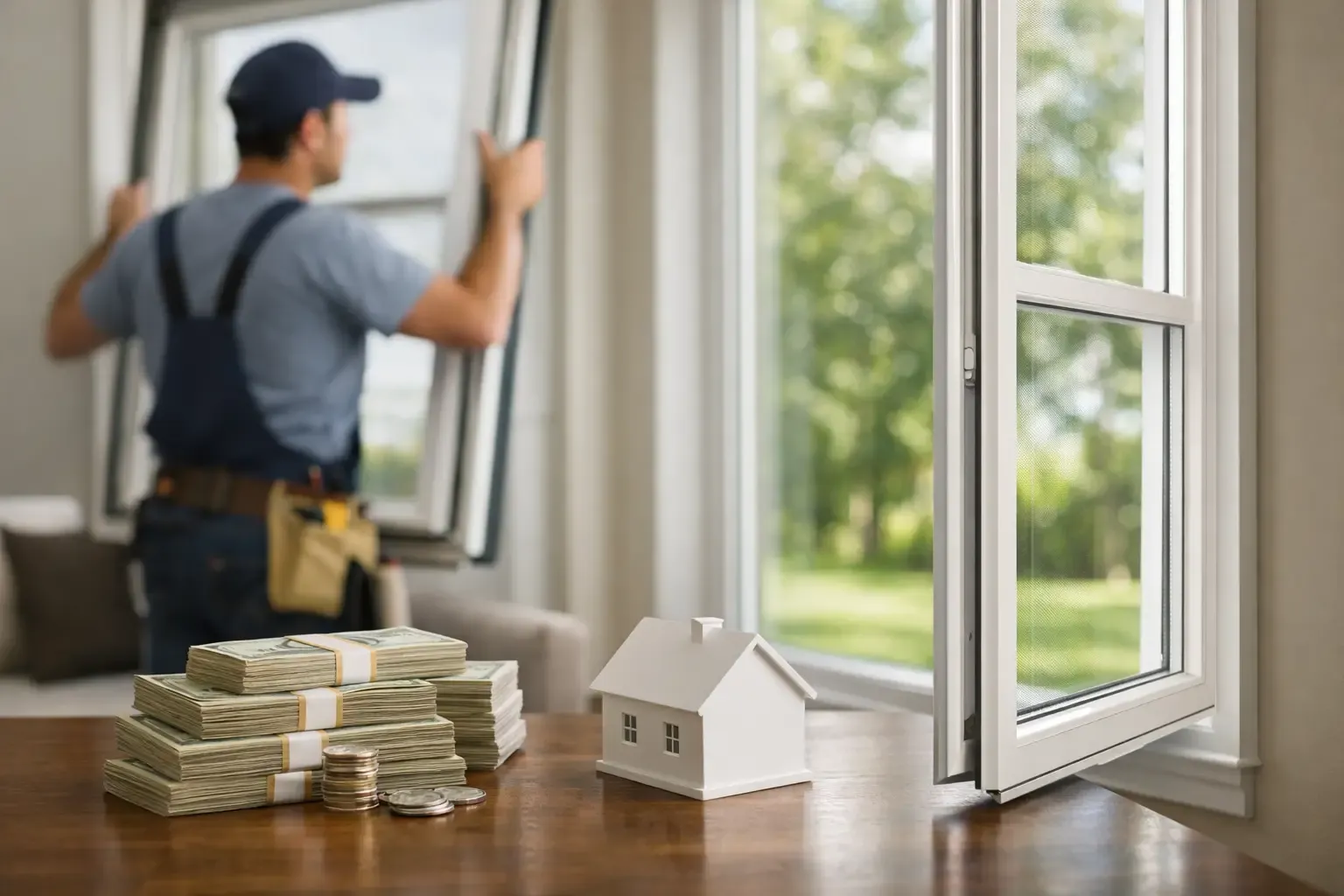
A lot of homeowners start thinking about replacement windows after one annoying winter morning - cold air near the sofa, condensation on the glass, and a heating system that never seems to stop running. By that point, the issue is usually bigger than comfort. Older windows can quietly drain energy, reduce curb appeal, and create ongoing maintenance problems that cost more over time.
The challenge is that replacing windows is not a small cosmetic update. It is a major home decision, and the wrong product or installer can leave you with the same problems in a more expensive package. That is why it helps to look past showroom language and focus on what actually affects performance, lifespan, and value.
What replacement windows should solve
Good windows should do more than look new. They should make the home feel more stable from room to room, reduce outside noise, improve efficiency, and operate properly year after year. If your current windows stick, leak air, show moisture between panes, or have frames that are rotting or warping, replacement is usually the practical fix.
That said, not every home needs the same solution. A front-facing living room with heavy sun exposure has different needs than a shaded bedroom or a bathroom that deals with high humidity. The best results come from matching the window style and glass package to the space, not from choosing one model for the entire house just because it is popular.
Signs it is time to replace your windows
Some warning signs are obvious. Broken seals, cracked glass, water infiltration, and difficult operation are all clear indicators. Others are easier to overlook because they build slowly.
If your energy bills keep climbing without a major change in usage, your windows may be part of the problem. If you feel drafts even when the windows are locked, the frame or installation may no longer be performing properly. Fading furniture, recurring condensation, and noticeable outdoor noise can also point to aging or underperforming units.
In many homes, the issue is not just the glass. Frames, hardware, weatherstripping, and the connection between the window and the wall all matter. That is one reason piecemeal repairs sometimes stop making sense. At a certain stage, replacement is simply the more reliable long-term investment.
Choosing the right replacement windows for your home
Window selection should start with function. Appearance matters, but the window still has to suit the room, the wall opening, and the way you use the space every day.
Casement windows are a strong choice when ventilation matters. They open outward and tend to seal tightly when closed, which can help with efficiency. Awning windows work well in areas where you want airflow even during light rain. Hung windows can suit more traditional home styles, while sliders are practical in spaces where an outward-opening sash would get in the way.
Picture and fixed windows are often chosen for light and views, but because they do not open, they usually need to be balanced with ventilation elsewhere in the room. Specialty shapes can add character, but they also need careful measuring and manufacturing to avoid delays or fit issues.
This is where homeowners often run into a common mistake: choosing based on price alone. The least expensive option can look fine on paper, but weaker frames, lower-grade hardware, and poor installation standards tend to show up later. A window is only as good as its fit, finish, and long-term reliability.
Materials, glass, and efficiency matter more than sales language
Most homeowners are not shopping for technical specifications. They want a house that feels warmer in winter, cooler in summer, and less expensive to maintain. Still, a few performance details are worth paying attention to.
Frame quality matters because Canadian and northern US weather puts real stress on exterior products. Expansion, contraction, moisture, and repeated freeze-thaw cycles can expose weak construction fast. Vinyl remains a common choice because it is low maintenance and can offer strong insulation when manufactured well. But quality varies, and not all vinyl windows are built to the same standard.
Glass packages also make a major difference. Low-E coatings, insulated glass units, and gas fills can help improve thermal performance. Energy Star compliance is a useful baseline because it gives homeowners a practical way to compare options without relying only on a salesperson's pitch.
There is a trade-off, though. Higher-performance glass can increase upfront cost. In some homes, especially where windows are large or heavily exposed to sun and wind, that upgrade is worth it. In other spaces, a moderate package may be the more sensible value. The right answer depends on the home, not a one-size-fits-all package.
Installation is where many window projects go wrong
A quality product cannot make up for poor installation. This is one of the biggest reasons homeowners get frustrated after investing in new windows. They expected a clear improvement and instead end up dealing with drafts, trim gaps, water issues, or callbacks that drag on for weeks.
Proper installation starts with accurate measurement. That sounds basic, but it affects everything from manufacturing lead times to final sealing and operation. The installer also needs to understand the wall condition, existing framing, insulation needs, and finishing details before the old unit comes out.
Fast service is valuable, but speed should not come at the expense of care. A professional replacement process should include clear measurement, product confirmation, transparent pricing, removal of the old units, proper fit and insulation, clean finishing, and a realistic timeline. If any of that feels vague before the work begins, it usually does not get clearer once the contract is signed.
What transparent pricing really looks like
Homeowners are right to be cautious about quotes that seem unusually low. Window replacement pricing can vary for legitimate reasons, including size, style, glass upgrades, structural conditions, and installation complexity. But unclear estimates often hide future add-ons.
A useful quote should explain what is included, what is customized, what the installation covers, and whether finishing or disposal is part of the price. It should also make warranty terms easy to understand. If you have to guess where extra charges may appear, the quote is not truly transparent.
This is one area where a service-led company stands apart. A well-managed project should feel organized from the first measurement to final installation, with consistent communication and no pressure to make rushed decisions. For homeowners who value peace of mind, that process is just as important as the window itself.
Why customization matters more than many homeowners expect
Replacement windows are not always straightforward swap-outs. Older homes often have non-standard openings, style considerations, and room-specific needs that make custom sizing and design important.
You may want a different grille pattern to match the home's architecture, a privacy glass option in certain rooms, or a configuration that improves airflow in a kitchen or bathroom. Those details are not extras for the sake of appearance. They affect how satisfied you will be with the finished result.
This is especially true for homeowners planning to stay in the house for years. Shortcuts are more tempting when the goal is a quick resale. Long-term owners usually care more about comfort, durability, and having products that still perform properly after multiple seasons.
A better way to judge value
The best replacement windows are not always the cheapest and not always the most expensive. Value comes from the combination of product quality, energy performance, installation skill, warranty support, and how well the finished window suits the home.
That is why experienced homeowners tend to ask different questions. Not just, What does it cost? But also, Who is measuring it? Who is installing it? How will problems be handled later? Are the products proven in this climate? Those questions usually lead to better outcomes than chasing promotional pricing alone.
For homeowners who want a lower-risk process, companies like ProPlas have built their reputation around that full-service approach - measurement, customization, installation, and support handled with clear accountability. That matters because window projects rarely fail on marketing. They fail on follow-through.
If you are considering new windows, the smartest first step is not choosing a style from a brochure. It is making sure the company behind the project can explain what your home needs, what the quote includes, and what happens after installation. When that part is handled properly, the windows do what they are supposed to do: make your home quieter, more comfortable, and easier to live in every day.