

Windows are the single biggest source of thermal leakage in most Canadian homes. Windows account for 25–30% of residential heating and cooling energy loss. That number means your furnace works harder every winter simply because of what your windows are made of and how they are installed. The good news is that specific window features reducing heat loss are well understood, measurable, and available right now. This guide covers the top features, how each one works, and what to prioritise when you are ready to upgrade.
1. Why multi-pane glazing is the foundation of heat retention
Multi-pane glazing is the most direct way to slow heat transfer through glass. A single pane offers almost no resistance to heat flow. Double-pane glass creates one insulating pocket between the panes, and triple-pane glass creates two, which is why triple-pane windows deliver 20–30% better thermal performance than double-pane units.
For Canadian homeowners in colder climates, the Energy Star V7.0 standard requires a U-factor of 0.22 or lower for northern zones. A lower U-factor means less heat escapes. Triple-pane glass is often the only way to meet that threshold.
Key differences between glazing types:
- Single-pane: No insulating air space; highest U-factor; not suitable for Canadian winters
- Double-pane: One insulating pocket; meets most mid-climate Energy Star requirements
- Triple-pane: Two insulating pockets; best windows for insulation in cold climates; payback period of 8–12 years in northern regions
Pro Tip: If you are replacing windows in a home north of Toronto or in any Prairie province, ask specifically for triple-pane glass with a confirmed U-factor at or below 0.22.
2. How inert gas fills improve insulation between panes
The space between panes does more work when it is filled with a dense inert gas rather than plain air. Argon and krypton are the two gases used in energy-efficient windows. Both conduct heat more slowly than air, which reduces the rate at which warmth moves from inside your home to the cold glass surface.
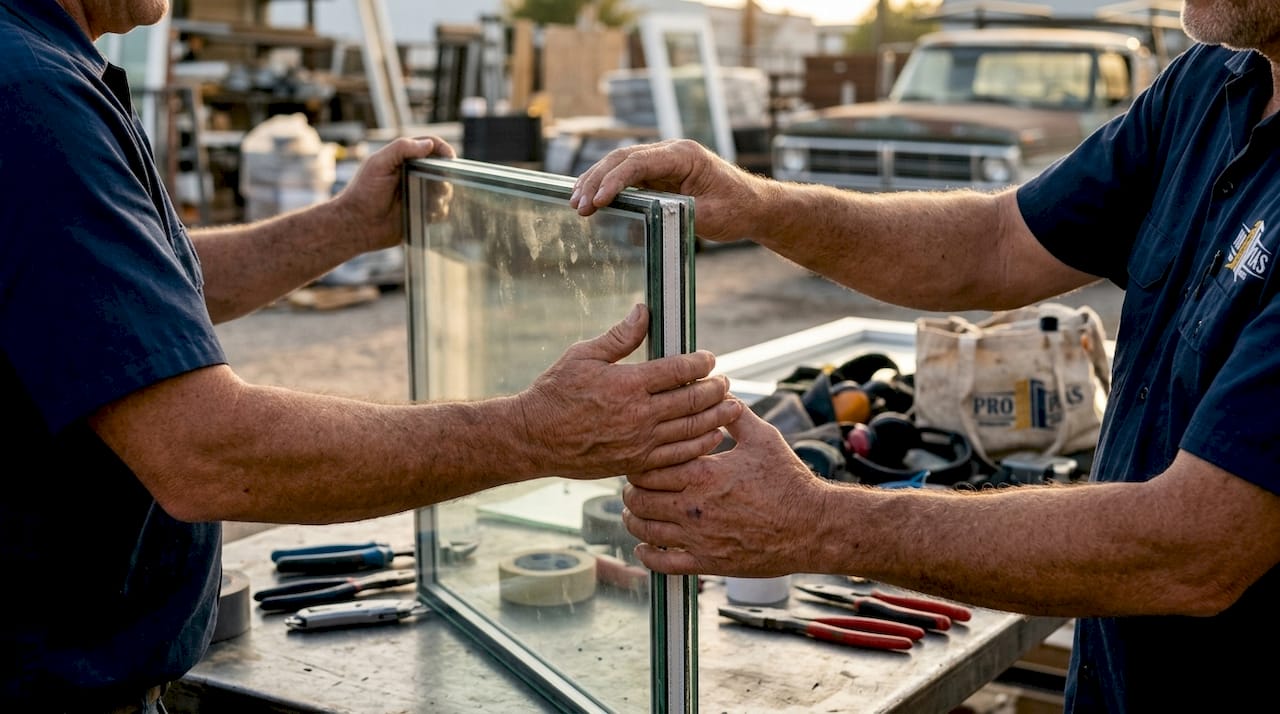
Argon is the standard choice. It is widely available and cost-effective. Krypton is denser and performs better in narrower gaps, making it the preferred fill for triple-pane units where space between panes is limited. The combination of multi-pane glass and an inert gas fill produces a measurably lower U-factor than glass alone.
3. Low-emissivity coatings and how they block radiant heat loss
Low-emissivity glass, known as low-E glass, carries a microscopically thin metallic coating that reflects infrared heat while allowing visible light to pass through. Without this coating, radiant heat from your furnace, radiators, and even your body passes straight through the glass and escapes outside. Low-E coatings redirect that heat back into the room.
There are two main types:
- Hard-coat low-E: Applied during glass production; more durable; better suited to mixed climates where some solar gain is acceptable
- Soft-coat low-E: Applied after production in a vacuum; higher performance; the preferred choice for cold Canadian climates where keeping heat inside is the priority
The Solar Heat Gain Coefficient (SHGC) measures how much solar heat a window lets in. In colder climates, a higher SHGC is often desirable on south-facing windows to capture free solar warmth. On north-facing windows, a lower SHGC with a strong low-E coating keeps heat inside without letting cold radiate in.
Pro Tip: Always check both the U-factor and the SHGC on the NFRC label before purchasing. The right combination depends on which direction your windows face and your climate zone.
4. Insulated window frames and their effect on thermal efficiency
The frame surrounding the glass accounts for a significant portion of total window heat loss. Frame material determines how much heat conducts through the edges and how well the seal holds over time.
| Frame material | Thermal performance | Key advantage |
|---|---|---|
| uPVC | Good | Affordable; low maintenance; widely available |
| Fiberglass | Excellent | Matches glass expansion rate; maintains tight seals |
| Composite | Very good | Combines wood and polymer for stability |
| Wood | Good | Natural insulator; requires maintenance |
| Aluminium | Poor | Conducts heat rapidly; not recommended for cold climates |
Fiberglass frames achieve U-factors as low as 0.15 and hold their shape across temperature swings. Because fiberglass expands and contracts at nearly the same rate as glass, the seal between frame and pane stays tight for decades. That dimensional stability is what separates fiberglass from vinyl over the long term.
Foam-filled frames add another layer of protection. Many uPVC and fiberglass frames now include injected foam insulation inside the hollow chambers of the frame itself. This reduces conductive heat loss through the frame edges, which is a detail that most homeowners overlook when comparing windows.
Pro Tip: When comparing frame options, ask whether the frame chambers are foam-filled. Two frames with the same material can have very different U-factors depending on what is inside them.
5. How proper window installation prevents heat loss
Even the best window technology performs poorly when installation is done carelessly. Poor installation can reduce thermal performance by 10–20%, turning a premium triple-pane window into a source of drafts and energy waste. The gap between the window frame and the rough opening is where most of this failure happens.
Common installation mistakes that reduce thermal performance:
- Leaving gaps around the frame without filling them with professional-grade spray foam
- Using standard caulk alone instead of a combination of foam and flexible sealant
- Failing to flash the exterior properly, allowing moisture and air to infiltrate
- Skipping the interior vapour barrier, which allows warm moist air to reach the cold frame
A properly sealed window installation uses backer rod and low-expansion spray foam to fill the rough opening gap, followed by a flexible exterior sealant rated for Canadian temperature ranges. Proplas completes most installations in as little as three days and backs every job with a lifetime warranty, which means the seal is guaranteed to hold. You can learn more about what to expect in the window installation timeline checklist before your project begins.
6. Warm-edge spacers and why they matter at the glass edge
The spacer is the thin strip that separates the panes of glass around the perimeter of a sealed unit. Traditional aluminium spacers conduct heat rapidly at the glass edge, creating a cold strip around the inside of your window that causes condensation and increases overall heat loss.
Warm-edge spacers made from silicone, foam, or thermoplastics conduct heat far more slowly than aluminium. This reduces the temperature difference at the glass edge, which lowers condensation risk and improves the overall U-factor of the sealed unit. Warm-edge spacers are now standard in Energy Star certified windows, but it is worth confirming the spacer material when you receive a quote.
7. Interior window films as a cost-effective upgrade
Window films are a practical first step for homeowners who are not ready for full replacement. Professional low-E window films reduce heat loss by up to 30% and carry a lifespan of 18–20 years. That is a meaningful improvement for a fraction of the cost of new windows.
Films work by adding a thin reflective layer to existing glass, mimicking some of the benefits of a factory-applied low-E coating. They do not match the performance of a new triple-pane unit, but they are a legitimate bridge measure. Films also reduce cooling costs by 5–15%, making them useful year-round.
8. Cellular blinds and thermal curtains for supplementary insulation
Cellular blinds, also called honeycomb blinds, trap air in their fabric pockets. That trapped air acts as an insulating layer between the cold glass and the warm room. The effect is most noticeable on large windows and patio doors where the glass surface area is greatest.
Thick thermal curtains add a second layer of resistance. Closing them at night, when outdoor temperatures drop and heat loss through glass accelerates, reduces the rate of heat transfer meaningfully. Neither cellular blinds nor thermal curtains replace quality glazing, but they extend the performance of any window system at low cost.
9. Climate-specific window selection and the NFRC label
Installing the wrong window type for your climate zone can increase heat loss rather than reduce it. A window optimised for a hot southern climate has a low SHGC to block solar heat. That same window installed in a cold Canadian home blocks the free solar warmth you actually want in winter.
The National Fenestration Rating Council (NFRC) label on every certified window lists the U-factor, SHGC, visible transmittance, and air leakage rating. Matching those numbers to your climate zone is the single most important step in selecting energy-efficient windows. Energy Star Canada divides the country into climate zones and publishes the required ratings for each. Always confirm your zone before purchasing.
10. Phased upgrades: starting with sealing before full replacement
Full window replacement is not always the right first move. Weatherstripping and window films can reduce heat loss by up to 30% when applied to existing windows in reasonable condition. A phased approach lets you address the worst leaks immediately while budgeting for full replacement over time.
The recommended sequence is: seal gaps and replace weatherstripping first, add window films to single-pane or older double-pane glass second, install cellular blinds or thermal curtains third, and then replace the full window unit when budget allows. This approach delivers real savings at each stage rather than waiting years for a single large investment. A professional energy audit for windows helps you identify which windows to prioritise.
Key takeaways
The most effective approach to reducing heat loss through windows combines multi-pane glazing, low-E coatings, insulated frames, and professional installation, because each feature addresses a different mechanism of heat transfer.
| Point | Details |
|---|---|
| Multi-pane glazing is the priority | Triple-pane glass delivers 20–30% better insulation than double-pane in cold climates. |
| Low-E coatings work on two levels | They block radiant heat loss while still allowing daylight, improving both comfort and efficiency. |
| Frame material affects long-term performance | Fiberglass frames maintain tighter seals over time due to matching glass expansion rates. |
| Installation quality determines real-world results | Poor installation reduces thermal performance by 10–20%, regardless of window quality. |
| Phased upgrades deliver early savings | Films and sealing reduce heat loss by up to 30% before full replacement is needed. |
Proplas’s perspective on choosing the right window features
After 25 years of installing windows across the Toronto area and the GTA, we have seen one pattern repeat itself constantly. Homeowners spend weeks comparing glass specifications and then accept the cheapest installation quote. The window ends up performing well below its rated U-factor because the rough opening was never properly sealed.
The uncomfortable truth about window upgrades is that the frame and the installation matter as much as the glass. A triple-pane window with a foam-filled fiberglass frame, installed with professional-grade spray foam and a proper exterior flash, will outperform a premium glass unit dropped into a poorly sealed opening every single time.
Our advice on budgeting is equally direct. If you cannot afford both the best glass and a professional installation, choose a solid double-pane unit with a quality frame and spend the remaining budget on installation. You will get better real-world results than a triple-pane window installed carelessly.
Climate-specific selection is the other area where we see homeowners make costly mistakes. A window rated for a southern climate installed in a northern Canadian home can actually increase your heating costs by blocking solar gain you need in winter. Always verify the NFRC label against your specific climate zone, not just the Energy Star logo.
— Proplas
Proplas windows: energy-efficient solutions for Canadian homes
Proplas has spent 25 years helping Canadian homeowners choose and install windows that actually perform in cold climates. Every window Proplas supplies is Energy Star certified and matched to your home’s specific climate zone, so you get the right U-factor and SHGC combination from the start.

If you are ready to move beyond films and sealing and invest in a full replacement, the Energy Star replacement windows page explains exactly what certifications to look for and why they matter. For homeowners who want to understand the sealing side first, the guide on why window sealing reduces emissions covers the full process. Proplas installs most projects in as little as three days and backs every installation with a lifetime warranty. Request a quote today and get a transparent price with no hidden fees.
FAQ
What is the most effective window feature for reducing heat loss?
Multi-pane glazing combined with a low-E coating is the most effective combination. Triple-pane windows with argon or krypton fill and a soft-coat low-E layer deliver the lowest U-factors available for residential use.
Does window frame material affect heat loss?
Fiberglass frames achieve U-factors as low as 0.15 and maintain tighter seals over time than aluminium or standard vinyl frames. Frame material accounts for a meaningful share of total window heat loss, particularly at the edges.
How much heat loss can window films reduce?
Professional low-E window films reduce heat loss by up to 30% and have a lifespan of 18–20 years. They are a cost-effective upgrade for existing windows before full replacement.
What is a warm-edge spacer and why does it matter?
A warm-edge spacer separates the panes of a sealed glass unit using silicone, foam, or thermoplastic instead of aluminium. It reduces conductive heat loss at the glass edge and lowers the risk of condensation forming on the interior surface.
How do I know which window is right for my climate zone?
Check the NFRC label for U-factor and Solar Heat Gain Coefficient ratings, then match them to your Energy Star Canada climate zone. Installing a window with the wrong SHGC for your region can increase heat loss rather than reduce it.