
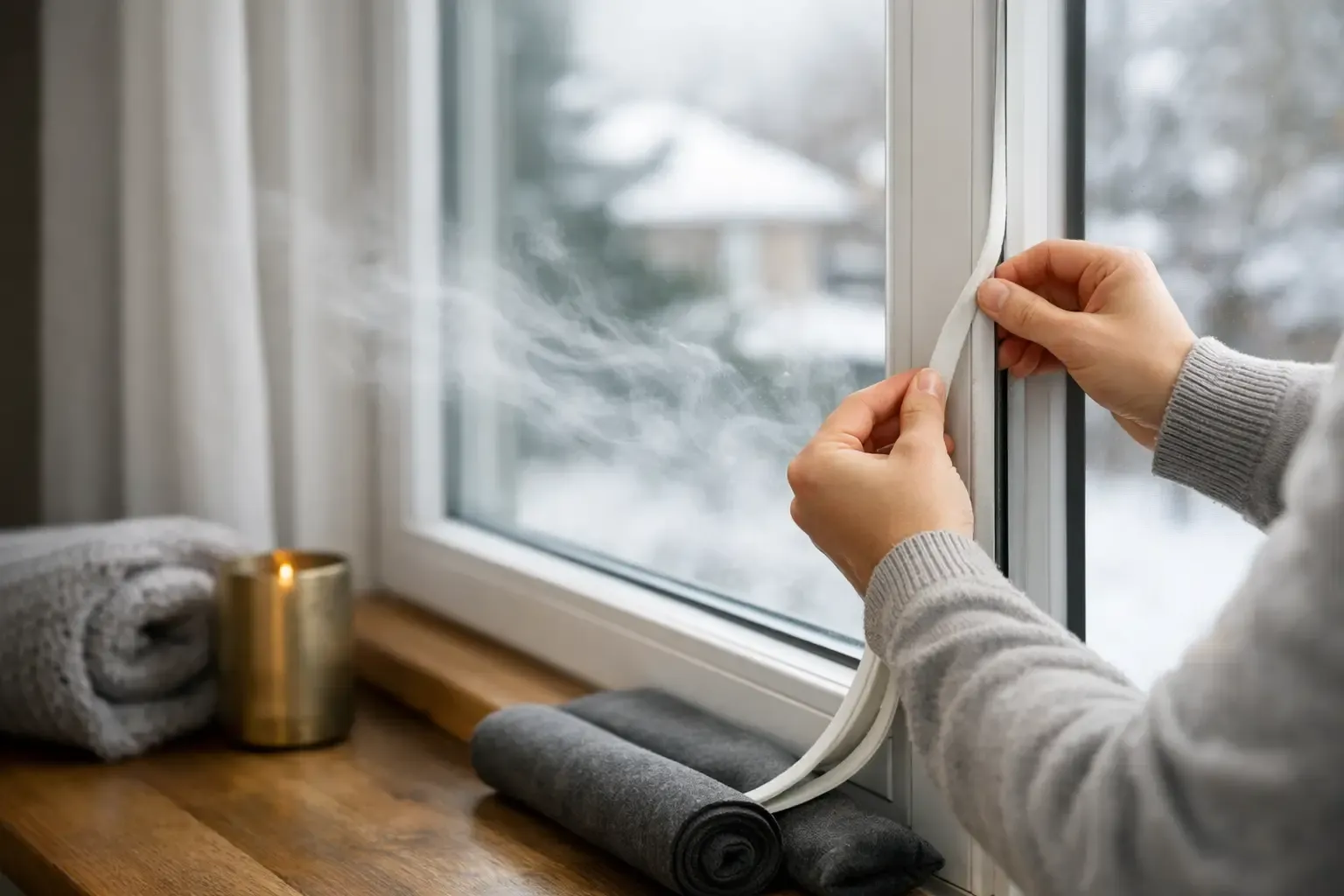
A cold spot beside the sofa, curtains that move when the heat is running, or a room that never seems to reach the thermostat setting are not minor annoyances. They are common signs that outside air is entering around or through your windows. Knowing how to reduce window drafts starts with identifying whether the problem is a small sealing issue or a window system that has reached the end of its service life.
For homeowners in cold-weather regions, drafts can make a home less comfortable, increase heating costs, and put extra strain on the furnace. The right solution depends on where the air is coming from, the age and condition of the window, and whether a repair will actually last.
Find Where the Draft Is Coming From
Not every cold window is a drafty window. Glass naturally feels cooler than an insulated wall in winter, particularly on older double-pane units. A true draft means air is moving through a gap in the window, its frame, or the connection between the frame and the wall.
Start on a windy day. Slowly move your hand around the interior edges of the window: along the sash, near the lock, at the corners, and around the trim. You may feel a noticeable stream of cold air. A smoke pencil or a thin piece of tissue can also reveal air movement, but keep flames away from curtains, blinds, and surrounding materials.
Look for visible clues as well. Gaps in caulking, cracked weatherstripping, loose locks, warped frames, and difficult operation all point to potential leakage. Condensation between glass panes is another concern. It does not necessarily cause a draft on its own, but it often means the insulated glass seal has failed and the window is no longer performing as intended.
The location of the draft matters. Air coming in where the movable sash meets the frame may be addressed with weatherstripping or hardware adjustment. Air entering around the outer frame can indicate failed perimeter caulking or a more significant installation issue. If the wall around the window feels cold or the trim shows staining, the problem may involve missing insulation or moisture damage behind the finish.
How to Reduce Window Drafts With Targeted Repairs
Small, isolated air leaks can often be improved without replacing the entire window. The key is to use the right repair in the right location rather than applying a quick fix everywhere.
Replace worn weatherstripping
Weatherstripping creates the seal between moving parts of a window. Over time, it can flatten, crack, shrink, or pull away from the frame. This is particularly common on older sliding, single-hung, double-hung, and casement windows.
A replacement seal should match the window’s design and leave the sash able to open, close, and lock properly. Adding a thick adhesive strip where it does not belong can prevent the window from closing tightly, creating a new problem instead of solving the old one. If locks no longer pull the sash firmly against the frame, an adjustment may also be needed.
Repair failed caulking around the frame
Exterior-grade caulking helps seal the narrow joint between a window frame and the surrounding exterior finish. When that seal cracks or separates, cold air and water can find a path indoors.
Failed caulking should be removed where practical before new material is applied. Caulking over loose, dirty, or deteriorated material rarely provides a long-term result. The product also needs to suit the exterior surface and local weather exposure. A neat caulk line is not just cosmetic - it is part of the window’s weather barrier.
Interior trim gaps can be sealed as well, but this should not be used to hide an exterior water-management problem. If rainwater is getting behind the frame, the exterior detail needs professional attention first.
Check the sash, hardware, and locks
Casement and awning windows are designed to compress tightly against weatherstripping when closed. If a crank, hinge, or lock is worn, the sash may sit slightly out of position and allow air through. Sliding windows can also develop drafts when rollers wear down and the sash no longer aligns evenly in its track.
A qualified technician can determine whether an adjustment or replacement part will restore the seal. This is often worthwhile when the window is otherwise in good condition and the glass unit, frame, and surrounding installation remain sound.
Use Temporary Measures Wisely
Temporary draft control can make a room more comfortable while you plan a larger repair or replacement. It is best viewed as a short-term measure, not a substitute for correcting a failed window system.
Interior window film kits can reduce air movement and create an insulating pocket of air over the glass. They are useful for older windows during a heating season, though they change the appearance of the window and limit access until removed. Cellular shades and properly fitted curtains can also improve comfort at night, but they should not block heat sources or trap moisture against the glass.
Draft stoppers at the bottom of a window may help in a limited situation, particularly with older sliding units. They will not fix a gap at the sides, top, or frame. Expanding foam, tape, and sealants applied without understanding the window assembly can interfere with drainage paths, damage finishes, or conceal an issue that requires proper repair.
When Draft Repairs Are No Longer Enough
There is a point where repeated caulking and weatherstripping become false economy. If several windows are drafty, the glass is failing, frames are warped, or the windows are nearing the end of their expected life, replacement may offer a more reliable result.
Consider a professional assessment when you notice persistent drafts after repairs, condensation between panes, visible frame damage, water stains, recurring mold near trim, or significant difficulty opening and locking the window. These symptoms may indicate issues that cannot be solved from the interior alone.
Replacement windows should be selected as a complete system, not just a piece of glass. The frame material, glazing package, weather seals, hardware, and installation details all affect performance. Energy-efficient glass can help reduce heat loss, but it cannot compensate for poor fitting or gaps around the rough opening.
For many homes, casement and awning windows offer strong air-sealing performance because their sashes close against compression seals. Fixed picture windows can be highly efficient because they have no moving parts. Sliding and hung windows can also perform well when they are well made, properly installed, and maintained, but their design relies on different sealing methods. The best choice depends on the room, ventilation needs, architectural style, and budget.
Installation Quality Has a Direct Effect on Drafts
Even a high-quality window can feel drafty if it is installed poorly. The installer must create a level, square opening, insulate the space around the frame correctly, apply appropriate exterior flashing and sealing, and ensure the sash operates as designed.
This is why homeowners should ask more than whether a contractor offers an energy-efficient window. Ask how the opening will be measured, how old materials will be removed, how the perimeter will be insulated and sealed, and what warranty covers both the product and workmanship. Clear answers before work begins help prevent surprises after installation.
A proper assessment should also account for the condition of the surrounding wall. In older homes, hidden rot, uneven openings, or insufficient insulation may only become visible once the old window is removed. An experienced installer explains how these findings will be handled rather than treating them as an unexpected extra after the project is underway.
Make Comfort a Long-Term Decision
Reducing window drafts can lower the strain on your heating system, improve room-by-room comfort, and protect the home from moisture-related damage. A small weatherstripping repair may be all that is needed for one window. For an aging group of windows, replacement with properly installed, energy-efficient units is often the more dependable investment.
The most useful next step is not guessing at the cause or covering it with another temporary fix. Have the windows, frames, and surrounding openings evaluated carefully, then choose a repair or replacement plan that will keep your home comfortable through more than one winter.