

Strategic window placement is defined as the deliberate positioning of windows by orientation, height, and size to control solar heat gain, reduce heat loss, and maximise natural light. In Canadian climates, south-facing windows are the foundation of passive solar design, capturing low winter sun while allowing overhangs to block high summer sun. Two key metrics govern every placement decision: the U-factor, which measures heat loss through the glass, and the Solar Heat Gain Coefficient (SHGC), which measures how much solar energy passes through. Getting these window placement energy efficiency tips right from the start saves money on heating and cooling for decades.
1. Why south-facing windows are the cornerstone of energy-efficient placement
South-facing windows are the single most effective tool for passive solar heating in Canadian homes. Passive solar design guides recommend prioritising south-facing glass because low winter sun angles allow sunlight to penetrate deep into a room, warming thermal mass like concrete floors or tile. In summer, the sun sits high in the sky, so a properly sized overhang blocks direct rays without sacrificing winter warmth.
The glazing specs on south-facing windows should reflect this dual role. A higher SHGC, typically in the range of 0.4–0.6, lets in useful winter solar heat. Pair that with a low U-factor to limit overnight heat loss, and you have a window that earns its keep year-round.
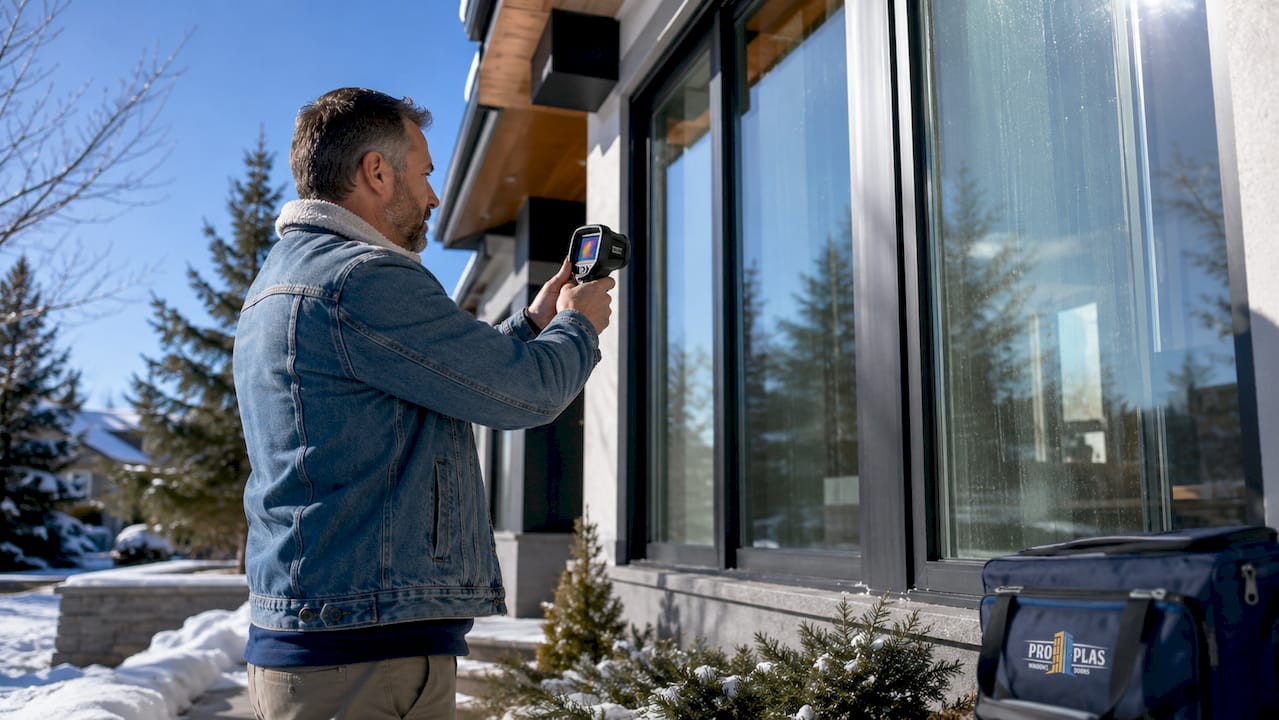
Sizing matters too. Larger south-facing windows increase solar gain, but they also increase heat loss on cold nights. The right balance depends on your climate zone, insulation levels, and whether you have interior thermal mass to store daytime heat.
Pro Tip: Fit a fixed or adjustable overhang above south-facing windows sized to block the summer solstice sun angle for your latitude. This single detail can prevent overheating without any mechanical shading.
- Use a higher SHGC glazing on south-facing windows for winter solar gain.
- Size overhangs based on your latitude’s summer sun angle.
- Choose a low U-factor to limit heat loss on cold Canadian nights.
- Pair south windows with thermal mass flooring to store and release daytime heat.
- Avoid heavy interior curtains on south windows during winter days, as they block free solar heating.
2. How to manage east- and west-facing windows
East and west windows admit low-angle sunlight that horizontal overhangs cannot block effectively. This is the core problem with these orientations. Morning sun from the east is generally manageable, but west-facing windows cause late afternoon overheating and glare that makes rooms uncomfortable, particularly in summer.
The practical solution is to keep east and west window areas smaller than south-facing glass. Vertical shading fins or exterior shutters work far better than overhangs on these walls because they intercept low-angle sun. Landscaping, specifically deciduous trees planted to the west, provides seasonal shading that drops away in winter when you want some passive warmth.
Glazing choice also plays a direct role. A lower SHGC on west-facing windows, typically below 0.3, reduces the amount of afternoon solar heat entering the home. This is one of the clearest examples of how directional glazing specs improve comfort compared to using the same glass on every wall.
Common mistakes and practical fixes for east and west windows:
- Mistake: Large west-facing windows without shading. Fix: Reduce window area or add vertical exterior fins.
- Mistake: Using high-SHGC glass on west walls. Fix: Specify a lower SHGC glazing to cut afternoon heat gain.
- Mistake: Relying on interior blinds to control heat. Fix: Exterior shading blocks heat before it enters the glass, making it far more effective.
- Mistake: Placing bedrooms on the west wall with large windows. Fix: Reserve west walls for garages, utility rooms, or smaller accent windows.
- Mistake: Ignoring landscaping as a shading tool. Fix: Plant deciduous trees on the west side to provide summer shade and winter solar access.
3. The role of north-facing windows in your home
North-facing windows provide consistent, glare-free daylight with no direct solar gain in the Northern Hemisphere. That steady, diffuse light makes them ideal for studios, home offices, kitchens, and any workspace where you need stable illumination without harsh shadows or afternoon glare.
The trade-off is heat loss. North windows receive no direct sun to offset the heat they lose, so glazing performance becomes the critical variable. Triple glazing offers the most noticeable benefit on north-facing surfaces, reducing heat loss and eliminating the cold-wall effect that makes sitting near a large north window uncomfortable in January.
The table below shows how glazing choice affects typical heat loss performance on north-facing windows.
| Glazing type | Typical U-factor | Best use case |
|---|---|---|
| Standard double pane | 2.8–3.2 W/m²K | Mild climates, small north windows |
| Low-e double pane | 1.4–1.8 W/m²K | Most Canadian homes, moderate north exposure |
| Triple pane | 0.6–1.0 W/m²K | Large north windows, cold Canadian climates |
Triple glazing is a targeted tool, not a premium default. It delivers the best value on north-facing and large glass surfaces where heat loss is the dominant concern. On south-facing windows, the solar gain benefit often outweighs the extra insulation of triple pane, so low-e double pane frequently performs just as well at lower cost.
4. How window height and dual-aspect placement improve efficiency
Window head height directly controls how far daylight reaches into a room. Taller windows allow light to penetrate approximately 2–2.5 times the distance from the floor to the top of the glass. A window with a head height of 2.4 metres can daylight a room up to 6 metres deep. A wider but lower window of the same glass area delivers far less depth of penetration.
This matters for energy efficiency because deeper daylight reach reduces the need for artificial lighting during the day. Lighting accounts for a meaningful share of household electricity use, and eliminating it during daylight hours adds up over a year.
Dual-aspect placement, meaning windows on two walls at right angles to each other, is the most effective way to achieve even, glare-free daylight in a room. It eliminates the harsh contrast between a bright window wall and a dark opposite wall, reducing eye fatigue and making spaces feel larger and more comfortable.
Pro Tip: When planning window layout, position the taller windows on the south wall and add a smaller north or east window on an adjacent wall. This combination gives you solar gain plus balanced daylight without glare.
- Higher head heights deliver deeper daylight penetration than wider, lower windows of the same area.
- Dual-aspect windows on adjacent walls eliminate harsh bright-and-dark contrasts.
- Dual-aspect placement also supports cross-ventilation, improving passive cooling in summer.
- Align window placement with furniture layout so thermal mass, like a tiled floor or masonry wall, sits in the path of winter sunlight.
- Avoid placing large windows directly opposite each other, as this creates glare rather than balanced light.
5. Balancing glazing, shading, and orientation for best results
Glazing and shading work best as an integrated system, not as independent choices. Combining moderate glazing with effective exterior shading is often more cost-effective than specifying the most expensive glass without any shading strategy. A mid-range low-e double pane window with a well-designed overhang frequently outperforms a premium triple-pane window with no shading on a south wall.
The right shading type depends on orientation. Horizontal overhangs work well on south-facing windows because the summer sun is high. Vertical fins or exterior shutters suit east and west walls where the sun angle is low. Vegetation, particularly deciduous trees and shrubs, provides a seasonal solution that adapts automatically to the sun’s changing position.
The table below summarises recommended glazing and shading strategies by orientation.
| Orientation | Recommended SHGC | Recommended U-factor | Best shading type |
|---|---|---|---|
| South | 0.4–0.6 | Low (≤1.4 W/m²K) | Horizontal overhang |
| East | 0.25–0.35 | Low to moderate | Vertical fins or trees |
| West | Below 0.3 | Low | Vertical fins, shutters, or trees |
| North | Not critical | Very low (≤1.0 W/m²K) | No shading needed |
Window performance differs by orientation. The same glass installed on a south wall and a west wall will behave very differently in terms of heat gain and comfort. Specifying glazing by orientation rather than using one product throughout the home is the single most impactful upgrade most homeowners can make when planning a window replacement project. For a deeper look at which features reduce heat loss most effectively, the Proplas guide on reducing heat loss covers the key specifications in plain language.
Key takeaways
Strategic window placement combines south-facing orientation, orientation-specific glazing specs, and exterior shading to deliver lasting energy savings and year-round comfort in Canadian homes.
| Point | Details |
|---|---|
| South orientation first | Prioritise south-facing glass with a higher SHGC for controlled passive solar heating. |
| Match glazing to orientation | Use lower SHGC on west walls and a very low U-factor on north-facing windows. |
| Exterior shading outperforms interior | Overhangs and fins block heat before it enters the glass, unlike interior blinds. |
| Window height drives daylight depth | Taller windows penetrate 2–2.5 times their head height into a room, cutting lighting costs. |
| Dual-aspect placement reduces glare | Windows on two adjacent walls create even, comfortable daylight without harsh contrasts. |
What 25 years of window installations taught us about placement
Most homeowners focus on the window itself and overlook the sun. We have seen this pattern repeatedly over 25 years and more than 10,000 installations across the Toronto and GTA area. A homeowner will invest in quality glazing, then position it on a west wall with no shading and wonder why their living room is unbearable by 4 PM in July.
The most common misconception we encounter is that bigger windows always mean better light and lower energy bills. That is only true when orientation and shading are right. A large, unshaded west window is a liability in summer and a heat drain in winter. A well-placed, properly shaded south window of the same size pays for itself in comfort and savings.
Our advice to every homeowner planning a window upgrade is to spend one full day observing where the sun hits each wall before making any decisions. Note the morning position, the midday angle, and the late afternoon direction. That single observation session will tell you more about your home’s solar potential than any specification sheet.
Post-installation, monitor indoor comfort for the first full seasonal cycle. If a room overheats in summer, add exterior shading before replacing the glass. If a north room feels cold near the window, upgrading to triple glazing is the right next step. Placement and glazing work together, and small adjustments after installation often resolve comfort issues without additional expense.
— Proplas
Proplas windows: built for Canadian energy performance
Canadian homes face some of the most demanding climate conditions in the world, and your windows need to match that reality. Proplas has spent 25 years helping homeowners across Toronto and the GTA choose and install windows that are matched to their home’s orientation, climate zone, and energy goals.

Every Proplas installation starts with a clear assessment of your home’s needs, with no hidden fees and no bureaucratic delays. Our Energy Star certified windows are specified by orientation so you get the right glazing on every wall, not a one-size-fits-all product. Installation is typically completed in as little as three days, and every project is backed by a lifetime warranty. If you are ready to put these placement principles into practice, explore our window solutions or request a callback to speak with one of our specialists.
FAQ
What is the best window orientation for energy efficiency in Canada?
South-facing windows are the best orientation for energy efficiency in Canadian homes. They capture low winter sun for passive heating while allowing overhangs to block high summer sun.
Does window size affect energy efficiency?
Yes, larger windows increase both solar gain and heat loss, so size must be balanced with orientation, glazing specs, and shading. Bigger is not always better without the right placement and glass.
What SHGC should I choose for west-facing windows?
Choose an SHGC below 0.3 for west-facing windows to reduce afternoon heat gain and prevent overheating. Pair this with vertical exterior shading for best results.
Is triple glazing worth it for Canadian homes?
Triple glazing delivers the most value on large north-facing windows and in colder Canadian climate zones where heat loss is the primary concern. On south-facing windows, low-e double pane often performs comparably at lower cost.
How does window head height affect natural light?
A higher window head height allows daylight to penetrate approximately 2–2.5 times the floor-to-top-of-glass distance into a room. Taller windows reduce the need for artificial lighting and improve comfort throughout the day.