
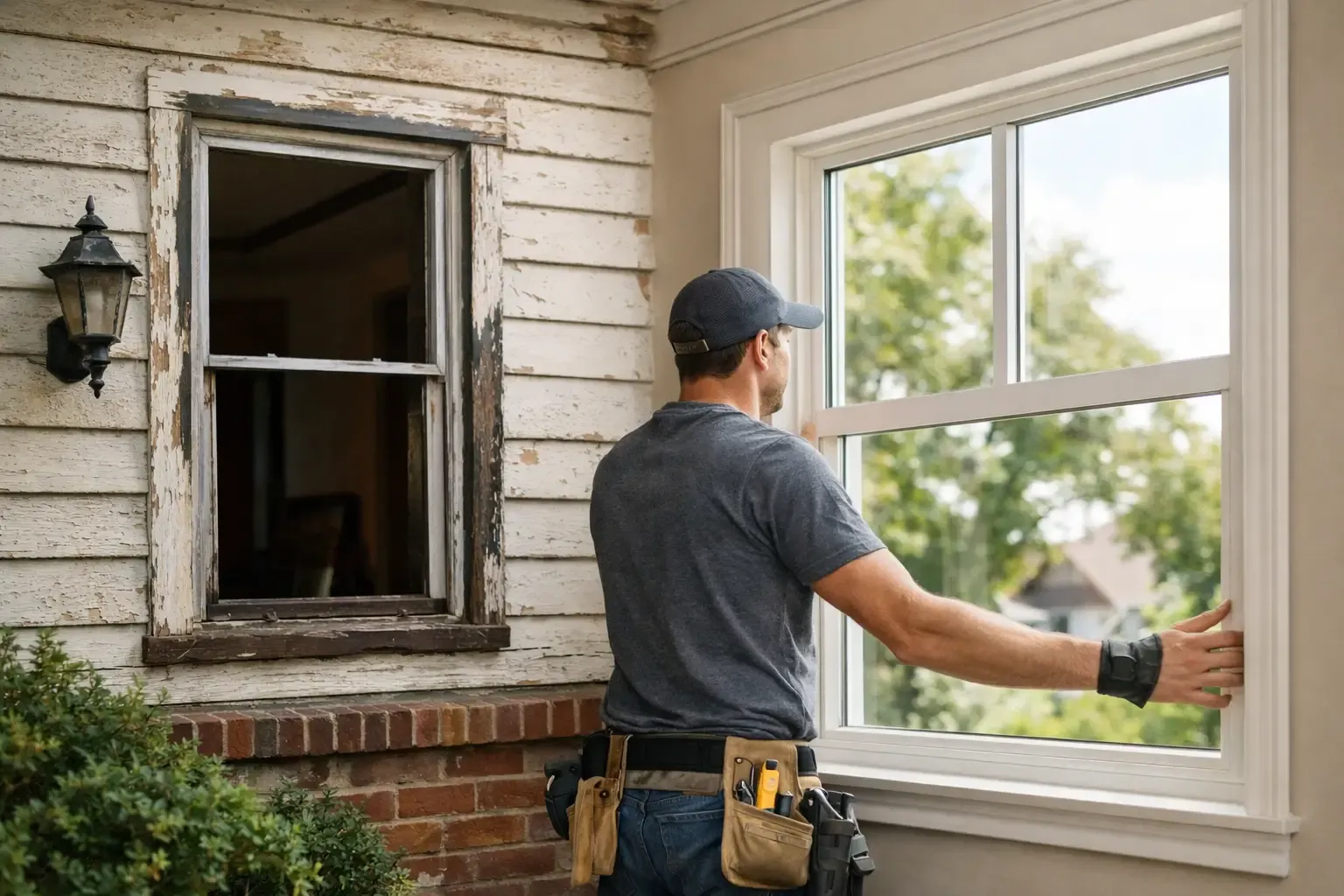
A cold draft beside the sofa, condensation collecting on the glass, or a room that never seems to hold its temperature can turn a small annoyance into a daily frustration. So, are new windows worth it? For many homeowners, the answer is yes - but only when replacement solves a real performance problem and the windows are measured, selected, and installed correctly.
New windows are not a one-size-fits-all purchase. A quality replacement can improve comfort, reduce outside noise, help manage energy use, and refresh a home's appearance. But if the issue is limited to worn weatherstripping, damaged hardware, or a small localized repair, full replacement may not be the most sensible first step.
When Are New Windows Worth It?
Replacement tends to make the most sense when existing windows are failing in ways that affect comfort, safety, operation, or the home itself. Older single-pane windows, poorly sealed units, warped frames, and windows with broken seals often struggle through Southern Ontario's cold winters, humid summers, and changing shoulder seasons.
One of the clearest signs is persistent drafts. If you can feel cold air near a closed window, the problem may be worn seals, gaps around the frame, or an installation issue. On a windy winter day, those gaps can make nearby rooms uncomfortable even when the thermostat is turned up.
Condensation between panes is another strong indicator. Moisture trapped inside insulated glass means the seal has failed. The window may still look intact from a distance, but it has lost much of its insulating value and cannot be restored with a simple cleaning.
Windows that stick, will not lock, or require force to open and close deserve attention as well. This is more than a convenience issue. A window that cannot open properly can limit ventilation and emergency exit options. A window that cannot lock securely may also affect security and allow more air and moisture to enter.
Visible frame deterioration matters, particularly with older wood windows. Soft spots, rot, peeling finishes, and staining around the opening can signal ongoing water exposure. Replacing the window without addressing the source of moisture is not enough, which is why a proper assessment should examine the opening, exterior trim, caulking, and drainage conditions before work begins.
The Benefits Go Beyond Lower Utility Bills
Energy savings are often the first reason homeowners consider replacement, and efficient windows can help reduce heat loss and solar heat gain. Still, it is best to view lower utility costs as part of the return, not the entire return. Savings vary with the age and condition of the current windows, the home's insulation, heating system, exposure to wind, and how many windows are replaced.
The immediate difference is often comfort. Modern Energy Star-compliant windows with insulated glass, quality weather seals, and properly fitted frames can reduce cold spots near exterior walls. Bedrooms, kitchens, and family rooms become easier to use throughout the year instead of feeling noticeably cooler in winter or overheated in direct summer sun.
Noise reduction can be meaningful for homes near busy roads, schools, rail corridors, or active neighborhoods. Glass configuration, air space between panes, frame construction, and a tight installation all affect the result. New windows cannot erase every exterior sound, but they can reduce the amount of traffic and neighborhood noise entering the home.
There is also a practical value in appearance. Faded frames, fogged glass, and mismatched replacement units can make an otherwise well-kept property look tired. Custom sizing, grille patterns, exterior colors, and specialty shapes allow homeowners to preserve the character of an older home while improving performance.
What New Windows Cannot Fix on Their Own
A window replacement project should not be sold as a cure for every draft or moisture issue in a home. If attic insulation is inadequate, exterior walls have air leaks, or the HVAC system is undersized, new windows will not resolve those underlying problems.
Likewise, interior condensation is not always proof that windows have failed. In winter, humid indoor air can condense on even high-quality glass when indoor humidity is too high for outdoor temperatures. Cooking, showers, drying clothes indoors, and limited ventilation all contribute. A qualified installer should explain whether the issue is a failed window unit, a home humidity concern, or a combination of both.
This is why a low price alone is not a reliable basis for comparison. Two quotes may appear similar while including very different products, glass packages, installation methods, exterior finishing, disposal, and warranty coverage. The lowest number can become expensive if it leaves gaps, relies on poor materials, or excludes work that should have been identified at the start.
Installation Determines Whether the Upgrade Performs
Even a high-quality window can underperform if it is installed poorly. The replacement must fit the opening correctly, be level and secure, and be sealed without blocking proper drainage. Gaps around the frame can lead to drafts, water intrusion, and heat loss that undermine the reason for replacing the window in the first place.
A professional process starts with accurate measurements and an honest conversation about the home's needs. The right choice may be a casement window for ventilation, a fixed picture window for a clear view, a double-hung window for a traditional look, or a slider where space is limited. The style should suit how the room is used, not simply what is easiest to order.
Homeowners should also ask what happens if hidden damage is found after the old window is removed. Exterior openings can reveal deteriorated wood, inadequate insulation, or previous repair work. Clear expectations around this possibility help avoid surprises and make the project easier to manage.
At ProPlas, the goal is to make this part straightforward: assess the opening, recommend suitable options, explain the scope clearly, and complete the installation with products built for Canadian weather conditions. A dependable warranty and responsive after-sales support matter because window performance should last well beyond installation day.
How to Decide if Replacement Is the Right Investment
Start by looking at the condition of the windows rather than their age alone. A well-maintained window may not need immediate replacement, while a newer unit with a failed seal or poor installation may need attention sooner.
Then consider the scale of the problem. Replacing every window at once can create a consistent look and may be practical during a larger renovation. Replacing the most damaged or least efficient windows first can also be a reasonable approach when budget timing matters. Bedrooms with severe drafts, front-facing windows exposed to weather, and units with failed glass are often sensible priorities.
It also helps to think about how long you plan to stay in the home. Long-term owners may place more value on daily comfort, durability, reduced maintenance, and energy performance. If you expect to sell in the near future, clean, functional, attractive windows can improve buyer confidence, though replacement should still be planned around genuine need rather than assumed resale payback alone.
Ask for a detailed written quote that identifies the window style, frame material, glass package, installation scope, finishing work, timeline, and warranty. Transparent details make it easier to compare proposals and protect your budget from vague allowances or last-minute additions.
The best time to replace windows is before a small problem becomes water damage, uncomfortable rooms, or an urgent winter repair. If your windows are drafty, fogged, difficult to operate, or visibly deteriorating, an in-home assessment can give you the clarity to invest with confidence rather than guesswork.