
A window can look great in a showroom and still leave a room feeling cold, drafty, or overly sunny after installation. That is why learning how to choose energy star windows means looking beyond the certification sticker. The right replacement windows must suit your climate, the direction each opening faces, your home’s construction, and the quality of the installation.
For homeowners planning a long-term upgrade, ENERGY STAR certification is a useful starting point. It is not a substitute for comparing performance ratings, asking clear questions, and making sure the product will be installed correctly.
How to choose energy star windows: start with the label
ENERGY STAR windows meet defined energy-performance requirements, but those requirements are tied to climate conditions. A window that performs well in a mild area may not be the best fit for a cold winter climate or a home exposed to strong wind.
Ask to see the product’s performance label, not just a general statement that the window is ENERGY STAR compliant. The label provides the numbers needed to compare one complete window system against another. It should reflect the glass, frame, spacers, and sash as a tested unit.
Certification matters because it helps narrow the field. Still, two compliant windows can perform differently. One may prioritize insulation during winter, while another may admit more solar heat and natural light. The best choice depends on where the window is going and what problems you are trying to solve.
Read the ratings that affect comfort
The most useful ratings are not complicated once you know what they measure. They tell you how well a window resists heat loss, manages sunlight, and controls unwanted air movement.
U-factor: lower is better for insulation
U-factor measures how readily heat passes through a window. A lower number means better insulation. In heating-dominant climates, a low U-factor should be a priority, particularly for large window openings, north-facing rooms, bedrooms, and spaces that feel chilly near the glass.
Do not compare center-of-glass values with the U-factor for the whole window. Center-of-glass performance can sound impressive, but the frame and edges of the glass also affect real-world comfort. Request the whole-unit rating so you are making a fair comparison.
Solar heat gain coefficient: match it to exposure
Solar heat gain coefficient, often called SHGC, measures how much solar heat passes through the window. A lower SHGC can reduce overheating and glare on sunny exposures. A higher SHGC can allow beneficial winter warmth into a room.
This is where a one-size-fits-all decision can fall short. West- and south-facing windows with little shade may benefit from lower solar heat gain, especially in rooms that become hot by late afternoon. A shaded north-facing wall may have different needs. Your selections do not have to be identical throughout the house.
Air leakage and condensation resistance
Air leakage ratings indicate how much air can pass through a closed, locked window. Lower air leakage supports comfort and can reduce the drafts homeowners often notice around aging sliders or poorly fitted units.
Condensation resistance can also be worth discussing, especially in homes where winter moisture collects on glass or frames. No rating can eliminate condensation caused by consistently high indoor humidity, but a well-designed, properly installed window helps keep interior glass temperatures warmer. Managing humidity, ventilation, and window coverings remains part of the solution.
Choose glass packages for the room, not the sales pitch
Most energy-efficient replacement windows use insulated glass units with two or three panes, low-emissivity coatings, and sealed air spaces filled with insulating gas. These features work together, but more layers are not automatically the best value for every opening.
Double-pane low-E glass is often a strong choice for standard replacement projects. Triple-pane glass can offer better insulation and a warmer interior glass surface, which may be worthwhile for exposed walls, large windows, or rooms where comfort is the main concern. It also costs more and can add weight, so the frame and operating hardware must be designed to support it properly.
Ask which low-E coating is being used and why. Different coatings balance heat retention, solar control, visible light, and glare differently. Darker rooms may need a package that preserves more daylight, while a bright family room may need more solar control. The goal is comfortable light, not simply the highest specification on paper.
Do not overlook the frame and window style
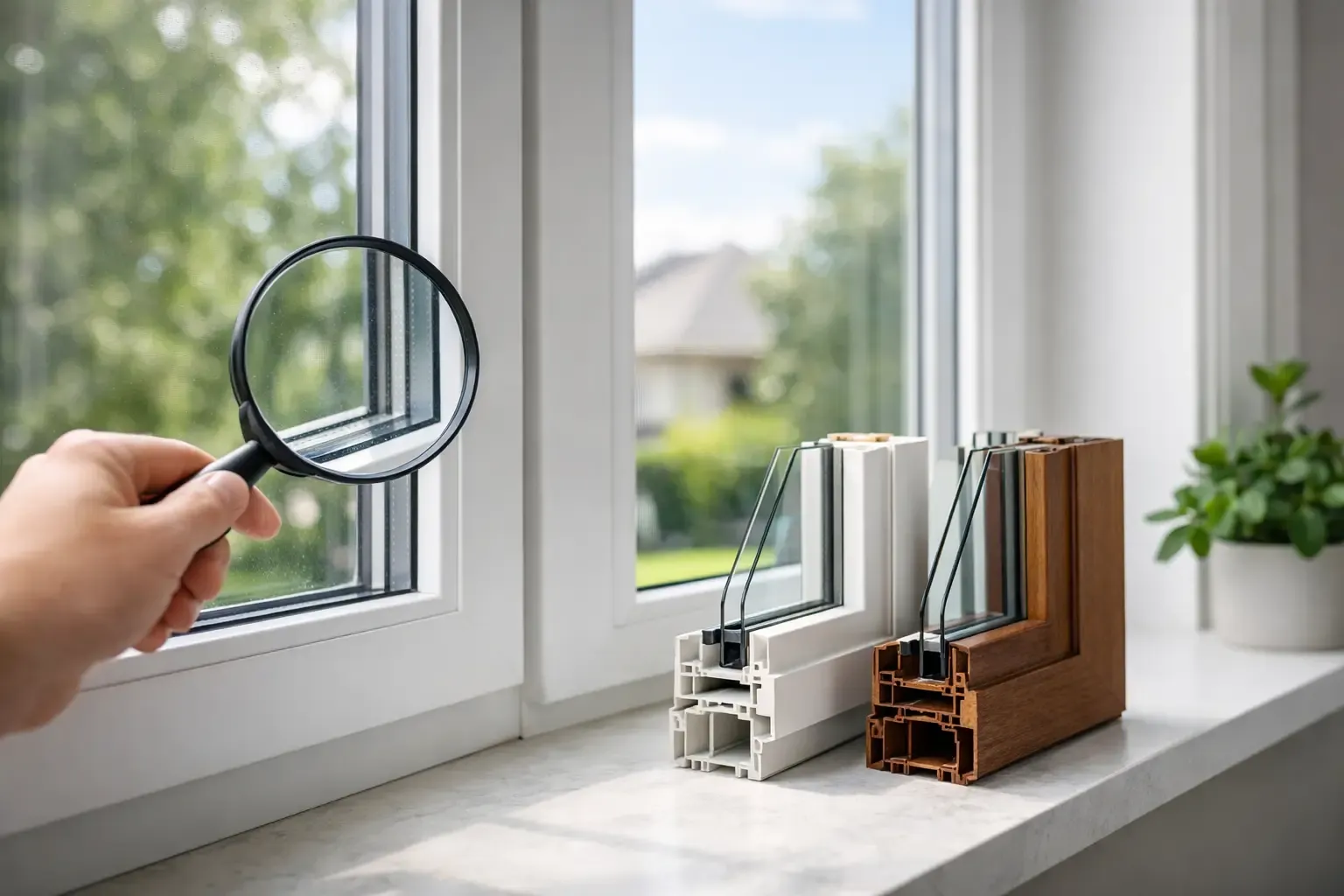
Glass gets most of the attention, but the frame is part of the thermal envelope. A quality vinyl frame with properly engineered chambers can provide dependable insulation, low maintenance, and good value. Fiberglass and other materials may suit certain designs or performance goals, but each option should be evaluated as a complete window, not by material alone.
Window style affects both energy performance and daily use. Casement and awning windows typically close tightly against weatherstripping when locked, making them a practical option where ventilation and a strong seal matter. Fixed picture windows do not open, so they can provide excellent airtightness and unobstructed views. Sliding and hung windows offer familiar operation and flexible design options, but their seals, hardware, and build quality deserve close attention.
Choose a style that makes sense for the room. A window that is difficult to reach, awkward to clean, or unsuitable for emergency egress is not a successful upgrade, no matter how efficient its glass may be.
Treat installation as part of the window purchase
Even an excellent ENERGY STAR window can disappoint if it is measured or installed poorly. Incorrect sizing, gaps around the opening, weak flashing details, or rushed trim work can lead to drafts, water intrusion, and early service issues.
A professional installer should inspect the existing openings before finalizing the order. Older homes may have uneven frames, water damage, structural concerns, or interior and exterior trim details that affect the installation plan. Those conditions should be discussed before work begins, not discovered after the old windows are removed.
Ask how the crew will handle insulation around the frame, exterior sealing, water management, interior finishing, debris removal, and protection of your home during the work. Also confirm who is responsible if an adjustment is needed after installation. A clear answer is more valuable than a vague promise that the job will be “standard.”
Compare proposals on scope, not price alone
The lowest quote can become expensive when key details are missing. A trustworthy proposal makes it easier to see what you are receiving and where any differences between products or installers come from.
Before making a decision, make sure the written quote identifies:
- The window style, size, color, grid pattern, and glass package
- Performance ratings and ENERGY STAR qualification where applicable
- Removal of existing windows and any expected trim or capping work
- Installation, cleanup, timeline, warranty coverage, and payment terms
Be cautious with a quote that lists only a window count and a total price. It leaves too much open to interpretation. You should know whether the price includes the exact configuration you discussed, as well as the labor needed to complete the exterior and interior details properly.
For homeowners in Toronto, the GTA, Simcoe Region, and Southern Ontario, ProPlas can help turn these questions into a clear window plan, from measurement and product selection through installation and after-sales support. The point is not to push a single window package for every house. It is to match the window, glass, and installation approach to the home in front of you.
The best replacement window decision is the one that still feels right on a windy January morning, a bright summer afternoon, and years after the installation crew has left.