
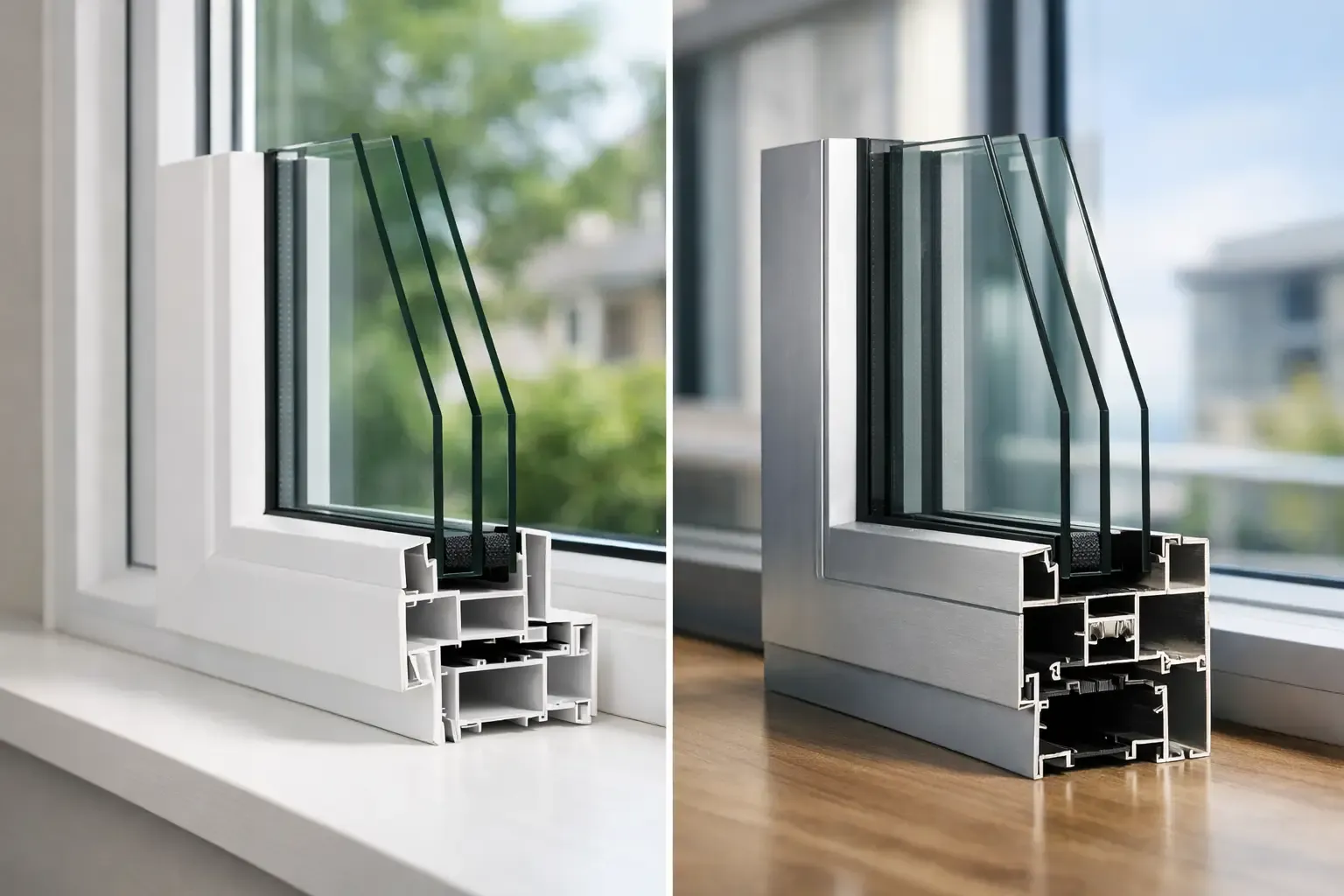
If your current windows are drafty in winter, hot to the touch in summer, or showing their age around the frames, the question usually gets practical fast: vinyl vs aluminum windows - which one makes more sense for your home? For most homeowners, this is not about abstract material preferences. It is about comfort, energy bills, maintenance, appearance, and whether the replacement will still look and perform well years from now.
The honest answer is that both materials have strengths. The better choice depends on your priorities, the style of your home, and how much weight you put on insulation, frame profile, long-term upkeep, and budget. That matters even more in climates with real seasonal swings, where windows are expected to handle heat, cold, moisture, and repeated expansion and contraction without becoming a problem.
Vinyl vs Aluminum Windows: The Biggest Difference
The clearest difference between vinyl and aluminum is thermal performance. Vinyl is naturally a better insulator. Aluminum is a stronger conductor, which means it transfers heat and cold more readily.
That has real consequences inside the home. A vinyl frame generally does a better job helping keep conditioned air in and outdoor temperatures out. In colder months, that can help reduce drafts and make rooms near the windows feel more comfortable. In warmer months, it can also help limit heat gain. If energy efficiency is high on your list, vinyl usually starts with an advantage.
Aluminum frames, by contrast, are known for strength and slimmer sightlines. Because the material is rigid, manufacturers can often create narrower frames with a more contemporary look. That can be appealing if you want larger glass areas and a clean, modern appearance. The trade-off is that standard aluminum does not insulate as effectively as vinyl unless it includes added thermal breaks and upgraded design features.
How Vinyl and Aluminum Perform in Real Homes
For most residential replacement projects, vinyl tends to be the more practical fit. It performs well, needs relatively little maintenance, and generally offers strong value for the money. Homeowners who want dependable comfort without constant upkeep often lean this way for good reason.
Vinyl does not rust, and it does not need repainting the way some other frame materials might. Quality matters here. A well-made vinyl window with proper installation can hold up very well over time. A lower-grade product, on the other hand, may warp, discolor, or age poorly. That is why material alone should never be the only deciding factor. Manufacturing standards and installation quality matter just as much.
Aluminum has a different appeal. It is strong, stable, and often chosen for its modern aesthetic. It can work especially well in designs where slim frames are a priority. In some architectural styles, that visual difference is a major selling point.
Still, aluminum asks you to be more careful about performance expectations. In a residential setting, especially where winters are cold and long, the frame design has to work harder to manage heat transfer and condensation risk. A poorly specified aluminum window can look great on day one and feel less impressive when temperatures drop.
Cost: Upfront Price vs Long-Term Value
When homeowners compare vinyl vs aluminum windows, price is usually close behind performance. In many cases, vinyl windows are more affordable upfront than aluminum. That makes them attractive for full-home replacements, where total project cost matters.
But upfront pricing only tells part of the story. If a window performs better thermally, it may help reduce heating and cooling demand over time. If it needs less maintenance and holds up well, that can also improve long-term value. Vinyl often scores well on this balance, which is one reason it remains a common choice in residential replacement work.
Aluminum can cost more, particularly when you move into higher-performance systems designed to address insulation concerns. That extra cost may be worth it if your main priority is a certain look or if the project calls for larger expanses of glass with slimmer frames. The key is being clear about what you are paying for. If the premium is mainly aesthetic, that should be a deliberate choice, not a surprise discovered after installation.
Appearance and Design Flexibility
This is one area where personal preference matters a great deal. Vinyl windows are available in a wide range of styles, sizes, and finishes, and modern manufacturing has improved their overall appearance significantly. For many homes, they offer more than enough design flexibility without sacrificing function.
That said, vinyl frames are usually thicker than aluminum frames. If you want the narrowest possible lines around the glass, aluminum may be more appealing. This can matter in contemporary homes, renovations with minimalist design goals, or spaces where maximizing visible glass is part of the plan.
The better question is not which material looks better in general. It is which material looks right on your home. A frame that works beautifully on a sleek new build may feel out of place on a traditional detached house, and the reverse is true as well.
Maintenance and Durability
Homeowners replacing windows are usually not looking for a new maintenance routine. They want something that performs reliably and does not become another recurring project.
Vinyl is often favored because it is low maintenance. It does not require repainting, and routine cleaning is usually straightforward. Good vinyl windows are designed to handle normal residential exposure well, though product quality and installation still make a major difference in how they age.
Aluminum is also durable, but the concerns are different. It is resistant to many forms of wear, and its structural strength is a real benefit. At the same time, because metal conducts temperature so easily, condensation can be more noticeable under the wrong conditions. That does not make aluminum a bad product. It simply means the system has to be well engineered for the environment it is going into.
Energy Efficiency and Comfort
If your main frustration with old windows is that certain rooms are always too cold, too warm, or too drafty, this section matters most. Window comfort is not just about the glass. The frame plays a major role.
Vinyl usually performs better as an energy-efficient residential option because the material itself helps resist heat transfer. Combined with quality glass packages and proper installation, that can make a meaningful difference in indoor comfort.
Aluminum can be improved with thermal breaks and better overall construction, but the material starts from a less forgiving position. That means details matter even more. If you are comparing quotes and one aluminum option looks surprisingly inexpensive, it is worth asking what performance features are included and what standards it is designed to meet.
For homeowners who want fewer surprises after installation, this is where transparent product guidance matters. The right recommendation should reflect your climate, your home, and your priorities, not just what happens to be available fastest.
Which One Is Better for Residential Replacement?
For most homes, vinyl is the stronger all-around choice. It tends to offer better insulation, lower maintenance, and better value for the typical homeowner focused on comfort, efficiency, and sensible long-term cost.
Aluminum is usually the more specialized option. It can be the right fit when design calls for slimmer frames, when a specific architectural look matters, or when structural strength is a leading concern. But it should be selected with a clear understanding of the performance trade-offs and with attention to how the window is built, not just what the frame is made from.
That is why material comparisons should never happen in isolation. The better question is not simply vinyl or aluminum. It is which window system is right for your home, your budget, and your expectations five or ten years from now.
A reliable contractor should be able to walk you through those differences clearly, explain where each option makes sense, and give you transparent pricing without pushing you toward the more expensive choice by default. That kind of guidance helps avoid the most common replacement mistake: choosing a window based on appearance or sticker price alone, then regretting the result once the weather changes.
If you are replacing windows in a long-term home, the smartest choice is usually the one that balances efficiency, durability, appearance, and support after the installation is done. For many homeowners, that points to vinyl. For some projects, aluminum still has a place. The key is choosing with the full picture in view, so your new windows solve problems instead of creating new ones.